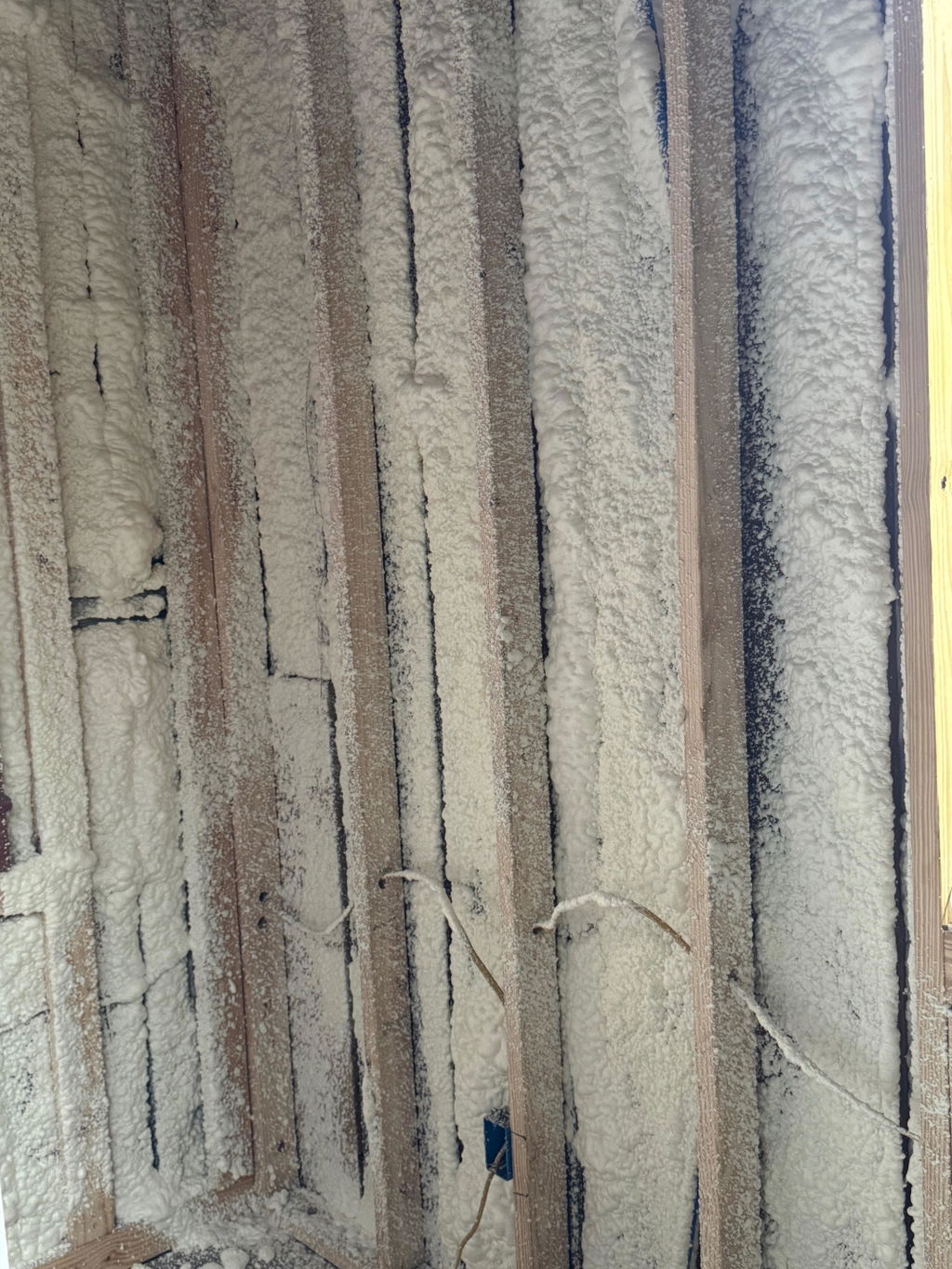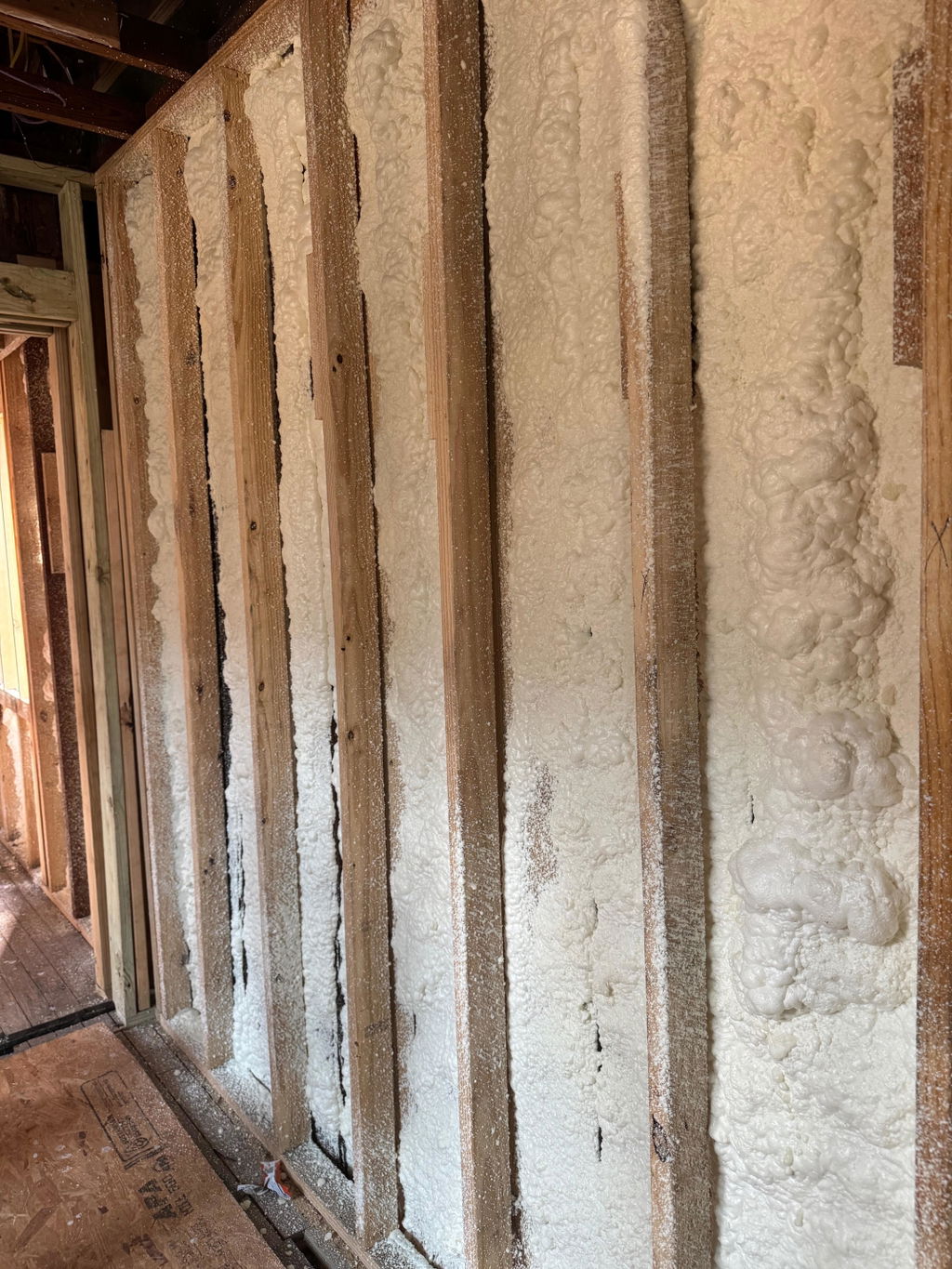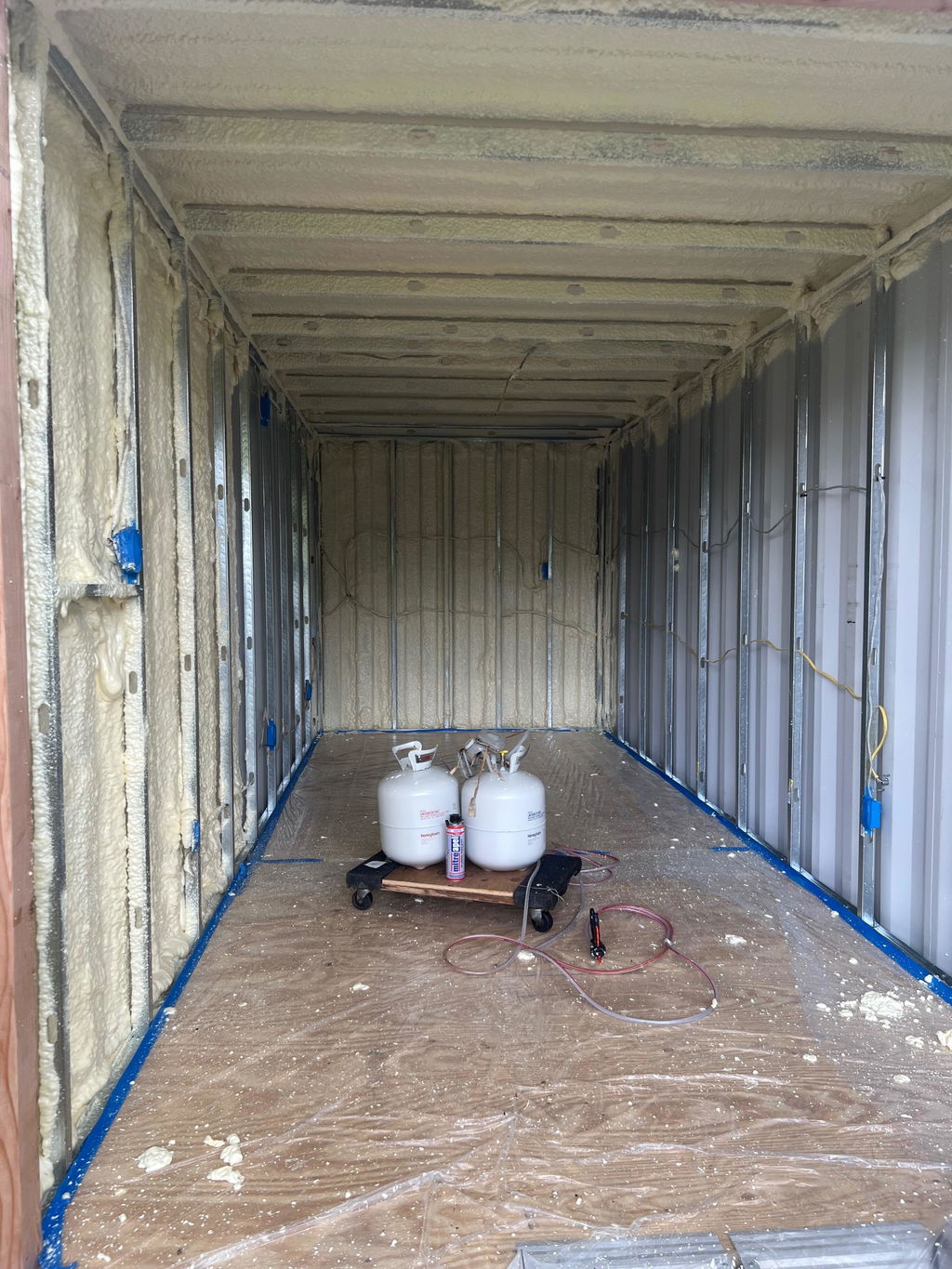
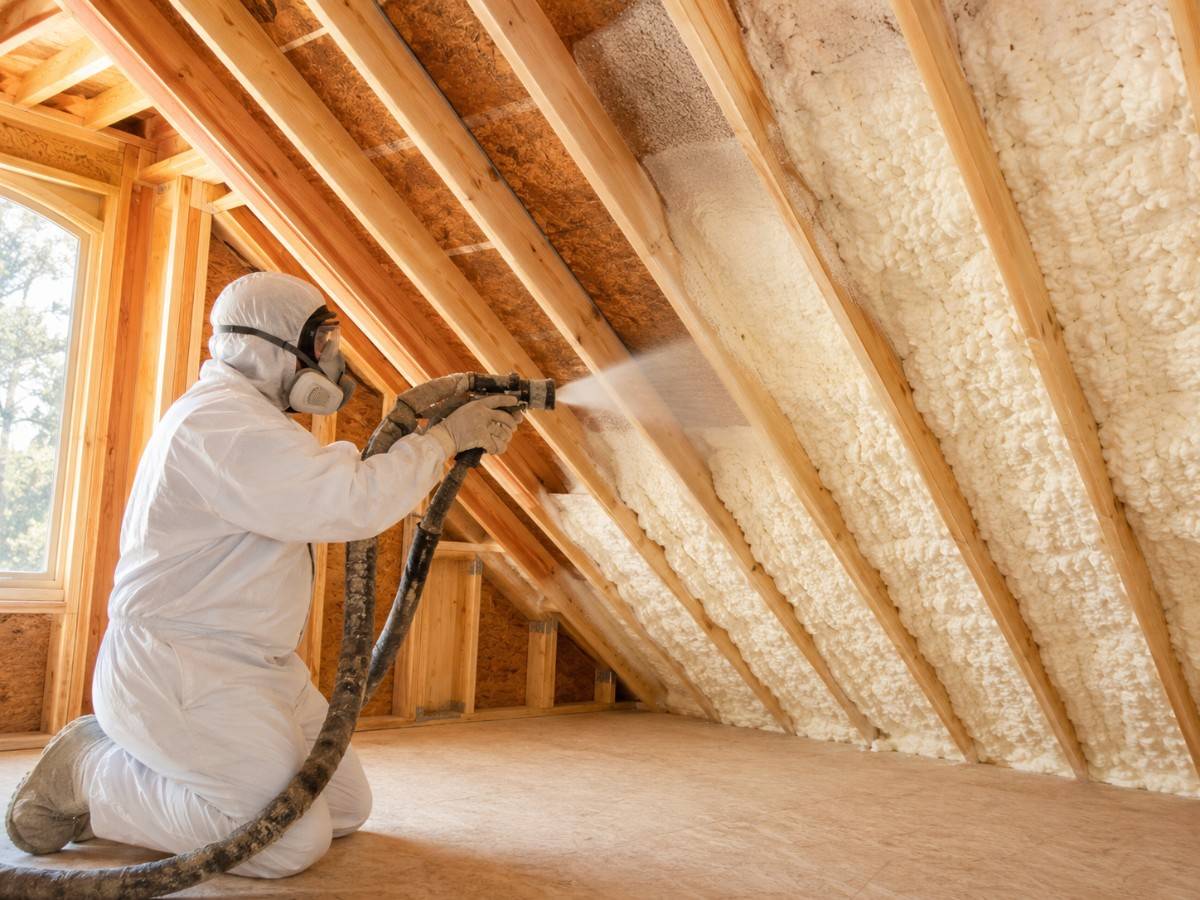
Spray foam can feel dry within minutes, but full cure time often takes longer. Most canned spray foam sealants become tack-free in minutes and fully cure within several hours to 24 hours. Professional spray foam insulation may also cure within hours, but safe re-entry can require longer ventilation.
The exact wait time depends on the foam type, thickness, temperature, humidity, airflow, and product formula. This matters because dry to touch, ready to trim, fully cured, and safe to reoccupy do not always mean the same thing. This guide explains each stage in simple terms so you know when spray foam is ready for the next step.
Spray Foam Cure Time at a Glance

Spray foam usually takes a few minutes to become tack-free, but it may take up to 24 hours to fully cure. Some one-component foam sealants list tack-free times under 30 minutes and cure times around 24 hours, depending on the product and conditions. Professional spray polyurethane foam jobs often require product-specific ventilation and re-occupancy guidance, especially for two-component systems.
For homeowners comparing insulation materials, understanding spray foam basics helps separate small gap sealants from full-building spray foam insulation. These products may look similar after application, but their curing process, safety timeline, and installation method can be very different. That is why the product label and installer instructions should always guide your final wait time.
|
Spray Foam Type |
Tack-Free Time |
Trim or Cut Time |
Full Cure Time |
Best Use |
|
Canned one-component foam |
About 6–30 minutes |
About 50–70 minutes for some products |
Often around 24 hours |
Gaps, cracks, windows, doors |
|
Wall and cavity aerosol foam |
About 7–12 minutes |
Around 45 minutes |
Often around 24 hours |
Small cavities and wider gaps |
|
Two-component spray foam kits |
Varies by system |
Varies by thickness |
Often hours to 24 hours |
Larger insulation jobs |
|
Professional SPF insulation |
Product-specific |
Installer-specific |
Product-specific |
Attics, crawl spaces, walls, roof decks |
Dry Time vs Cure Time vs Re-Occupancy Time
Spray foam dry time is not the same as cure time. Dry time usually means the surface is no longer sticky. Cure time means the foam has hardened and completed the chemical or moisture-curing process enough for normal handling.
Re-entry and re-occupancy are safety terms. They refer to when workers or occupants can enter the sprayed area without special protective equipment. EPA guidance says some manufacturers recommend 24 hours after professional two-component high-pressure SPF application, but the actual timeline can vary by product, ventilation, and jobsite conditions.
Planning a small project with DIY foam prep can help you avoid touching, cutting, painting, or covering the foam too early. This is important because foam can look finished before the inside has fully cured. Thick beads, cold surfaces, and low humidity can all increase the wait time.
|
Term |
What It Means |
Why It Matters |
|
Tack-free time |
The surface is no longer sticky |
Foam may still be curing inside |
|
Trim time |
Foam is firm enough to cut |
Cutting too early can tear or deform foam |
|
Full cure time |
Foam has hardened through the applied depth |
Needed before painting, sanding, or covering |
|
Re-entry time |
Workers can enter under product guidance |
Depends on ventilation and PPE requirements |
|
Re-occupancy time |
Occupants, pets, and children can return |
Should follow installer or manufacturer instructions |
How Long Does Canned Spray Foam Take to Cure?

Canned spray foam usually cures faster in thin beads than in deep gaps. Many one-component polyurethane foam sealants are tack-free within minutes, but full curing may take up to 24 hours. For example, one DAP one-component foam sealant lists a tack-free time of under 30 minutes and a cure time of 24 hours.
Canned foam is often used around windows, doors, pipes, wiring holes, and small wall penetrations. These foams often rely on moisture in the air or surface to help cure. That is why dry air, large gaps, or very thick applications can slow the curing process.
For small residential sealing jobs, using the right foam sealant products can make the work cleaner and more predictable. A low-expansion foam is often better around windows and doors. A higher-expansion foam may be better for larger cracks, but it should still be applied in controlled layers.
How Long Does Professional Spray Foam Insulation Take to Cure?
Professional spray foam insulation has a different timeline than a small DIY can. The foam may harden quickly, but the space still needs ventilation after application. EPA ventilation guidance says occupant re-entry should only happen after the building has been fully ventilated, and the time needed depends on several factors.
Professional jobs often involve two-component spray polyurethane foam. These systems are commonly used in attics, crawl spaces, basements, wall cavities, and roof decks. They require proper mixing, jobsite protection, air movement, and personal protective equipment during installation.
If you are comparing product options for a larger project, spray foam kits may be useful for controlled applications. However, large or complex projects may need an experienced installer. This is especially true when the area is occupied, poorly ventilated, or connected to living space.
Open-Cell vs Closed-Cell Spray Foam Cure Time
Open-cell and closed-cell spray foam can both cure quickly, but they perform differently after installation. Open-cell foam is softer and lighter. Closed-cell foam is denser, more rigid, and often applied in controlled lift thicknesses.
Cure time depends more on the product formula and jobsite conditions than the name alone. A closed-cell foam applied too thickly can trap heat or cure unevenly. A thin, properly applied pass usually cures more predictably than a heavy, overfilled cavity.
When deciding between materials, comparing open-cell foam options can help match the foam to the building area. Attics, roof decks, walls, and crawl spaces may have different insulation needs. The right choice depends on air sealing goals, moisture control, R-value requirements, and installation conditions.
What Affects Spray Foam Cure Time?
Spray foam cure time changes with the jobsite. Temperature, humidity, foam thickness, ventilation, product chemistry, and air exchange rate all matter. Industry guidance also notes that re-entry and re-occupancy times depend on factors such as product formulation, containment, ventilation, amount of foam applied, temperature, humidity, cure time, and air exchange rate.
A common mistake is applying too much foam at once. Thick applications cure slower and may not perform as intended. Some products also list longer cure times in thicker applications, colder temperatures, or low humidity.
|
Factor |
How It Affects Cure Time |
Practical Tip |
|
Foam thickness |
Thicker foam cures slower |
Apply in recommended layers |
|
Temperature |
Cold slows curing |
Use product within its rated range |
|
Humidity |
Low humidity can slow moisture-cured foam |
Lightly mist only if label allows |
|
Ventilation |
Helps remove vapors and odors |
Keep airflow moving after application |
|
Product formula |
Fast-cure and standard foams differ |
Follow the technical data sheet |
|
Mixing quality |
Poor mixing can cause bad curing |
Use proper equipment and technique |
|
Surface condition |
Dust, oil, or moisture issues can affect adhesion |
Clean and prepare the surface first |
How Do You Know Spray Foam Is Fully Cured?

Spray foam is usually cured when it is firm, dry, and no longer tacky. It should hold its shape when touched lightly. It should also cut cleanly if trimming is allowed by the product instructions.
The foam should not feel wet, sticky, oily, or unusually soft after the expected cure period. A strong chemical odor that does not improve may also indicate a ventilation or curing issue. Persistent odor, irritation, or unusual foam texture should be addressed with the installer or manufacturer.
Look for these signs before moving forward:
- The surface is no longer sticky.
- The foam has stopped expanding.
- The foam feels firm through the applied area.
- The color and texture look consistent.
- The product’s listed cure time has passed.
- Odor has reduced and ventilation guidance has been followed.
When Can You Trim, Paint, or Cover Spray Foam?
You can usually trim spray foam after it becomes firm enough to cut cleanly. For some canned foams, that may be around 45 minutes to about an hour. DAP wall and cavity aerosol foam lists tack-free time at 7–12 minutes, trim time at 45 minutes, and typical cure time at 24 hours, depending on foam thickness, temperature, and humidity.
Painting, sanding, or covering should wait until full cure. If the foam is still soft inside, paint may not bond well. Covering uncured foam too early may also trap odor or interfere with drying.
For wider insulation projects, using foam application tools can help control bead size and reduce waste. Cleaner application often means easier trimming and fewer overfilled gaps. It also helps reduce the chance of foam expanding beyond the intended area.
Can You Speed Up Spray Foam Cure Time?
You can sometimes support proper curing, but you should not force it. The safest way to improve cure time is to follow the product’s temperature, humidity, thickness, and ventilation instructions. Trying to heat, seal, or cover foam too early can create problems.
For one-component canned foam, moderate moisture may help when the label recommends it. Some DIY users lightly mist the surface before applying foam, but this should only be done when the product instructions allow it. Too much water can also affect adhesion or final foam quality.
Use these simple steps:
- Apply foam in thinner layers.
- Keep the surface clean and prepared.
- Work within the recommended temperature range.
- Maintain airflow after application.
- Avoid overfilling deep gaps.
- Wait for full cure before painting or covering.
Is Spray Foam Safe After It Cures?
Properly installed and fully cured spray foam is designed to stay in place as insulation or air sealant. However, safety depends on correct installation, proper mixing, adequate ventilation, and following re-occupancy instructions. EPA recommends that occupants receive clear safe re-entry guidance from the contractor before SPF work begins.
You should not rely on touch alone to decide whether a sprayed area is safe. Foam may feel firm before ventilation is complete. Children, pets, and sensitive occupants should follow the same re-occupancy timeline as the rest of the household.
Safety gear also matters during application. Gloves, eye protection, protective clothing, and respiratory protection may be required depending on the product and job type. For safer preparation, use appropriate spray foam safety equipment before starting any project.
Common Spray Foam Curing Problems
Some spray foam problems show up during or after curing. The foam may remain sticky, shrink away from the surface, smell strongly, or look uneven. These issues may come from poor mixing, wrong temperature, expired material, moisture problems, or applying too much foam at once.
Uncured spray foam should not be ignored. Sticky or oily foam may not deliver proper insulation or air sealing performance. It may also need professional inspection, removal, or correction.
Watch for these warning signs:
- Foam stays sticky after the listed cure time.
- The area has a strong odor that does not fade.
- Foam pulls away from framing or sheathing.
- The texture looks scorched, brittle, or oily.
- Occupants feel irritation after returning.
- Foam remains soft deep inside the application.
DIY vs Professional Spray Foam: Which Cure Timeline Should You Follow?
DIY canned foam and professional spray foam insulation should not use the same timeline. Small canned foam jobs usually involve limited material and smaller gaps. Professional SPF jobs often involve more foam, larger enclosed areas, and stronger ventilation requirements.
If you are doing the work yourself,DIY foam steps can help you prepare the area and avoid common timing mistakes. You should still follow the product label over general advice. Different foam brands can have different tack-free, trim, and cure times.
For larger projects, coverage planning also matters. Overbuying or underestimating thickness can affect application quality and cure consistency. A clear foam coverage estimate can help match material volume to the size of the area.
How Thick Should Spray Foam Be Before It Cures Properly?

Spray foam should be applied at the thickness recommended by the manufacturer. Too much foam in one pass can slow curing and affect performance. It can also create trimming issues, uneven expansion, or poor final texture.
Closed-cell foam is especially sensitive to lift thickness. It is dense, rigid, and often installed in controlled layers. Following closed-cell thickness guidance helps the foam cure and perform as intended.
Thickness also affects R-value and air sealing. A thin layer may seal air leaks but may not provide the desired insulation level. A thicker layer may improve thermal resistance, but only when applied correctly.
Need Help Choosing the Right Spray Foam Solution?
VB Insulation helps homeowners, contractors, and project teams choose spray foam products that fit the job, not just the price tag. Whether you are sealing small gaps, insulating a crawl space, or planning a larger insulation project, the right foam type, coverage estimate, thickness, and safety setup can make the work cleaner and more reliable. Their range of spray foam products supports different insulation needs, from air sealing to full-area applications.
For DIY and professional projects, VB Insulation also provides the tools, accessories, and safety products needed to apply foam with more control. Choosing the right insulation accessories can help reduce waste, improve application quality, and support proper curing conditions. If you want a better result, start with the right product, follow the correct cure time, and use safety equipment from the beginning.
FAQ
How long does spray foam take to fully cure?
Spray foam often takes several hours to 24 hours to fully cure. Some products become tack-free in minutes, but the inside may still be curing. Always check the label, because cure time changes with foam depth, temperature, humidity, and ventilation.
How long before spray foam is safe to be around?
Professional spray foam may require around 24 hours before normal re-occupancy, but the exact time depends on the product and ventilation plan. EPA notes that some manufacturers recommend 24 hours after professional two-component high-pressure SPF application, while others may give different guidance. Occupants should follow the installer and manufacturer instructions, not just the smell or surface feel.
Can I sleep in my house after spray foam insulation?
You should not sleep in the sprayed area until the recommended re-occupancy time has passed. Professional spray foam jobs may require the home or work area to stay vacant during application and ventilation. Children, pets, and sensitive occupants should return only after the space is cleared for occupancy.
How long before you can cut spray foam?
Many canned spray foams can be cut after about 45 minutes to an hour, but timing depends on the product. For example, Loctite TITE FOAM lists a cut time of 50–70 minutes and an approximate cure time of 24 hours at 73°F and 50% relative humidity. Cutting too early can pull or deform the foam instead of giving a clean edge.
Does spray foam cure faster with humidity?
Some spray foams cure faster with moderate moisture because they are moisture-cured products. This is especially common with one-component polyurethane foam sealants. However, too much moisture can cause problems, so only mist surfaces when the product label recommends it.
Why is my spray foam still sticky?
Spray foam may stay sticky if it has not cured fully, was applied too thickly, or was used outside the recommended temperature range. Poor mixing or expired material can also cause curing problems. If the foam remains sticky after the listed cure time, contact the product manufacturer or installer before covering it.
How long does spray foam smell last?
Spray foam smell may fade within hours to a day, but it depends on the product, ventilation, and application size. A strong odor that does not improve can point to poor ventilation or curing issues. Do not use odor alone as proof that the space is safe or unsafe.
Can spray foam cure in cold weather?
Spray foam can cure in cold weather if the product is rated for those conditions. Cold surfaces and cold air can slow expansion, adhesion, and curing. Use a cold-weather formula when needed, and keep the material within the temperature range listed by the manufacturer.