Want to make your spray foam insulation project work well? The secret is measuring spray foam coverage right. Are you sure how much spray foam you need for your job?
This guide from VB Insulation will help. It will show you step-by-step how to figure out the right spray foam coverage. You'll learn everything from measuring the area to figuring out how thick the foam should be.
By the end, you'll know how much foam you need. This info is key for keeping your space warm, saving energy, and making sure your project is a success.

Key Takeaways
- Understand the importance of accurately calculating spray foam coverage for your insulation project.
- Learn the key factors that influence spray foam coverage, such as desired R-value, density, and application rate.
- Discover step-by-step methods for measuring the area, determining the optimal spray foam thickness, and calculating the required quantity.
- Explore online calculators and mobile apps that can simplify the estimation process and ensure you order the right amount of spray foam.
- Gain insights into accounting for waste and overspray to avoid costly material shortages or excess purchases.
Understanding Spray Foam Insulation Coverage
Vega Bond V600 insulation Kit is now a go-to for many. It's great at making homes and buildings use less energy. But, getting the right amount and coverage is key. Let's look at what spray foam insulation is, its benefits, and what decides how much to use.
What is Spray Foam Insulation?
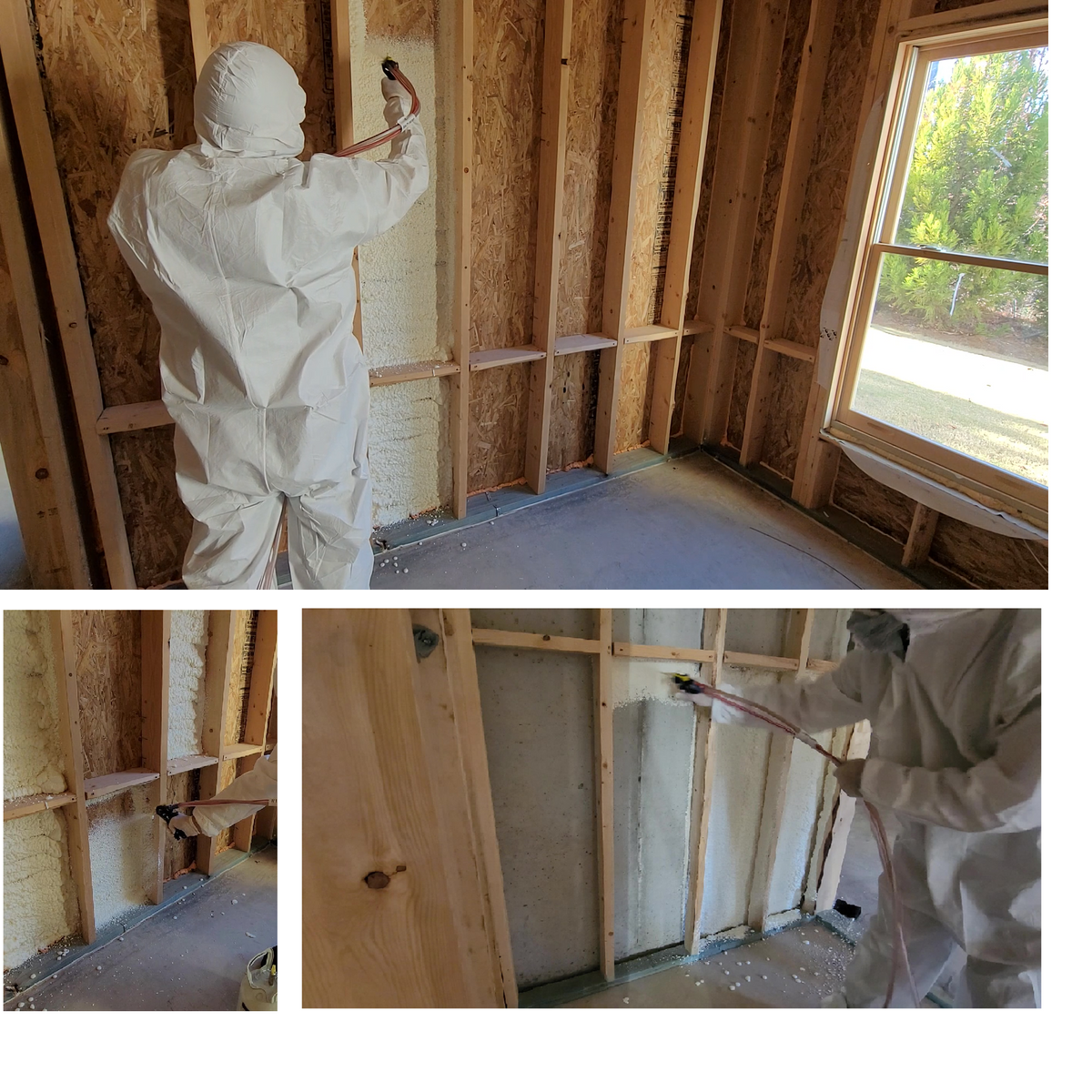
Spray foam insulation fills nooks and crannies with a mix that expands. This filling means it makes a tight seal that stops heat, air, and moisture from moving. As a result, your home or office stays cozy and uses less energy.
Benefits of Proper Spray Foam Coverage
Proper spray foam coverage delivers long-lasting performance, efficiency, and comfort by creating a complete and effective insulation system.
-
Superior Energy Efficiency & Lower Utility Bills
Spray foam offers a high R-value per inch and seals air leaks where energy commonly escapes. This reduces heat loss, eases HVAC workload, and lowers heating and cooling costs. -
Airtight & Moisture Barrier
Expanding foam conforms to all surfaces, forming a continuous seal that blocks air and moisture intrusion, helping prevent condensation, mold, and mildew. -
Enhanced Indoor Comfort
By eliminating drafts and thermal gaps, spray foam maintains uniform indoor temperatures and removes hot or cold spots. -
Improved Indoor Air Quality
The airtight seal blocks allergens, dust, outdoor pollutants, and pests, creating a healthier indoor environment especially beneficial for those with allergies. -
Increased Structural Strength
Closed-cell spray foam cures into a rigid layer that bonds to building components, enhancing wall and roof stability. -
Effective Sound Reduction
Spray foam dampens sound transmission between rooms and from outside noise sources. -
Long-Term Durability & Property Value
It does not sag or degrade, providing lifetime performance, reduced maintenance, and increased property value.
Factors Affecting Spray Foam Coverage
Many things affect how much spray foam you need. Things like area size, R-value, foam density, and application rate are important. Knowing these helps plan how much spray foam to use. This makes the project successful.
Thinking about these factors ensures your insulation project is great. It works well, saves cash, and makes your place more comfy.

How to Calculate Spray Foam Coverage
Start by understanding how essential it is to measure accurately of an area. This measure sets the stage for the right amount of spray foam needed.
Measuring the Area to be Insulated
First, carefully measure the area's length, width, and height. This also means tracking any unusual spaces or hard-to-reach places. Getting these details right ensures you order precisely what you need, without any leftovers or not enough.
Determining the Required Spray Foam Thickness
After measuring, you need to pick the best spray foam thickness. Think about what R-value you’re aiming for and any special needs. The R-value shows how well insulation stops heat from moving. For help choosing the right thickness, look at industry guidelines. Talking to a spray foam expert is a smart move too.
Calculating the Spray Foam Quantity
Now, with measurements and thickness decided, it’s time to work out how much spray foam you need. Consider factors like waste and overspray. VB Insulation experts can help with specific formulas. This ensures you’ll buy just the right amount for your job.

Take these steps to get the right amount of spray foam for your project. Remember, being accurate in these steps saves you trouble later. Then you're set to smoothly move through your insulation project.
Spray Foam Insulation Coverage Calculator
VB Insulation has made it simple to figure out how much spray foam you need. They offer online calculators and apps. These tools quickly help you figure out the amount of spray foam you'll need. You just put in your project's details to get the right numbers.
Online Calculators and Tools
With VB Insulation's online coverage calculator, you can enter the space's dimensions. Then, choose the spray foam thickness and more. The calculator gives you an estimate of board feet and coverage. This ensures you buy the correct amount and have a successful insulation job without waste.
Mobile Apps for Spray Foam Coverage Estimation
There are also mobile apps from VB Insulation that work on iOS and Android. You can add your project's details and take measurements. The app then shows you how much spray foam is needed instantly. It's great for project assessments on-site or figuring out client needs.
VB Insulation's digital tools make it easy to plan your spray foam needs. This way, you're sure to order the right amount and efficiently finish your project.
Spray Foam Material Requirements
Planning the right spray foam materials is essential for a smooth, efficient insulation project. At VB Insulation, we help estimate accurate spray foam board feet while accounting for waste and overspray, ensuring you order the right quantity and meet performance standards.
Estimating Spray Foam Board Feet
Spray foam is measured in board feet (1 sq. ft. at 1 inch thick). The total amount depends on surface area, thickness, and site conditions.
- Measure total square footage of the area to be insulated
- Determine required foam thickness based on climate and R-value goals
- Include irregular surfaces, corners, and penetrations
Once these factors are calculated, you can accurately determine the total board feet needed for your project.
Accounting for Waste and Overspray
Some material loss is unavoidable due to surface texture, overspray, or restricted spaces.
- Rough or uneven surfaces increase foam usage
- Tight cavities may cause application waste
- Environmental conditions can affect spray efficiency
VB Insulation recommends adding 10–15% extra material to prevent shortages and delays.
Spray Foam Material Composition & Performance
Modern spray foam insulation uses a high-performance, two-part system designed to meet industry standards.
Chemical composition:
- Part A: Isocyanate
- Part B: Polyol resin with additives (blowing agents, catalysts, fire retardants)
Key performance requirements (ICC/ASTM standards):
- Closed-cell content ≥ 90%
- Core density ≥ 1.5 pcf
- High thermal resistance and dimensional stability
Installation Requirements
Proper application ensures the foam performs as designed.
- 1:1 mixing ratio of Part A and Part B
- Chemical temperature maintained at 40–50°C
- Applied in 2–3 cm layers for optimal curing
- Adheres to concrete, wood, and metal without primers
VB Insulation’s experts ensure proper planning, material selection, and code-compliant installation for reliable, long-term insulation performance.
Professional Spray Foam Contractors
If you want a pro to do your spray foam job, working with a top spray foam contractor brings many pluses. Teams with lots of skill and know-how, like the folks at VB Insulation, can measure spray foam needs exactly. They use the best methods to apply it. This way, your project moves smoothly, meeting top standards all the way.
Benefits of Hiring a Professional
Working with a professional spray foam contractor ensures accurate application, maximum efficiency, and long-term performance.
-
Accurate Project Assessment
Professionals evaluate your space, climate, and goals to determine the correct foam type, thickness, and coverage. -
Correct Material Selection
Experts choose the proper density, R-value, and application rates to meet performance and code requirements. -
Precise Application
Trained installers use calibrated equipment to apply spray foam evenly, ensuring full coverage and proper curing. -
Reduced Waste
Professional techniques minimize overspray and material loss, saving time and costs. -
Consistent, High-Quality Results
Proper installation prevents gaps, shrinkage, and performance issues over time. -
Compliance & Reliability
Contractors follow manufacturer guidelines and building standards, protecting your investment.
Hiring a professional ensures your spray foam insulation performs efficiently and lasts for the life of the building.
Finding a Reputable Spray Foam Contractor
Choosing the right spray foam contractor is critical to achieving reliable insulation performance and long-term value. A reputable professional demonstrates proven experience, proper credentials, and consistent workmanship.
-
Proven Experience
Look for contractors with a strong track record in spray foam insulation projects similar to yours. -
Licensing & Certifications
Verify they hold required licenses and industry certifications, showing compliance with safety and installation standards. -
Industry Best Practices
Reputable contractors follow manufacturer guidelines, correct application methods, and current building codes. -
Client Reviews & References
Check online reviews and request references to confirm customer satisfaction and job quality. -
Clear Communication
A trusted contractor explains the process, materials, timelines, and costs clearly before work begins. -
Written Estimates & Warranty
Ensure they provide detailed quotes and stand behind their work with warranties or guarantees.
Selecting a qualified spray foam contractor ensures professional installation, reliable performance, and peace of mind.
FAQ
What is Spray Foam Insulation?
Spray foam insulation is a special kind of material. It starts as a liquid. Then, it changes into a solid, sealing tight to keep the air in or out. This makes it great for keeping homes and buildings cozy and saving energy.
What are the Benefits of Proper Spray Foam Coverage?
Proper coverage ensures maximum performance and long-term value for your insulation investment.
- Lowers heating and cooling costs
- Improves indoor comfort and noise control
- Long-lasting with minimal maintenance
What Factors Affect Spray Foam Coverage?
Several variables influence how much spray foam is needed and how well it performs.
- Size, shape, and complexity of the area
- Desired insulation thickness and foam type
- Application method and obstructions
How Do I Measure the Area to be Insulated?
To know how much spray foam to use, do this: 1. Measure the length and width of rooms or spaces. 2. Take note of any odd corners or spots. 3. Multiply length by width for each area. 4. Think about special parts that might change how much foam you need.
How Do I Determine the Required Spray Foam Thickness?
Planning for waste helps prevent shortages during application.
- Add an extra 10–15% to calculations
- Covers overspray, uneven surfaces, and errors
- Ensures full project completion
How Do I Calculate the Spray Foam Quantity Needed?
Finding out how much spray foam you need is easy: 1. Measure the entire area. 2. Times the area by the thickness you want for the foam. 3. Change cubic feet to what foam sellers use, like board feet. 4. Add a bit more to not run short, like 10-15% extra.
What Online Calculators and Tools Are Available?
You can find online tools and apps to help with spray foam projects, including: - Your specific Spray Foam Coverage Calculator - A Spray Foam Board Feet Calculator - A Spray Foam Yield Estimator These tools let you enter your project's needs and get the perfect foam amount back.
How Do I Account for Waste and Overspray?
It's smart to plan for some extra foam just in case. Experts suggest adding 10-15% more than you think you need. This makes sure you finish without any issues, like not enough foam where it's needed.
What Are the Benefits of Hiring a Professional Spray Foam Contractor?
Professionals deliver better results, safety, and peace of mind.
- Correct application and accurate material estimates
- Compliance with building codes and safety standards
- Warranty coverage and post-installation support
How Do I Find a Reputable Spray Foam Contractor?
Choosing the right contractor is key to a successful insulation project.
- Ask for referrals and read online reviews
- Verify licenses, insurance, and experience
- Compare quotes and meet contractors before deciding