Spray foam insulation has become one of the most effective ways to improve comfort, reduce energy costs, and protect a home from moisture damage. When installed correctly, it creates an airtight seal that traditional insulation materials simply cannot match.
However, many homeowners still run into problems because of common mistakes made during planning or installation. These mistakes can reduce performance, increase long-term costs, and even cause structural or moisture-related issues. Understanding where things often go wrong can help you make better decisions from the start.
What Is Spray Foam Insulation and Why It Matters
Spray foam insulation is a high-performance material that expands on contact to seal gaps, cracks, and air leaks. It is commonly used in walls, attics, crawl spaces, and basements to improve energy efficiency and indoor comfort.
Unlike traditional insulation, spray foam creates both a thermal barrier and an air seal. This dual function helps prevent heat loss, moisture intrusion, and drafts. Closed-cell spray foam, in particular, is known for its dense structure, high R-value, and moisture resistance, making it ideal for long-term insulation performance.
When installed correctly, spray foam can significantly reduce heating and cooling costs while improving indoor air quality and comfort.
Mistake #1: Choosing the Wrong Type of Spray Foam
One of the most common mistakes homeowners make is selecting the wrong type of spray foam for their project.
Why This Happens
Many people assume all spray foam insulation works the same way. In reality, open-cell and closed-cell foam perform very differently and are designed for specific applications.
|
Feature |
Open-Cell Spray Foam |
Closed-Cell Spray Foam |
|
Density |
Low |
High |
|
R-Value per Inch |
~3.5–3.8 |
~6.0–7.0 |
|
Moisture Resistance |
Low |
High |
|
Air Sealing |
Moderate |
Excellent |
|
Structural Strength |
Minimal |
Adds rigidity |
|
Best Use Areas |
Interior walls, sound control |
Basements, attics, crawl spaces |
|
Water Barrier |
No |
Yes |
|
Durability |
Moderate |
Long-lasting |
Why This Matters
Using the wrong type of foam can result in:
- Lower insulation performance
- Increased moisture risk
- Higher energy bills
- Reduced lifespan of the insulation
For example, open-cell foam is more flexible and breathable, while closed-cell foam provides a much higher R-value and moisture resistance. Comparing foam insulation types helps clarify which option is best for specific environments.
What to Do Instead
Choose closed-cell spray foam for:
- Basements and crawl spaces
- Exterior walls
- Areas exposed to humidity
- Locations requiring structural strength
Closed-cell foam offers superior durability and long-term energy performance when used correctly.
Mistake #2: Skipping Proper Surface Preparation
Another major mistake homeowners make is failing to prepare surfaces before applying spray foam.
Common Preparation Errors
- Spraying over dust or debris
- Applying foam to damp surfaces
- Leaving old insulation in place
- Ignoring cracks or gaps
Why This Causes Problems
Spray foam must bond tightly to the surface to expand properly. If the surface is dirty or wet, the foam may pull away, cure unevenly, or fail to seal air leaks.
Poor preparation often leads to:
- Reduced adhesion
- Uneven insulation coverage
- Air leakage
- Moisture intrusion
- Best Practice
Before installation:
-
Clean all surfaces thoroughly
-
Remove loose materials or debris
-
Ensure surfaces are dry
-
Seal large gaps before spraying
Proper preparation ensures the foam adheres correctly and performs as designed.
Mistake #3: Applying Too Much or Too Little Foam

Spray foam insulation must be applied with precision. Too much or too little foam can cause serious performance issues.
Problems Caused by Overapplication
- Excessive heat buildup during curing
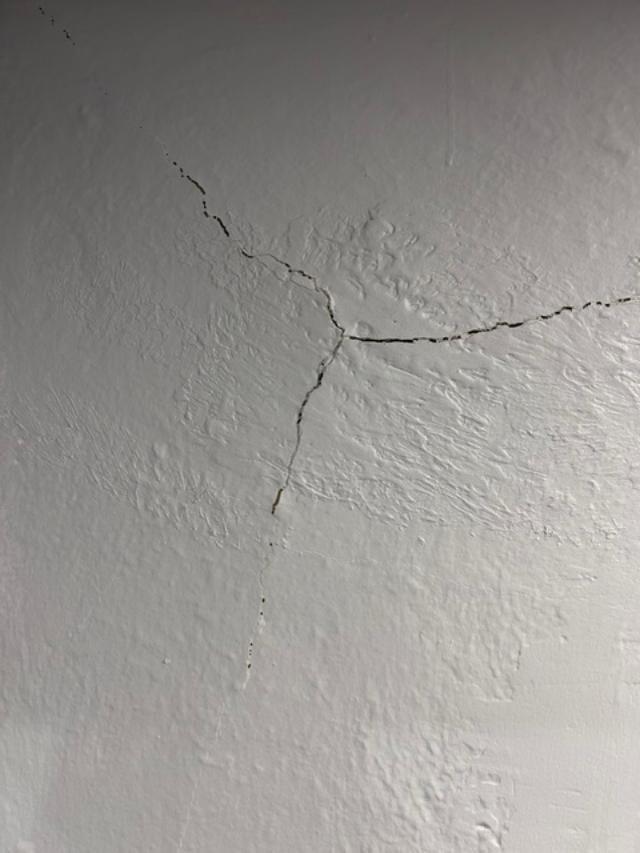
- Foam shrinkage or cracking
- Uneven insulation layers
Problems Caused by Underapplication
- Persistent air leaks
- Lower R-value
- Reduced energy efficiency
The Right Approach
Spray foam should be applied in controlled layers, allowing each pass to cure before adding more. Following manufacturer guidelines ensures consistent expansion and optimal insulation performance.
Understanding proper application techniques is especially important for homeowners considering DIY spray foam projects, where mistakes can be costly.
Mistake #4: Ignoring Safety and Ventilation Requirements

Safety is often overlooked during spray foam installation, especially in DIY projects.
Common Safety Mistakes
- Skipping protective equipment
- Poor ventilation during application
- Re-entering the space too early
- Ignoring curing time guidelines
Why Safety Matters
Spray foam contains chemicals that must be handled properly. Without ventilation and protection, exposure can cause:
- Skin or eye irritation
- Breathing discomfort
- Lingering odors
- Indoor air quality issues
According to guidance from the U.S. Environmental Protection Agency, proper ventilation and protective equipment are essential during spray foam application to reduce exposure risks and ensure safe indoor air conditions.
Best Safety Practices
-
Wear gloves, goggles, and a respirator
-
Ventilate the area during and after application
-
Follow curing time recommendations
-
Keep occupants away until fully cured
Once cured, spray foam becomes inert and safe, but proper precautions during installation are essential.
Mistake #5: Focusing on Cost Instead of Performance

One of the biggest long-term mistakes homeowners make is choosing insulation based solely on price.
Why This Backfires
Low-cost insulation options often:
- Degrade faster
- Allow moisture penetration
- Lose thermal efficiency
- Increase energy bills over time
When comparing options, many homeowners overlook long-term benefits such as durability, moisture resistance, and energy savings.
According to the U.S. Department of Energy, insulation performance should be evaluated based on R-value, air sealing capability, and moisture control rather than upfront cost alone.
Higher-quality insulation often delivers better long-term value when homeowners compare V600 vs fiberglass across energy efficiency, durability, and overall performance.
What to Prioritize Instead
- High R-value per inch
- Moisture resistance
- Long-term durability
- Proven performance testing
Choosing quality materials reduces maintenance costs and improves home comfort for decades.
What Homeowners Should Remember Before Insulating
- Spray foam insulation performs best when installed correctly
- Choosing the right foam type is critical for long-term results
- Surface preparation directly impacts effectiveness
- Proper application prevents air and moisture leaks
- High-quality materials offer better durability and savings
Avoiding these common mistakes helps ensure your insulation investment delivers lasting comfort, efficiency, and protection.
Why VB Insulation Is Best for Spray Foam Quality
VB Insulation provides professional-grade spray foam solutions designed to meet modern energy efficiency and performance standards. Their V600 closed-cell spray foam is engineered for consistent expansion, strong adhesion, and long-term reliability.
The V600 system offers:
- High thermal resistance for superior insulation
- Dense closed-cell structure for moisture control
- Excellent adhesion to wood, metal, and concrete
- Proven durability for residential and commercial use
Homeowners and contractors often choose closed-cell foam for projects where energy efficiency, moisture protection, and structural strength matter most.
VB Insulation also supports a range of collection, from large-scale construction to residential upgrades, making it easier to find the right insulation solution for each project.
Their product range is designed to meet modern building standards while remaining accessible for both professionals and DIY users.If you need expert guidance or product support, reaching out to the VB contact team can help ensure your insulation project is done right the first time.
Frequently Asked Questions
What is the biggest mistake homeowners make with spray foam insulation?
The most common mistake is choosing the wrong foam type or applying it incorrectly, which leads to air leaks and reduced insulation performance.
Is closed-cell spray foam better than open-cell?
Yes. Closed-cell foam provides higher R-value, better moisture resistance, and added structural support compared to open-cell foam.
How long does spray foam insulation last?
When installed properly, spray foam insulation can last 20 to 30 years or longer without significant degradation.
Can spray foam reduce energy bills?
Yes. By sealing air leaks and improving thermal efficiency, spray foam significantly lowers heating and cooling costs.
Is spray foam insulation safe for homes?
Once fully cured, spray foam is safe and helps improve indoor air quality by reducing drafts and moisture infiltration.