A well-sealed home is one of the most effective ways to improve comfort, energy efficiency, and long-term durability. When air leaks go untreated, they quietly drive up energy bills, strain HVAC systems, and allow moisture to damage walls and insulation. That is why professional-grade spray foam insulation has become the go-to solution for homeowners and contractors who want lasting performance.
Spray foam works differently than traditional insulation. Instead of simply slowing heat transfer, it actively seals gaps, blocks air movement, and reinforces the building envelope. When applied correctly, products like Vega Bond spray foam deliver airtight coverage that mimics professional installation standards while remaining accessible to skilled DIYers.
What Is Spray Foam Insulation and Why Professionals Rely on It
Spray foam insulation is a liquid-applied material that expands on contact, filling cracks, seams, and cavities to create an air-tight thermal barrier. It is widely used in residential and commercial construction because it insulates and air-seals at the same time.
Unlike fiberglass or cellulose, spray foam does not settle or shift over time. Once cured, it forms a rigid or semi-rigid barrier that resists moisture intrusion and air leakage.
Key benefits professionals look for:
-
High R-value per inch, meaning better insulation in less space
- Air sealing and insulation combined in one step
- Improved indoor comfort and temperature consistency
- Reduced energy loss from drafts and leakage
- Moisture control, helping prevent mold and mildew
According to energy efficiency studies, air leakage can account for up to 30 percent of heating and cooling loss in a typical home. Proper spray foam application directly addresses this problem.
Where Spray Foam Makes the Biggest Impact in a Home
To insulate like a professional, you need to focus on the areas where energy loss is most common. These locations are often hidden but critical.
High-impact insulation zones include:
- Attics and roof decks
- Rim joists and crawl spaces
- Wall cavities and knee walls
- Basements and foundation seams
- Around windows, doors, and plumbing penetrations
- Garage ceilings and shared walls
Sealing these areas creates a continuous thermal envelope. This reduces drafts, stabilizes indoor temperatures, and improves overall energy efficiency.
Step-by-Step Home Sealing with Vega Bond Spray Foam
Professional-grade results come from proper preparation and application. Follow these steps to achieve a clean, effective seal.
Step 1: Identify Air Leaks and Gaps
Walk through your home and look for:
-
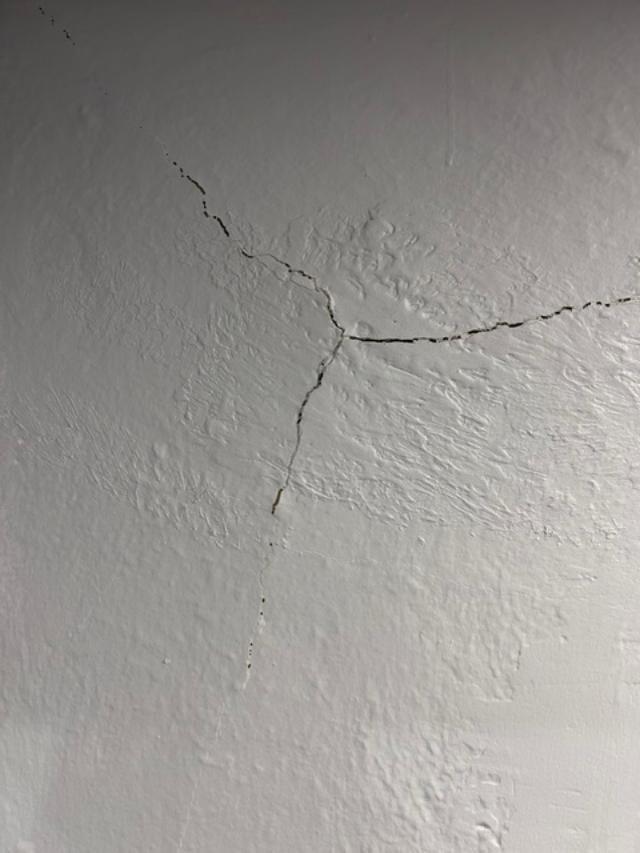
Visible cracks or gaps
-
Cold drafts near walls or floors
-
Areas where pipes or wiring penetrate walls
-
Uneven temperatures between rooms
A smoke pencil or incense stick can help identify air movement around seams and openings.
Step 2: Prepare the Surface
Clean surfaces ensure proper adhesion. Before spraying:
-
Remove dust, debris, or loose insulation
-
Make sure the surface is dry
-
Mask off nearby areas to avoid overspray
-
Wear protective gear including gloves and eye protection
Professional installers always stress surface prep because poor adhesion reduces performance.
Step 3: Apply the Spray Foam Evenly

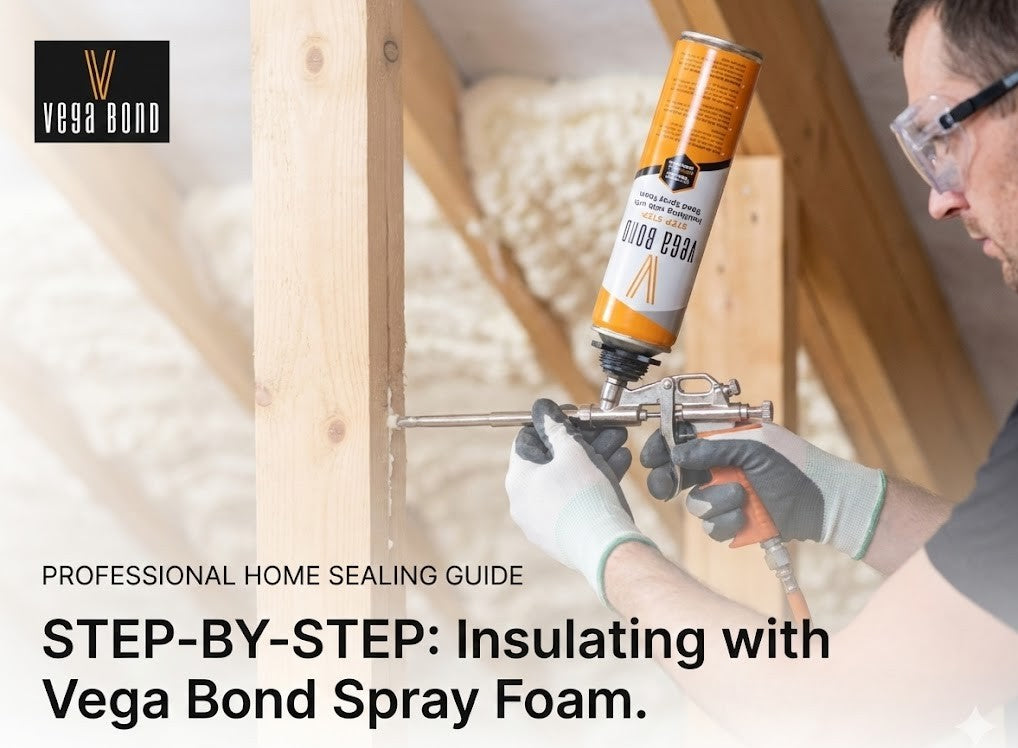
When applying spray foam, many homeowners rely on single-component foam systems for quick sealing around windows, doors, and small penetrations.
These products are easy to use and ideal for targeted air sealing without specialized equipment. Application tips:
-
Shake or warm the canister as recommended
-
Apply in controlled passes rather than overfilling
-
Allow the foam to expand naturally
-
Use multiple layers for deeper gaps
The foam expands to fill voids completely, creating an airtight seal that traditional insulation cannot match.
Step 4: Allow Proper Curing Time
Curing time varies by product, but most spray foams set within minutes and fully cure within hours. During this time:
-
Avoid disturbing the foam
-
Ensure adequate ventilation
-
Trim excess foam once fully cured
Once cured, the foam becomes rigid and long-lasting.
Step 5: Inspect and Finish
After curing:
-
Check for missed gaps
-
Trim excess material for a clean finish
-
Seal over foam if required by local building codes
A proper inspection ensures long-term performance and professional-grade results.
Why Spray Foam Outperforms Traditional Insulation
Spray foam insulation offers advantages that fiberglass or cellulose simply cannot match. Closed-cell spray foam, in particular, is known for its dense structure, moisture resistance, and high R-value, making it ideal for areas exposed to humidity or temperature extremes.
Performance advantages:
-
Superior air sealing reduces drafts
-
Higher energy efficiency lowers utility costs
-
Moisture resistance protects building materials
-
Long lifespan without sagging or settling
-
Sound dampening improves indoor comfort
Many homeowners report noticeable energy savings within the first season after installation.
Common Mistakes to Avoid When Using Spray Foam

Even high-quality materials require correct application. Avoid these common mistakes:
- Overfilling cavities, which can cause warping
- Applying foam to wet or dirty surfaces
- Ignoring safety guidelines
- Failing to seal all air leakage points
- Using low-quality foam that breaks down over time
Professional-grade products paired with proper technique deliver the best results.
Energy Efficiency Trends Driving Spray Foam Adoption
Energy efficiency is no longer optional. Rising energy costs and stricter building codes have made airtight construction a priority.
Current trends include:
- Increased use of spray foam in retrofits
- Greater focus on air sealing over insulation thickness
- Demand for moisture-resistant materials
- Growth in DIY insulation solutions with professional performance
Spray foam insulation aligns with all of these trends, making it one of the fastest-growing insulation methods in residential construction.
Why VB Insulation Is the Right Choice for Professional-Level Results
VB Insulation stands out because it combines professional-grade materials with DIY-friendly application. Their spray foam solutions are engineered to deliver consistent expansion, strong adhesion, and long-term durability.
What makes VB Insulation a trusted option:
- High-performance foam designed for energy efficiency
- Reliable expansion control for clean application
- Products suitable for residential and light commercial use
- Solutions designed for both professionals and homeowners
- Consistent quality backed by industry standards
If you are unsure which product fits your project, reaching out to VB Insulation support team can help you choose the right insulation solution based on your space, goals, and application requirements
FAQs
What is the main benefit of spray foam insulation?
Spray foam insulation seals air leaks while insulating at the same time. This improves energy efficiency, reduces drafts, and helps maintain consistent indoor temperatures.
Is spray foam better than fiberglass insulation?
Yes. Spray foam provides a higher R-value per inch and creates an airtight seal, while fiberglass only slows heat transfer and does not stop air leakage.
Can homeowners apply spray foam themselves?
Yes. Many modern spray foam kits are designed for DIY use. Proper preparation and safety precautions are essential for professional results.
How long does spray foam insulation last?
When properly applied, spray foam insulation can last for decades without settling or losing effectiveness.
Where should spray foam be used in a home?
Common areas include attics, crawl spaces, rim joists, basements, and around windows or plumbing penetrations.