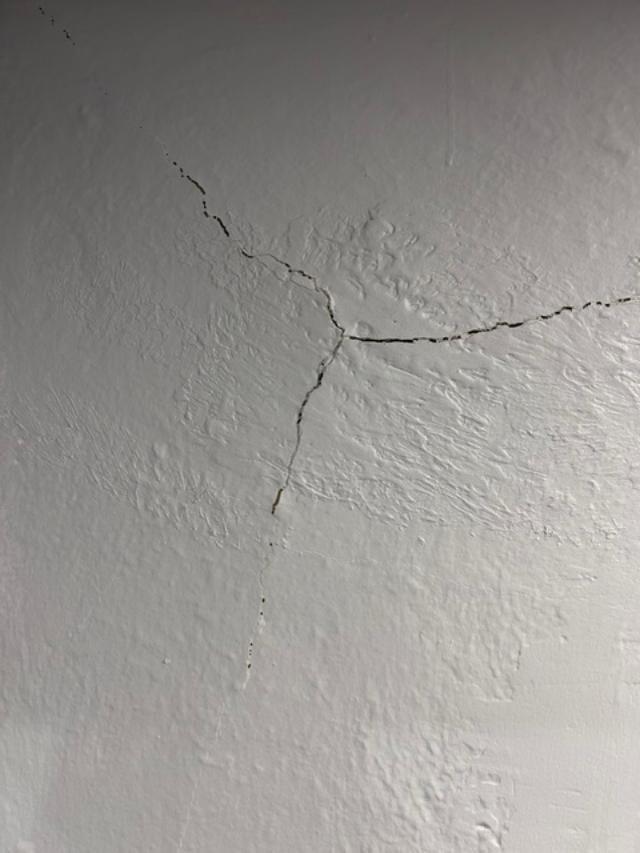
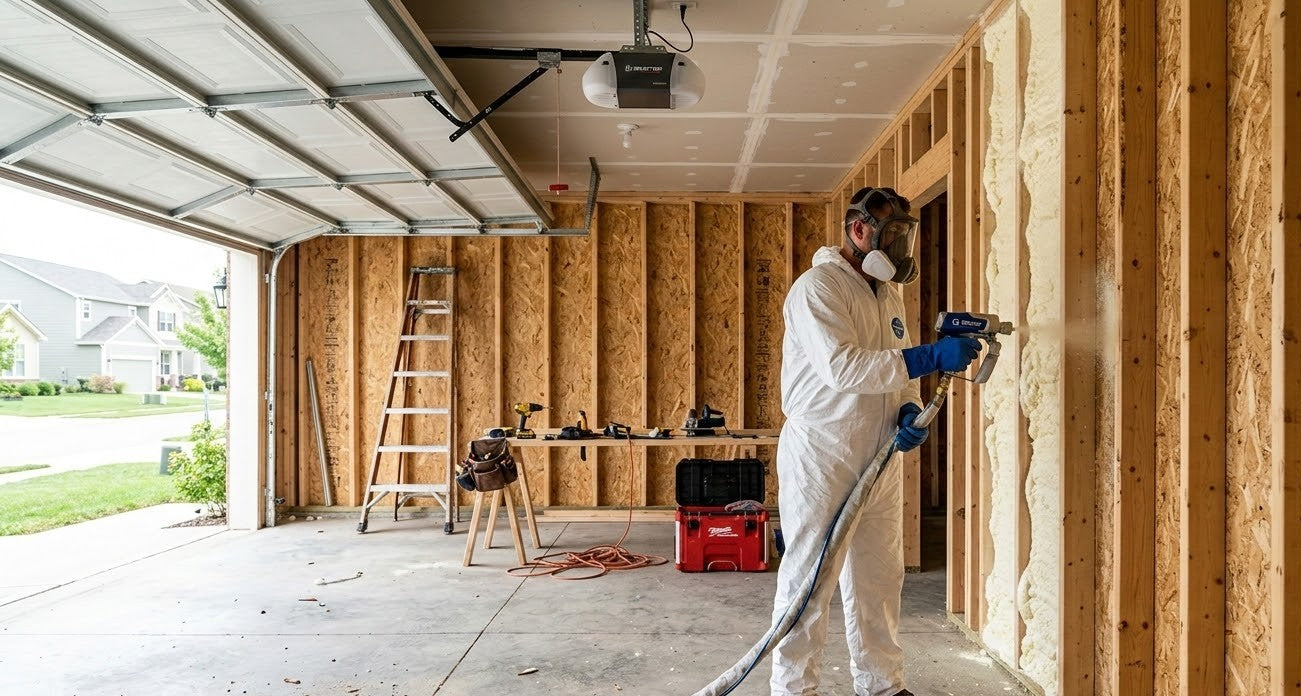
Garage insulation plays a major role in improving energy efficiency, indoor comfort, and long-term building durability. Many garages lose heat through uninsulated walls, ceilings, and structural gaps, which increases energy costs and reduces indoor temperature stability. Spray foam insulation has become one of the most effective solutions because it provides both insulation and air sealing in a single application.
Unlike traditional insulation materials, spray foam expands to fill cracks, cavities, and hidden gaps within wall assemblies. This airtight barrier helps control moisture, prevent drafts, and maintain consistent indoor temperatures throughout the year. According to the U.S. Department of Energy, air sealing combined with insulation can reduce heating and cooling energy use by up to 20 percent.
Key Takeaways
-
Spray foam insulation creates an airtight thermal barrier that improves garage energy efficiency and reduces heating and cooling energy loss.
-
Closed-cell foam offers higher R-value and moisture resistance, while open-cell foam provides flexibility and sound absorption.
-
Effective garage insulation requires sealing walls, ceilings, rim joists, and gaps to prevent air leakage and temperature loss.
-
Proper spray foam thickness typically ranges from 2–3 inches for walls and 3–5 inches for ceilings depending on climate.
Why Spray Foam Is Ideal for Garage Insulation
Spray foam insulation stands out because it combines high thermal resistance with superior air sealing properties. When applied to garage walls and ceilings, the foam expands rapidly and adheres tightly to surfaces, preventing air leakage.
Key advantages include:
- High insulation value per inch
- Airtight sealing against drafts and gaps
- Improved structural rigidity of walls
- Long service life compared with fiberglass insulation
- Moisture resistance that helps prevent mold growth
- Modern garages often function as workshops, home gyms, or storage areas. Proper insulation helps maintain a stable indoor temperature and improves comfort in these spaces.
Understanding the fundamentals of spray foam insulation basics helps homeowners determine whether spray foam is the right insulation option for their garage.
Types of Spray Foam Used for Garage Insulation
Two main types of spray foam insulation are used in residential garages. Each type offers unique properties that influence insulation performance and cost.
Open-Cell Spray Foam
Open-cell foam is a lightweight insulation material that expands significantly during installation. Its flexible structure allows it to fill large cavities efficiently.
Key characteristics
-
R-value around R-3.5 to R-4 per inch
-
Lower installation cost
-
Excellent sound absorption properties
-
Allows some vapor permeability
Open-cell foam works well in interior wall cavities where moisture resistance is not the primary concern.
Closed-Cell Spray Foam
Closed-cell foam is denser and provides higher thermal resistance. It also acts as a moisture barrier and strengthens structural components.
Key characteristics
-
R-value around R-6 to R-7 per inch
-
Strong moisture and vapor resistance
-
Adds structural strength to framing
-
Higher durability and lifespan
Professional installers often apply closed-cell foam at specific thickness levels based on climate and building code requirements. Detailed recommendations for closed-cell foam thickness help ensure optimal thermal performance.
Spray Foam vs Traditional Garage Insulation

Choosing the right insulation material significantly impacts garage comfort and energy efficiency. The following comparison highlights key differences between spray foam and traditional insulation options.
| Feature | Spray Foam | Fiberglass Batt | Cellulose |
|---|---|---|---|
| Air sealing ability | Excellent | Poor | Moderate |
| R-value per inch | High | Moderate | Moderate |
| Moisture resistance | High | Low | Moderate |
| Lifespan | 20–30 years | 10–15 years | 10–15 years |
| Mold resistance | Strong | Weak | Moderate |
| Installation complexity | Moderate | Easy | Moderate |
According to research from the Building Performance Institute, airtight insulation systems significantly reduce energy loss caused by uncontrolled air leakage in residential buildings.
Garage Areas That Should Be Insulated
Insulating only one section of a garage limits the overall energy benefits. Effective insulation covers multiple structural areas to create a continuous thermal barrier.
| Garage Component | Why It Should Be Insulated | Recommended Foam Type |
|---|---|---|
| Exterior walls | Prevent heat loss and drafts | Closed-cell |
| Interior walls | Improve sound control | Open-cell |
| Garage ceiling | Stop heat transfer to attic | Closed-cell |
| Rim joists | Seal air leaks between floors | Closed-cell |
| Garage door panels | Reduce temperature fluctuations | Closed-cell |
Addressing each area ensures the insulation system performs efficiently and prevents thermal bridging.
Tools and Materials Needed

Installing spray foam insulation requires specific tools and safety equipment. Proper preparation improves installation quality and prevents material waste.
Essential equipment
-
Spray foam insulation kit
-
Protective gloves and safety goggles
-
Respirator mask
-
Tape measure
-
Utility knife
-
Plastic sheeting or drop cloths
-
Ladder for ceiling access
-
Stud finder
Homeowners planning a DIY installation often review professional guidelines for DIY spray foam application to ensure proper safety and coverage.
Step-by-Step Guide to Insulating a Garage With Spray Foam
Step 1: Prepare the Garage Space
Preparation ensures the foam adheres correctly and expands evenly.
Important tasks include:
-
Remove stored items from walls and ceiling areas
-
Clean surfaces to remove dust and debris
-
Cover windows, floors, and electrical outlets with plastic
-
Inspect framing for moisture damage
Clean surfaces allow the foam to bond effectively with structural materials.
Step 2: Seal Large Gaps and Openings
Before applying spray foam, seal visible cracks and structural openings.
Common locations include:
-
Wall-to-ceiling joints
-
Electrical outlets and conduits
-
Garage door frames
-
Vent openings
Sealing these gaps improves insulation efficiency and prevents foam overuse.
Step 3: Calculate Spray Foam Coverage
Determining the correct amount of spray foam prevents installation delays and unnecessary material costs.
Coverage depends on:
-
Garage square footage
-
Desired insulation thickness
-
Foam expansion rate
A practical method for spray foam coverage calculation helps determine the material quantity required for the project.
Step 4: Apply Spray Foam to Wall Cavities
Spray foam should be applied evenly between wall studs.
Application technique
-
Hold the spray nozzle approximately 12–18 inches from the surface
-
Apply foam using slow sweeping motions
-
Fill cavities gradually to control expansion
-
Allow the foam to expand fully before applying additional layers
Proper application ensures a uniform insulation barrier without voids.
Step 5: Insulate the Garage Ceiling
Garage ceilings often experience the highest heat loss because warm air rises.
Recommended process
-
Spray foam between ceiling joists
-
Cover ductwork and wiring carefully
-
Maintain consistent foam thickness across the surface
Ceiling insulation is particularly important for garages located beneath living spaces.
Step 6: Trim and Finish the Insulation
After the foam cures, excess material should be trimmed to create a smooth surface.
Final steps include:
-
Cutting foam flush with wall studs
-
Inspecting for missed gaps
-
Installing drywall or protective panels
These finishing steps protect the insulation and improve interior appearance.
Recommended Spray Foam Thickness by Climate Zone
Insulation thickness requirements vary based on geographic climate zones.
| Climate Zone | Wall Thickness | Ceiling Thickness |
|---|---|---|
| Warm climates | 2 inches | 3 inches |
| Mixed climates | 2–3 inches | 3–4 inches |
| Cold climates | 3–4 inches | 4–5 inches |
Following recommended thickness levels ensures the garage meets modern energy efficiency standards.
Estimated Cost of Spray Foam Garage Insulation
Spray foam insulation costs vary depending on garage size, insulation type, and installation complexity.
| Garage Size | Average Cost Range |
|---|---|
| Single-car garage | $1,200 – $2,500 |
| Two-car garage | $2,500 – $4,500 |
| Large workshop garage | $4,500 – $8,000 |
Material quality also influences insulation performance. Choosing reliable products and understanding the best spray foam options helps ensure long-term durability and energy savings.
Common Mistakes to Avoid When Insulating a Garage

Improper insulation can reduce spray foam performance and create long-term issues.
Frequent installation mistakes
- Applying foam too thick in a single layer
- Ignoring ventilation requirements
- Leaving gaps near framing or wiring
- Skipping protective safety equipment
- Underestimating foam coverage
Careful installation ensures the insulation system delivers its full thermal efficiency.
Long-Term Benefits of Spray Foam Garage Insulation
Properly installed spray foam insulation provides measurable long-term advantages for homeowners.
| Benefit | Impact |
|---|---|
| Energy savings | Lower heating and cooling costs |
| Temperature stability | More comfortable garage environment |
| Air sealing | Reduced drafts and air leakage |
| Moisture control | Lower risk of mold growth |
| Property value | Improved energy performance rating |
The International Energy Agency notes that improved building insulation is one of the most effective ways to reduce residential energy consumption.
FAQs
How do you insulate a garage with spray foam?
Spray foam insulation is installed by applying expanding foam into wall cavities and ceiling spaces to create an airtight thermal barrier.
Steps include:
-
Cleaning and preparing garage surfaces
-
Sealing large gaps and cracks
-
Spraying foam between wall studs and ceiling joists
-
Allowing foam to expand and cure
-
Trimming excess foam and finishing walls
Is spray foam better than fiberglass for garage insulation?
Yes, spray foam usually performs better than fiberglass insulation.
Reasons include:
-
Higher R-value per inch
-
Strong air-sealing ability
-
Better moisture resistance
-
Longer lifespan
How thick should spray foam be in garage walls?
Garage walls typically require about 2–3 inches of closed-cell spray foam.
Thickness may vary depending on:
-
Climate zone
-
Building code requirements
-
Desired energy efficiency level
Can you spray foam an existing garage?
Yes, existing garages can be insulated with spray foam.
Common installation areas include:
-
Wall cavities behind drywall
-
Ceiling joists
-
Rim joists and structural gaps
How long does spray foam insulation last in a garage?
Spray foam insulation can last 20 to 30 years or more.
Longevity depends on:
-
Proper installation thickness
-
Moisture control
-
Protection with interior finishing materials such as drywall.