A crawl space can quietly raise your energy bills month after month. Many homeowners focus on attic insulation or new windows, but the space under the home often leaks air, traps moisture, and makes heating and cooling systems work harder. That is why spray foam crawl space insulation has become a popular upgrade for homes with cold floors, musty odors, and uneven indoor temperatures.
Spray foam does more than add an insulation layer. It expands into cracks, seals air gaps, and helps create a more controlled environment below the house. When installed in the right areas, it can improve comfort, reduce energy waste, and support better indoor air quality over time.
Key Takeaways
-
Spray foam crawl space insulation can lower energy bills by reducing air leaks and heat transfer.
-
Closed-cell spray foam is often the better choice for crawl spaces because it resists moisture and adds higher R-value per inch.
-
A damp crawl space can make insulation less effective and increase HVAC strain.
-
Spray foam works best when paired with proper moisture control, air sealing, and a smart crawl space design.
-
Upfront costs are higher than fiberglass, but long-term savings and durability may justify the investment.
Why Your Crawl Space Has a Big Impact on Energy Bills

Many homeowners do not realize the crawl space is part of the home’s thermal envelope. If outside air enters through gaps and unsealed edges, the rooms above can feel colder in winter and hotter in summer. That forces your HVAC system to run longer and use more energy.
A poorly insulated crawl space also affects comfort in ways you notice every day. Floors may feel cold underfoot, rooms may stay drafty, and humidity may rise indoors. If you already understand how spray foam works, it becomes easier to see why this area matters so much.
Common Energy Problems Caused by Crawl Spaces
-
Air leaks around rim joists and foundation edges
-
Heat loss through the floor system
-
Humidity buildup that weakens insulation performance
-
Ductwork losing heated or cooled air
-
Pipes and mechanical systems exposed to temperature swings
How Spray Foam Crawl Space Insulation Works
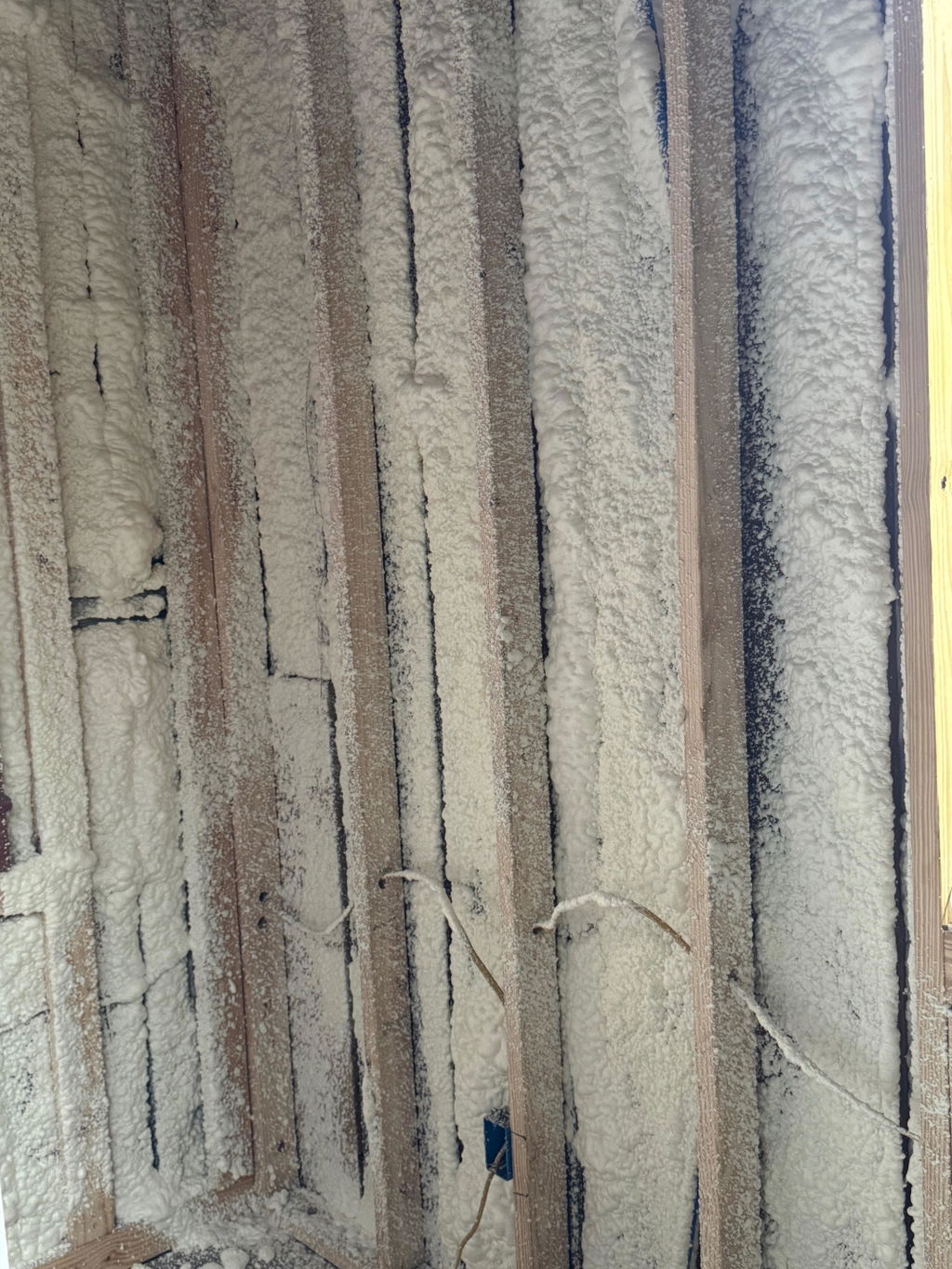
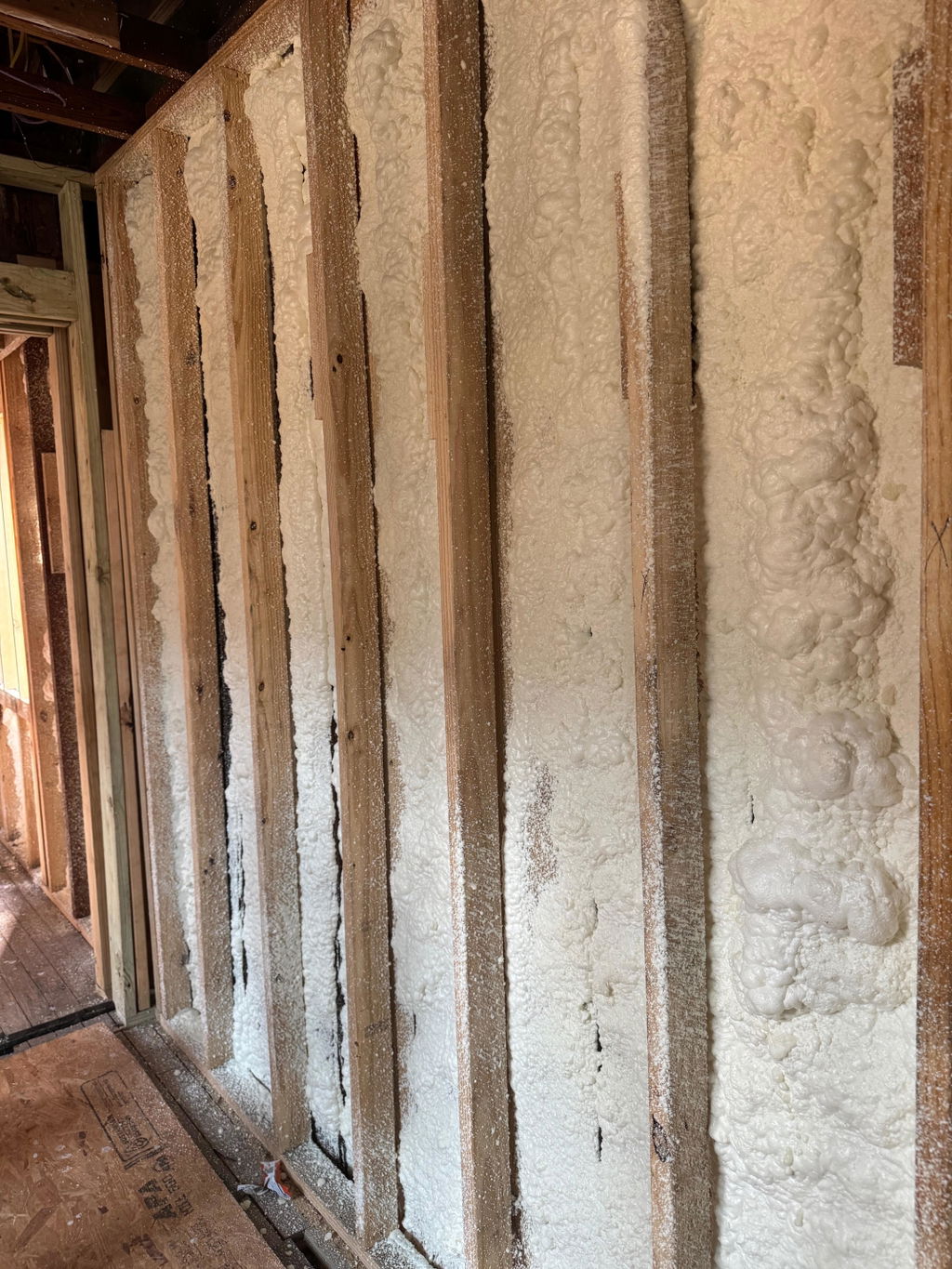
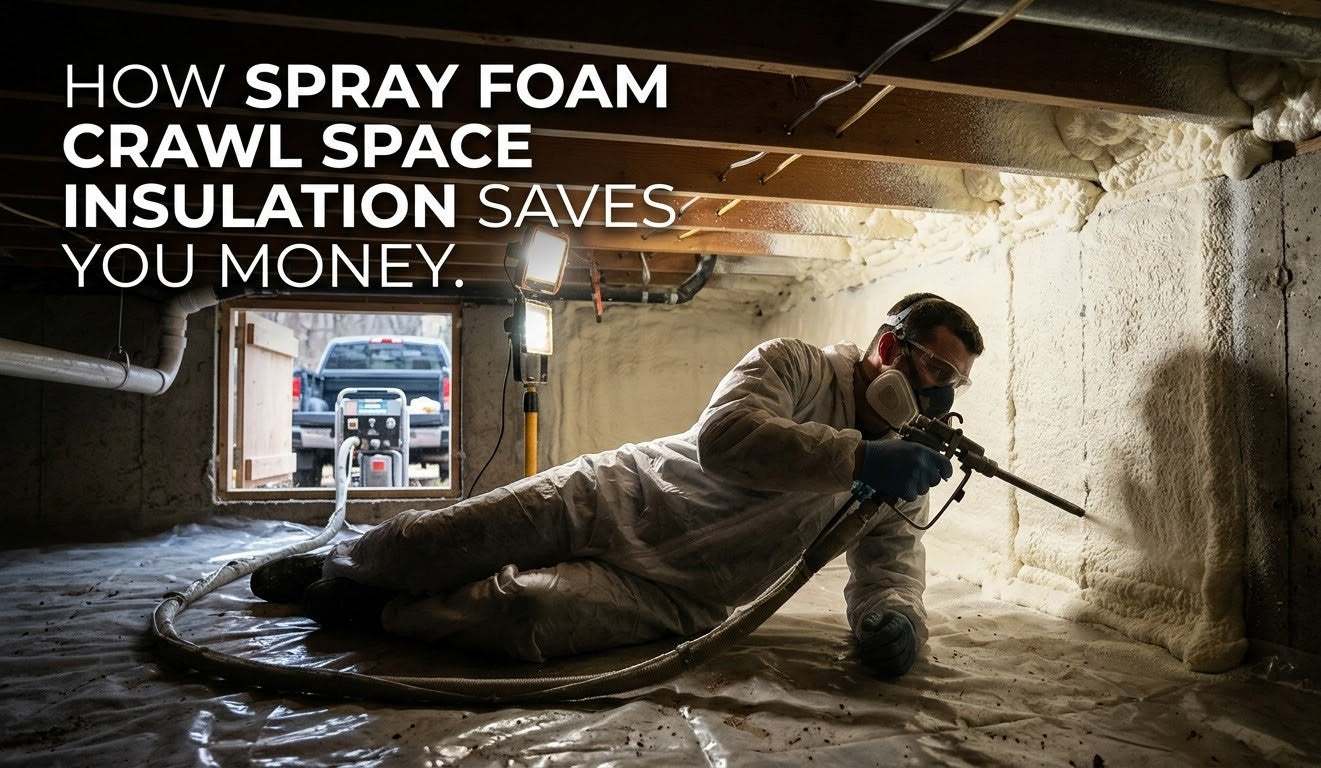
Spray foam starts as a liquid and expands after application. It fills cracks, seals joints, and creates an insulating layer that is hard to match with loose or batt materials. This dual action is one reason homeowners often choose it when energy efficiency is the main goal.
Traditional insulation may slow heat transfer, but it often leaves small gaps where air still moves freely. Spray foam helps solve both problems at once by combining insulation and air sealing in a single material. That is a major reason energy bills can drop after a proper installation.
Where Spray Foam Is Commonly Applied in a Crawl Space
|
Crawl Space Area |
Why It Matters |
How Spray Foam Helps |
|
Rim joists |
Common source of drafts and leakage |
Seals gaps and improves thermal control |
|
Foundation walls |
Important in conditioned crawl spaces |
Helps create a more stable indoor environment |
|
Floor cavities |
Used in some vented crawl space designs |
Adds insulation below living areas |
|
Penetrations around pipes and wires |
Small openings let outdoor air in |
Expands to fill irregular gaps |
How Spray Foam Saves Money on Energy Bills
The biggest savings usually come from reducing uncontrolled air movement. When crawl space air leaks into the home, your heating and cooling system has to compensate for the temperature change. Spray foam limits that exchange, which can help the house stay closer to the set thermostat temperature.
It also helps protect overall insulation performance. Moisture and moving air can make other materials less effective over time, especially in damp environments. That is why homeowners comparing insulation types often look at energy performance details before choosing a long-term solution.
Main Ways Spray Foam Cuts Energy Waste
-
Seals cracks that let outside air enter
-
Reduces heat loss in winter
-
Slows heat gain in summer
-
Helps HVAC equipment cycle more efficiently
-
Supports more stable indoor temperatures
-
Improves performance around ducts and pipes
Closed-Cell vs Open-Cell Spray Foam for Crawl Spaces
Not all spray foam performs the same way in a crawl space. Closed-cell spray foam is denser, more rigid, and more resistant to moisture. Open-cell spray foam is lighter and can work in some applications, but crawl spaces often need better moisture resistance and stronger thermal performance.
That is why closed-cell foam is usually the preferred option for crawl space walls, rim joists, and damp-prone areas. Open-cell foam may still be used in certain conditions, and some homeowners compare open-cell options when budget or assembly design is part of the decision. The best choice depends on the home, climate, and moisture conditions.
Spray Foam Type Comparison Table
|
Feature |
Closed-Cell Spray Foam |
Open-Cell Spray Foam |
|
Density |
Higher |
Lower |
|
Moisture resistance |
Strong |
Lower |
|
R-value per inch |
Higher |
Moderate |
|
Structural rigidity |
Adds more rigidity |
Softer texture |
|
Best fit for crawl spaces |
Often yes |
Sometimes, depending on conditions |
|
Cost |
Higher upfront |
Lower upfront |
Spray Foam vs Fiberglass vs Rigid Foam

Homeowners often compare spray foam with fiberglass batts and rigid foam board. Fiberglass is less expensive, but it does not air seal well and can lose effectiveness if exposed to moisture. Rigid foam can perform well in some crawl space wall systems, though installation details matter and sealing around edges is still important.
Spray foam stands out because it can handle irregular surfaces and close air gaps in one step. That makes it especially useful in older homes where crawl spaces have uneven framing, pipe penetrations, and awkward corners. If you are weighing broader insulation choices, home insulation types can help frame the decision beyond just material cost.
Insulation Comparison Table
|
Insulation Type |
Air Sealing |
Moisture Resistance |
R-Value Efficiency |
Installation Fit for Crawl Spaces |
Upfront Cost |
|
Spray foam |
Excellent |
Strong, especially closed-cell |
High |
Very good for irregular areas |
High |
|
Fiberglass batt |
Poor |
Weak in damp spaces |
Moderate |
Easy, but less reliable long term |
Low |
|
Rigid foam board |
Good when seams are sealed |
Good |
Good |
Good for wall systems |
Moderate |
The Link Between Moisture Control and Lower Energy Bills
A damp crawl space does more than smell musty. Moisture can reduce insulation effectiveness, encourage mold growth, and make indoor air feel heavy and uncomfortable. In many homes, the HVAC system then works harder to manage both temperature and humidity.
Spray foam can help, but it is not a cure for standing water or drainage failures. Moisture problems should be addressed first so the insulation can perform as intended. That is one reason many homeowners also consider water-resistant foam benefits when crawl space humidity is a recurring issue.
Signs Moisture Is Hurting Crawl Space Performance
-
Musty smell inside the home
-
Condensation on ducts or pipes
-
Wet insulation or sagging batts
-
Visible mold or mildew
-
Soft wood or signs of rot
-
Higher indoor humidity
-
More pest activity
Crawl Space Encapsulation vs Crawl Space Insulation
Crawl space insulation and crawl space encapsulation are related, but they are not the same thing. Insulation focuses on reducing heat transfer, while encapsulation is a broader system that includes sealing the crawl space, controlling ground moisture, and often insulating the foundation walls. In many homes, encapsulation creates better long-term results because it addresses both energy loss and environmental conditions.
Spray foam can be part of an encapsulated crawl space strategy. It is often used on the foundation walls and rim joists to help create a more stable and conditioned area below the home. That approach can improve comfort, reduce drafts, and support lower utility bills more effectively than insulation alone.
Encapsulation vs Insulation Table
|
Feature |
Crawl Space Insulation Only |
Crawl Space Encapsulation |
|
Main purpose |
Reduce heat transfer |
Control air, moisture, and temperature |
|
Includes vapor barrier |
Not always |
Usually yes |
|
Includes air sealing |
Sometimes |
Yes |
|
Helps with humidity control |
Limited |
Stronger |
|
Long-term energy performance |
Moderate |
Often better |
|
Best for chronic moisture problems |
Usually no |
Often yes |
Where Spray Foam Should Be Installed in a Crawl Space

The right installation area depends on whether the crawl space is vented or conditioned. In many conditioned crawl spaces, insulating the foundation walls and rim joists makes more sense than insulating the subfloor above. This helps bring the crawl space into a more stable thermal boundary.
In some vented crawl spaces, insulation may still be placed under the floor system. Even then, air leaks and moisture issues need attention or the system may underperform. Similar principles apply in lower-level spaces, and basement insulation methods can offer useful context for foundation-based insulation strategies.
Best Locations to Prioritize
-
Rim joists and band boards
-
Foundation walls in conditioned crawl spaces
-
Gaps around plumbing and electrical penetrations
-
Access doors and edge transitions
-
Duct and pipe zones vulnerable to condensation
Buyer Intent: Is Spray Foam Crawl Space Insulation Worth the Cost?
Yes, spray foam crawl space insulation can be worth the cost when energy waste, moisture issues, and comfort problems are all part of the equation. It costs more upfront than fiberglass, but it can deliver better air sealing, stronger thermal performance, and longer-lasting results. For many homeowners, the value comes from a mix of lower utility bills, fewer comfort complaints, and better protection against moisture damage.
The return on investment depends on several factors. These include local climate, crawl space size, existing air leakage, moisture conditions, and the type of foam used. Homeowners who want a whole-home approach often start with a trusted contractor like VB insulation to evaluate where spray foam will have the greatest effect.
What Affects the Final Cost
-
Size and height of the crawl space
-
Ease of access for installers
-
Thickness of the foam applied
-
Closed-cell or open-cell material choice
-
Existing mold, water, or drainage problems
-
Need for vapor barrier or encapsulation upgrades
When Spray Foam May Not Be the Best Choice
Spray foam is not the best first step if the crawl space has active water intrusion. A drainage issue, standing water, or major structural damage must be fixed before insulation is installed. Otherwise, even a high-performance material may not solve the root problem.
It may also be too expensive for homeowners looking for the lowest possible upfront cost. In those cases, targeted air sealing and selective insulation upgrades may be a practical starting point. Still, homes with chronic drafts, humidity, or high utility bills often benefit from the stronger performance of spray foam over time.
How to Tell If Your Crawl Space Needs Better Insulation
Many signs show up inside the living space long before homeowners inspect the crawl space itself. Cold floors, stale odors, and rooms that never feel comfortable often point to energy loss below the home. Rising heating and cooling costs can also be a clue, especially when usage habits have not changed.
A visual inspection may reveal even more. You might find sagging insulation, visible moisture, mold spots, or gaps around penetrations and rim joists. These issues usually mean the crawl space is no longer helping the rest of the house perform efficiently.
Common Warning Signs
-
Cold floors in winter
-
Hot rooms in summer
-
Drafts near baseboards
-
Musty indoor smells
-
Uneven temperatures between rooms
-
High humidity indoors
-
Rising utility bills
-
Wet or damaged insulation
How Spray Foam Supports Comfort, Air Quality, and Home Value
Lower energy bills are only part of the benefit. A better-insulated crawl space can make the home feel more comfortable throughout the year because temperatures stay steadier from room to room. That often means fewer drafts, warmer floors, and less strain on the heating and cooling system.
Air quality can improve as well. If the crawl space is damp or dirty, air from below can move upward into living areas. By sealing the area more effectively, spray foam can help reduce moisture-related odors and make the home feel cleaner and more controlled.
Final Thoughts on Spray Foam Crawl Space Insulation
Spray foam crawl space insulation can reduce energy bills because it tackles the real causes of wasted energy under the home. It helps stop air leaks, improves thermal control, and supports a drier and more efficient crawl space environment. For homeowners dealing with cold floors, musty odors, and rising utility costs, it can be a practical long-term solution.
The best results come from matching the insulation strategy to the crawl space condition. Moisture control, proper placement, and the right foam type all matter. Homeowners who want a more accurate recommendation can Connect with VB insulation expert team before choosing the right crawl space insulation approach.
FAQs About Spray Foam Crawl Space Insulation
Does spray foam crawl space insulation really save money on energy bills?
Yes, it can save money by reducing air leaks and improving thermal performance. The biggest savings usually happen in homes with drafty floors, moisture issues, or poorly insulated crawl spaces. Spray foam helps the HVAC system work less because indoor temperatures stay more stable.
It saves money by:
-
sealing cracks and gaps
-
slowing heat loss and heat gain
-
reducing HVAC runtime
-
improving crawl space performance in damp conditions
Is closed-cell spray foam better for crawl spaces?
Yes, closed-cell spray foam is usually better for crawl spaces. It has a higher R-value per inch and offers stronger resistance to moisture than open-cell foam. That makes it a practical choice for foundation walls, rim joists, and areas where humidity is a concern.
Should you insulate crawl space walls or the floor above?
It depends on the crawl space design, but many conditioned crawl spaces perform better when the foundation walls are insulated. This helps bring the crawl space into the home’s thermal boundary. In vented spaces, the floor above may still be insulated, but air sealing and moisture control remain essential.
Is crawl space encapsulation better than insulation alone?
Yes, encapsulation is often better when moisture and air leakage are major concerns. It addresses more than just heat transfer by combining sealing, moisture control, and insulation into one system. That broader approach often creates better long-term energy performance.
Is spray foam worth it for older homes?
Yes, it is often worth it for older homes with air leaks and uneven comfort. Older crawl spaces tend to have more gaps, irregular framing, and worn insulation, which makes spray foam especially useful. The benefit is often greater when the home already shows signs of energy loss.