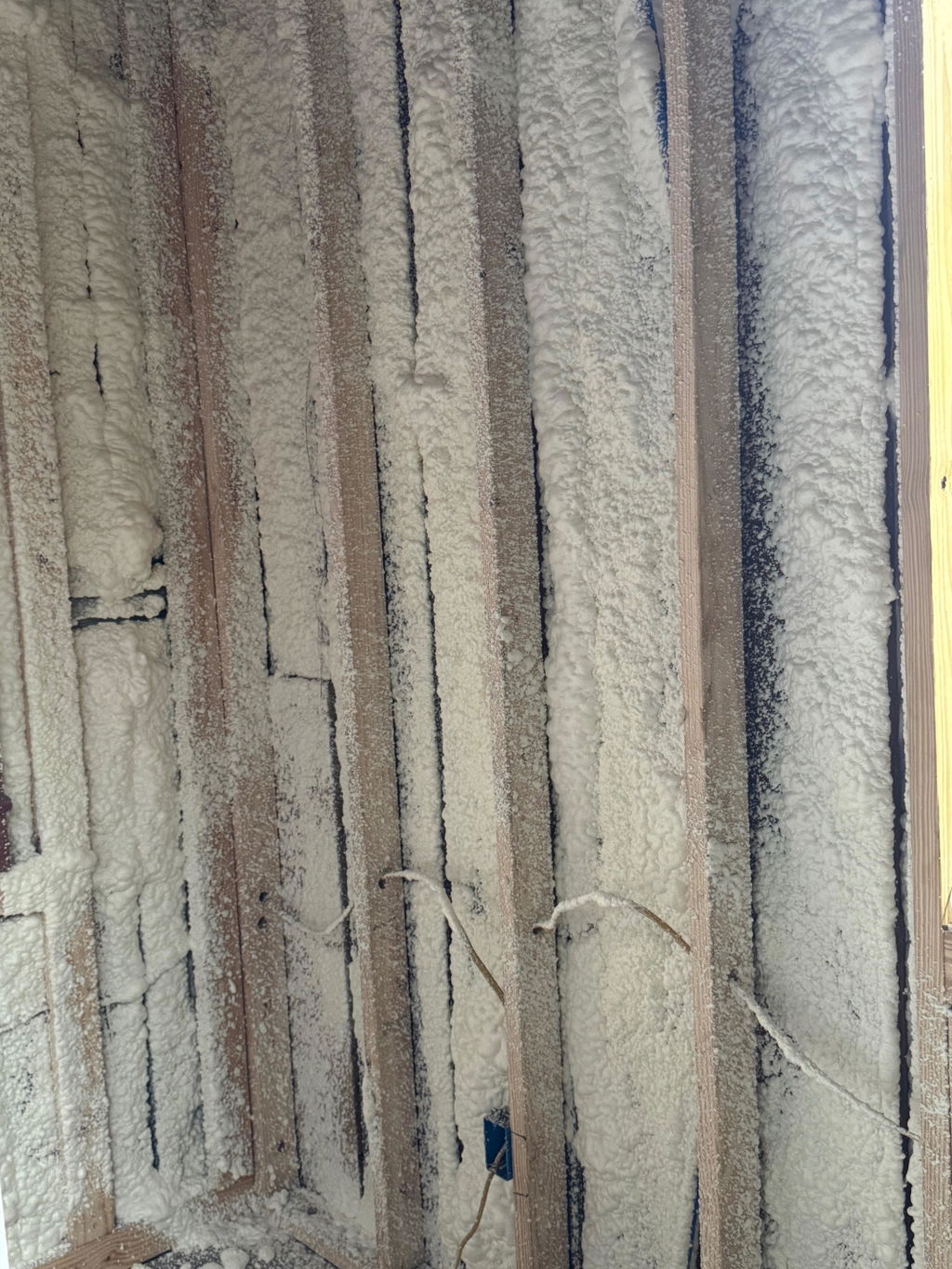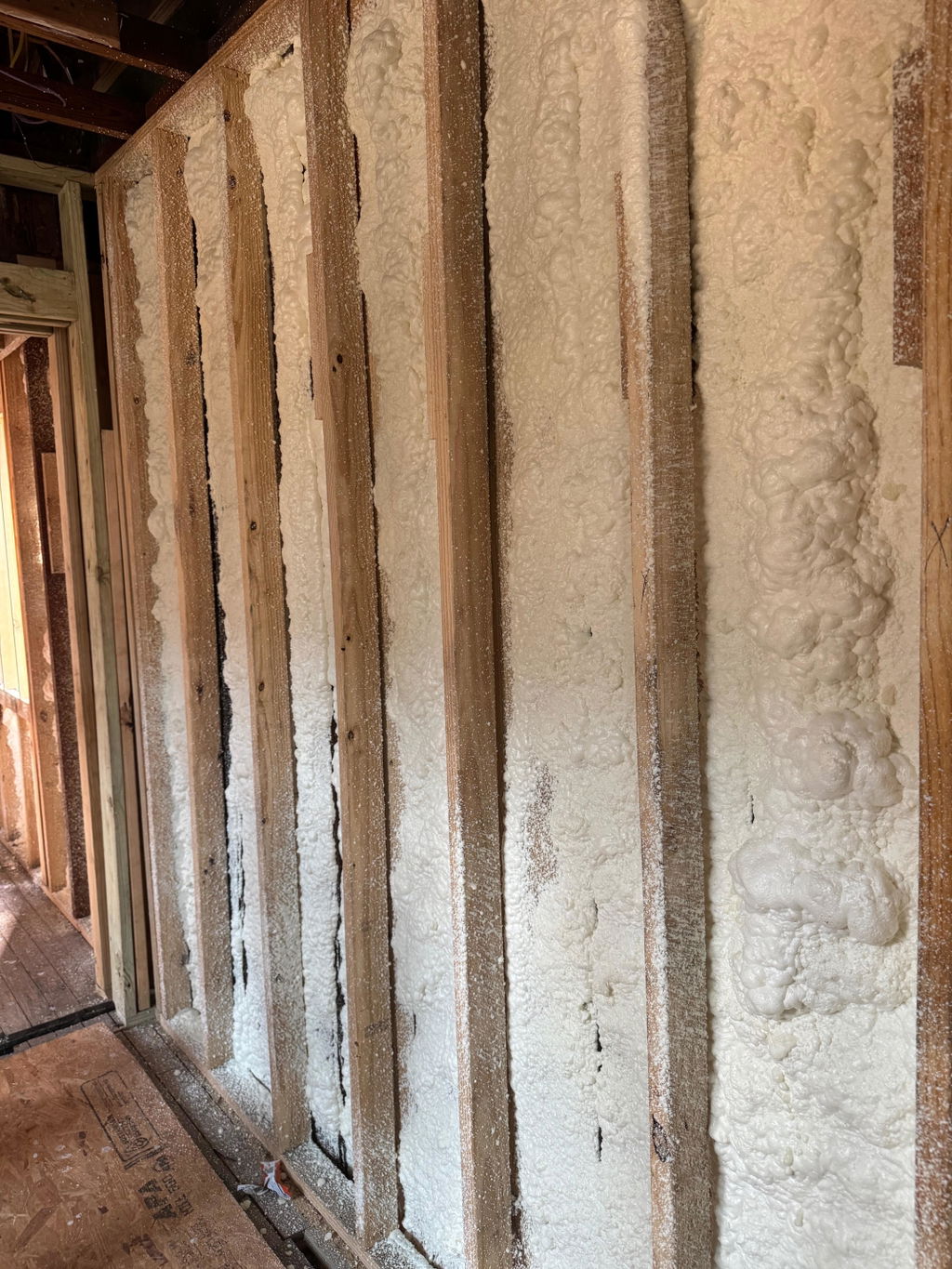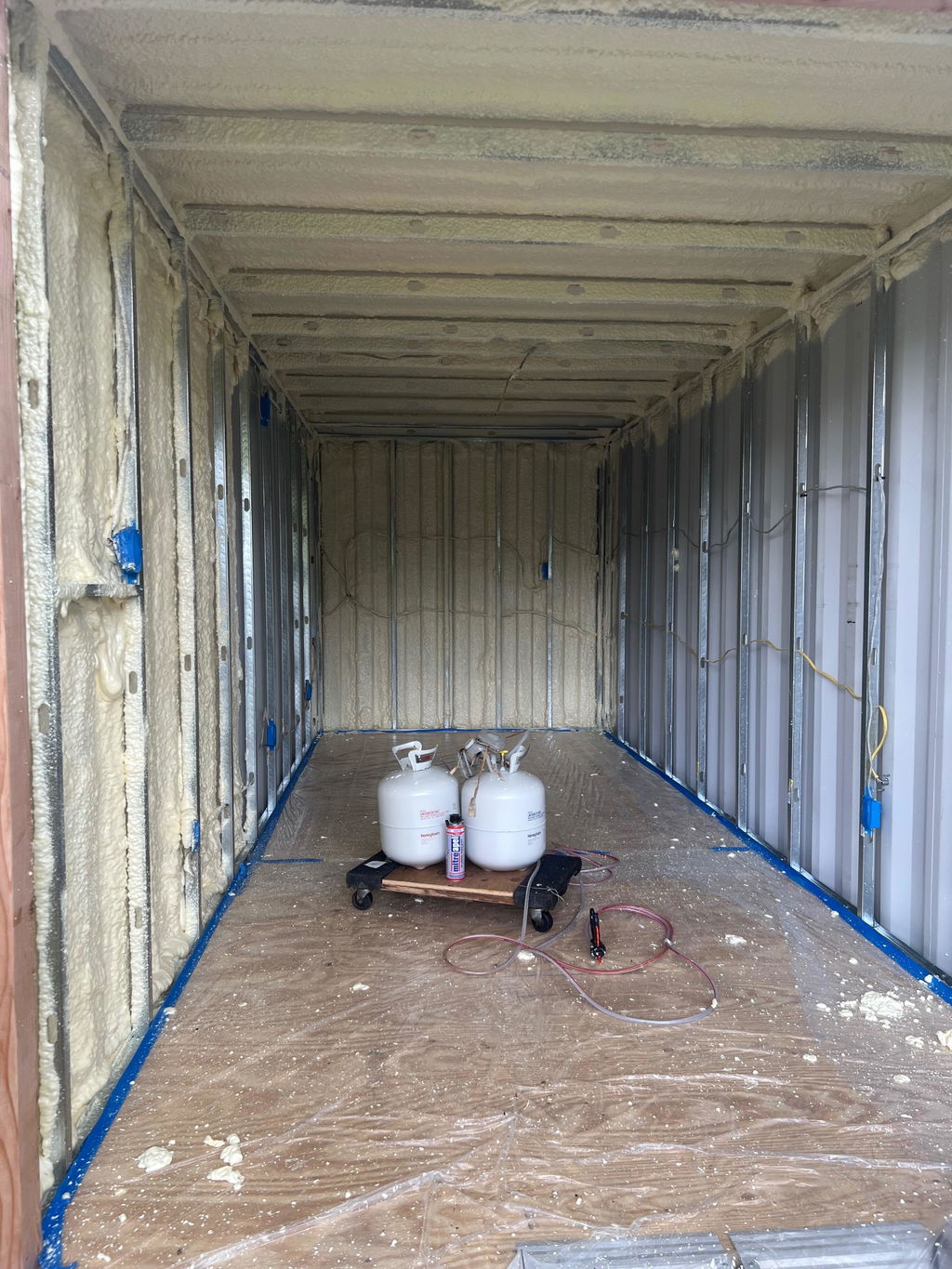
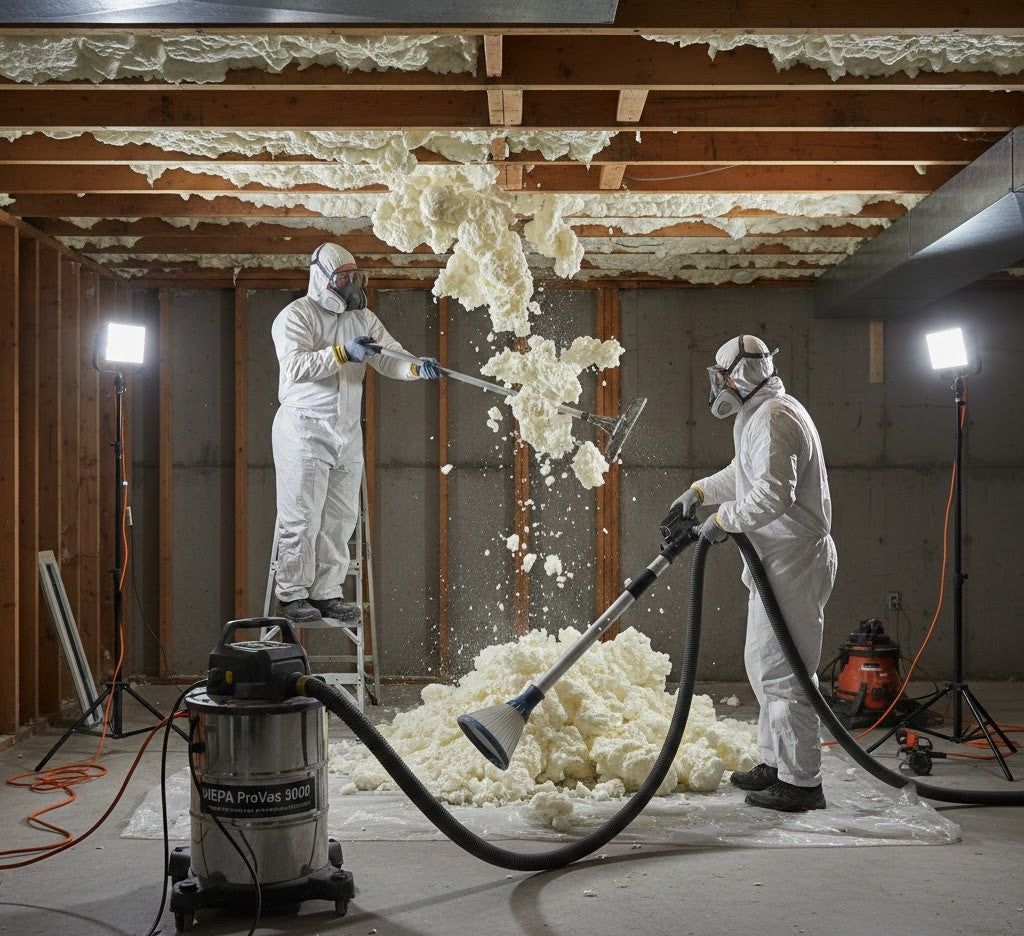
Open-cell spray foam insulation is widely used in residential and light commercial construction because of its air-sealing ability, flexibility, and sound-dampening properties. However, there are situations where removal becomes necessary whether due to moisture problems, improper installation, remodeling, or health concerns.
This guide explains how to remove open-cell spray foam safely, with a strong focus on health protection, structural preservation, and regulatory best practices. Unlike surface-level tutorials, this article walks through the entire lifecycle of spray foam removal from evaluation and preparation to disposal and replacement so you can make informed, risk-aware decisions.
Key Takeaways
- Open-cell spray foam removal requires PPE, ventilation, and hand tools to prevent airborne particle exposure and structural damage.
- Moisture-damaged or mold-contaminated foam should not be removed without containment and professional-grade HEPA filtration systems.
- Cutting foam into small sections and continuous HEPA vacuuming minimizes debris spread and indoor air quality risks.
- Professional removal uses containment, negative air pressure, and code-aware cleanup to ensure safe re-insulation readiness.
Understanding Open-Cell Spray Foam Insulation

Open-cell spray foam is a low-density polyurethane insulation that expands aggressively when applied, filling gaps and cracks in walls, ceilings, and roof assemblies. Once cured, it remains soft and permeable, allowing moisture vapor to pass through while blocking uncontrolled air movement.
Key characteristics include-
- Density of approximately 0.5 lb per cubic foot
- High expansion rate (up to 100x its liquid volume)
- Vapor permeability
- Moderate R-value per inch
- Soft, compressible texture
Because of these properties, open-cell foam behaves very differently from rigid insulation materials. Its permeability is one of its biggest advantages but also one of its weaknesses when exposed to prolonged moisture. Many homeowners only realize this distinction when comparing spray foam performance types during repair or renovation projects.
Can You Remove Open-Cell Spray Foam?
Yes, open-cell spray foam can be removed but it is not a simple pull-and-peel process. Once cured, the foam bonds firmly to framing, sheathing, and drywall. There is no safe solvent that dissolves it without damaging surrounding materials, so removal relies on mechanical methods such as cutting, scraping, and controlled grinding.
The difficulty depends on thickness, location, and how aggressively it adhered during installation. Small sections can be handled with careful manual work, while large attic or roof deck removals often require professional equipment. Proper containment and respiratory protection are essential throughout the process.
When Should You Remove Open-Cell Spray Foam?

Removal is typically necessary in specific circumstances.
1. Water Damage
Open-cell foam absorbs moisture. If roof leaks occur, water can saturate the foam and remain trapped against wood sheathing. Over time, this can compromise structural integrity.
2. Mold Growth
Moisture accumulation can lead to mold behind or within the foam layer. Removal may be required before remediation.
Health concerns related to exposure are discussed in detailed guidance on spray foam safety considerations, particularly when improper curing or ventilation occurred during installation.
3. Improper Installation
Issues may include:
- Over-expansion causing drywall bowing
- Gaps or voids
- Incomplete curing
- Incorrect thickness
4. Renovation or Rewiring
Electrical upgrades, plumbing changes, or structural alterations may require foam removal for access.
Safety Risks of Removing Spray Foam

Cured spray foam is stable, but cutting and scraping it releases dust and fine particles into the air. In enclosed areas like attics or crawlspaces, that dust can quickly affect air quality.
Respiratory protection is essential. The Occupational Safety and Health Administration (OSHA) outlines requirements in its Respiratory Protection Standard (29 CFR 1910.134), which explains proper respirator use when airborne particles are present. The National Institute for Occupational Safety and Health (NIOSH) also provides practical guidance on choosing the right respirator, including P100 filters for fine particulates.
If removal exposes moisture damage or mold, follow the Environmental Protection Agency (EPA) recommendations for mold cleanup and indoor air quality before continuing work.
Primary Risks
- Inhaling dust and foam particles
- Eye and skin irritation
- Poor indoor air quality
- Hidden structural damage
- Mold exposure if moisture is present
Proper containment, ventilation, and PPE significantly reduce these risks.
Tools and Safety Equipment Required

Proper equipment reduces health risk and improves efficiency.
Personal Protective Equipment (PPE)
- NIOSH-approved respirator (P100 or equivalent)
- Safety goggles
- Nitrile or cut-resistant gloves
- Disposable coveralls
- Hearing protection (if using power tools)
Removal Tools
- Utility knife
- Oscillating multi-tool
- Reciprocating saw (careful use)
- Insulation scraper
- Pry bar (if necessary)
- HEPA-rated vacuum
Step-by-Step: How to Remove Open-Cell Spray Foam Safely
Follow this sequence to minimize risk and damage.
Step 1: Prepare and Contain the Area
Before cutting into foam:
- Turn off HVAC systems
- Seal vents with plastic sheeting
- Isolate the workspace with polyethylene barriers
- Remove loose items
Containment reduces dust migration.
Step 2: Wear Proper PPE
Do not begin removal without full protective equipment.
Respirators should fit properly and be rated for fine particulates. Dust masks are not sufficient.
Step 3: Cut Foam Into Manageable Sections
Use a utility knife or oscillating multi-tool to slice foam into strips.
Cut slowly to avoid damaging wood framing. Open-cell foam tears easily, but deeper bonded areas may resist cutting.
Work in sections no wider than 12–18 inches.
Step 4: Scrape the Foam From the Substrate
After cutting:
- Pull large sections by hand
- Use a rigid scraper to detach bonded foam
- Apply steady pressure
Avoid gouging structural members.
Step 5: Use Mechanical Tools for Stubborn Areas
In tight corners or heavily adhered spots:
- Use an oscillating tool with a flat blade
- Grind lightly if necessary
Power tools increase dust. Maintain containment.
Step 6: HEPA Vacuum and Clean Thoroughly
Vacuum all surfaces using a HEPA-rated vacuum.
Standard shop vacuums may recirculate fine particles. HEPA filtration captures small dust fragments.
Wipe down surfaces with damp cloths after vacuuming.
Step 7: Inspect Structural Components
Check for:
- Moisture damage
- Mold growth
- Rotting wood
- Electrical damage
Repair underlying issues before re-insulating. If planning to reinstall insulation, evaluate material differences outlined in a comparison of foam insulation types to determine the appropriate solution.
Step 8: Dispose of Removed Foam Properly
Open-cell foam is typically classified as construction waste, not hazardous waste.
Check local disposal regulations before landfill transport.
DIY vs Professional Removal
Some small sections of open-cell foam can be removed carefully by homeowners. Larger projects, especially in attics or roof decks, are more demanding and carry higher risk.
Professional contractors often follow standards developed by the Spray Polyurethane Foam Alliance (SPFA), including their technical guidance documents, which outline safe handling and removal practices.
When DIY May Be Appropriate
- Small, accessible areas
- No mold or water damage
- Proper PPE and containment available
When to Hire a Professional
- Full attic or large-area removal
- Visible mold or structural issues
- Tight or poorly ventilated spaces
Estimated Cost Comparison
|
Project Type |
Typical Cost Range |
|
Small DIY area |
$0.50–$1.50 per sq ft |
|
Professional removal |
$2–$4 per sq ft |
|
Mold + foam remediation |
$4–$8 per sq ft |
For large-scale or contaminated projects, professional removal reduces health risks and helps protect structural components.
How to Remove Spray Foam From Different Materials
Open-cell spray foam bonds differently depending on the surface beneath it. Using the right removal method for each material helps prevent structural damage and reduces cleanup time.
Below is how removal typically varies by surface type.
Removing Spray Foam From Wood Framing
Wood is the most common substrate. Foam expands into the grain, creating a tight bond.
Recommended method:
- Cut foam flush with studs using a utility knife or oscillating tool
- Pull away larger sections by hand
- Scrape remaining residue carefully
Avoid cutting too deeply into framing members.
Removing Spray Foam From Roof Decking
Roof sheathing requires extra care to avoid structural damage.
Best practice:
- Slice foam into narrow strips
- Scrape gently along the wood grain
- Avoid prying that could crack or lift decking
Inspect for moisture damage before reinstalling insulation.
Removing Spray Foam From Metal
Foam adheres less aggressively to metal but can leave residue.
Effective steps:
- Cut and peel larger sections
- Use a scraper with moderate pressure
- Avoid heavy grinding that damages protective coatings
Protecting metal finishes helps prevent corrosion.
Removing Spray Foam From Concrete
Concrete forms a strong bond with foam.
Typical approach:
- Cut foam into manageable sections
- Scrape firmly with a heavy-duty tool
- Light grinding for stubborn spots
Grinding produces more dust, so proper containment and HEPA filtration are important.
How to Dispose of Spray Foam Insulation

Once removed, cured open-cell spray foam is typically treated as construction and demolition (C&D) debris. In most areas, it is not classified as hazardous waste. However, local regulations can vary, so confirm disposal requirements before transporting materials.
Place loose foam debris in heavy-duty contractor bags to control dust. For larger quantities, use a covered dumpster or trailer to prevent particles from spreading during transport.
Basic Disposal Steps
- Ensure the foam is fully cured.
- Double-bag smaller debris pieces.
- Keep foam separate from recyclable materials.
- Deliver waste to an approved construction landfill.
If mold contamination was present, follow the Environmental Protection Agency (EPA) guidance on mold cleanup and disposal practices, as additional handling precautions may apply.
Preventing Future Removal Issues
Preventative measures reduce the likelihood of future removal.
During Installation
- Ensure proper substrate moisture levels
- Maintain correct temperature during application
- Follow manufacturer thickness recommendations
Ventilation
Maintain adequate airflow in attics and crawlspaces to reduce moisture accumulation.
Regular Inspections
Check annually for:
- Roof leaks
- Water stains
- Odors
Persistent installation concerns or large-scale remediation questions can be directed to insulation specialists through a dedicated project consultation expert like VB Insulation.
Open-Cell vs Closed-Cell Removal Differences
|
Factor |
Open-Cell |
Closed-Cell |
|
Density |
Low |
High |
|
Removal Difficulty |
Moderate |
High |
|
Absorbs Water |
Yes |
No |
|
Mechanical Cutting |
Easier |
Harder |
Closed-cell foam is denser and significantly more difficult to remove.
Making the Right Decision for Safe Spray Foam Removal
Removing open-cell spray foam safely requires more than tools it requires planning, protective equipment, and a clear understanding of the risks involved. While small surface areas may be manageable, large-scale removal inside enclosed cavities is best left to trained professionals.
If you need expert guidance or insulation support, Connect with VB insulation Team for project-specific recommendations. For long-term insulation solutions backed by product expertise, VB Insulation provides materials and technical support aligned with safety, performance, and building standards.
Frequently Asked Questions
1. Can open-cell spray foam be removed without damaging drywall?
Yes, open-cell spray foam can be removed without damaging drywall if it was applied correctly and removed using hand tools.
- Damage risk increases when foam is over-expanded or bonded directly to paper-facing
- Hand scraping is safer than cutting close to drywall
- Removing in thin layers reduces tearing of drywall surfaces
- Full drywall replacement may still be required if moisture damage is present
2. How long does it take to remove open-cell spray foam?
Removal time depends on the area size, accessibility, and foam condition.
- Small exposed sections: a few hours
- Attic or wall cavities: 1–3 days
- Moisture- or mold-affected areas: longer due to containment and drying
- Professional crews complete removal faster due to equipment and experience
3. Does removing open-cell spray foam release toxic chemicals?
Cured open-cell spray foam does not release toxic chemicals, but removal can generate irritating airborne particles.
- Dust and foam fragments can irritate lungs and eyes
- Poor ventilation increases exposure risk
- Respiratory protection significantly reduces health impact
- Mold-contaminated foam poses additional respiratory concerns
7. Can open-cell spray foam be reused after removal?
No, removed open-cell spray foam cannot be reused once detached from its original surface.
8. When should professionals be hired?
If foam is mold-contaminated, widespread, or embedded around utilities.