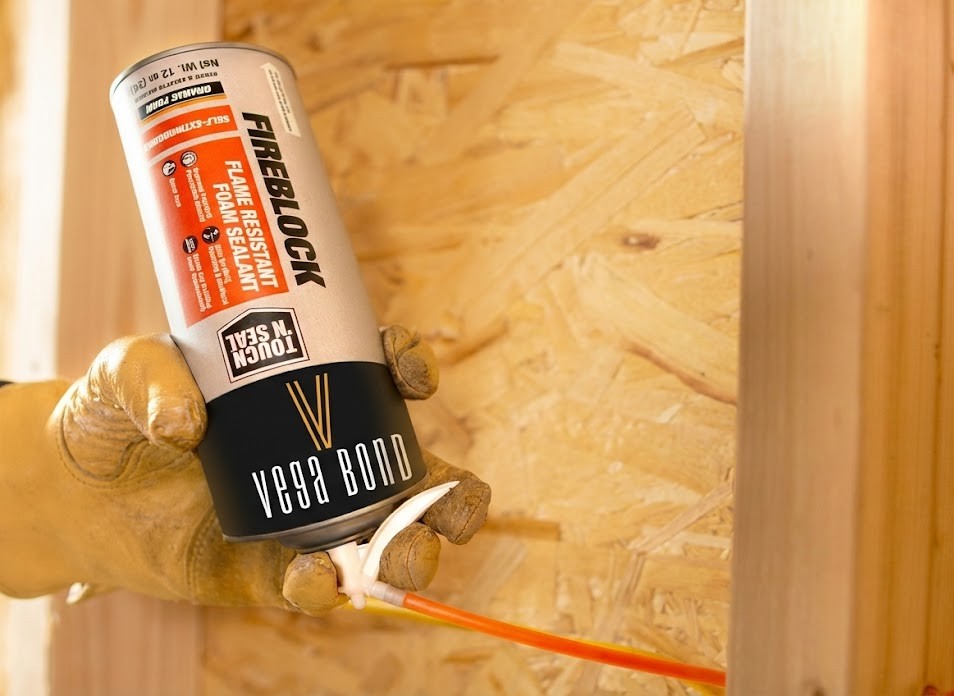
Fire block foam is commonly used to slow the spread of fire and smoke through concealed spaces, yet improper use is a frequent cause of inspection failures and fire-safety issues.
These problems usually stem from misunderstanding where fire block foam is permitted, confusing it with firestop systems, or applying it incorrectly within wall and ceiling assemblies.
When used as intended and aligned with building code requirements, fire block foam supports effective passive fire protection and helps maintain inspection compliance.
Key Takeaways
-
Fire block foam limits flame and smoke spread in concealed spaces but does not provide a fire-resistance rating.
-
Fire block foam is permitted for residential fire blocking, not for maintaining fire-rated walls or floors.
-
Common fire block foam mistakes include overfilling cavities, misusing standard spray foam, and ignoring code requirements.
-
Code compliance depends on proper placement, controlled application, and meeting flame-spread and smoke-development test standards.
Understanding Fire Block Foam
Fire block foam is a fire-resistant expanding polyurethane foam designed to seal small gaps and penetrations in framing assemblies. Its purpose is to limit flame and smoke migration, not to provide a fire-rated barrier.
Professionals often rely on purpose-specific fire-resistant foam options to ensure compliance with residential fire-blocking requirements.
Fire Block Foam vs Firestop Foam

Confusing fire block foam with firestop foam is one of the most serious and common errors.
|
Feature |
Fire Block Foam |
Firestop Foam |
|
Primary use |
Residential fire blocking |
Rated firestop systems |
|
Fire rating |
No hourly rating |
Tested hourly ratings |
|
Typical locations |
Stud bays, top plates |
Rated walls and floors |
|
Code role |
Limits flame spread |
Maintains fire-rated assemblies |
Understanding this distinction prevents improper substitutions that can lead to inspection failures.
Why Fire Block Foam Mistakes Are a Serious Issue
Incorrect use of fire block foam has consequences beyond workmanship quality.
Common risks include:
- Increased fire and smoke spread
- Non-compliance with building codes
- Failed inspections and rework costs
- Reduced occupant safety
- Liability exposure after fire incidents
These risks make correct selection and installation essential.
Most Common Fire Block Foam Mistakes & How to Avoid Them
1. Using Fire Block Foam Where Firestop Foam Is Required
Fire block foam is often mistakenly used in rated wall or floor assemblies.
Why this is a problem
- Fire block foam does not carry a tested fire-resistance rating
- Rated assemblies require listed firestop systems
How to avoid it
- Confirm whether the assembly is fire-rated
- Use tested firestop materials where ratings apply
2. Treating Fire Block Foam Like Standard Spray Foam
Fire block foam is sometimes replaced with standard expanding foam, assuming similar performance. The foam safety differences between these materials are significant.
How to avoid it
- Verify flame-spread and smoke-development ratings
- Never substitute based on appearance or expansion behavior
3. Overfilling Cavities and Penetrations
Excessive foam application can cause:
- Framing distortion
- Pressure on wiring
- Improper curing
How to avoid it
- Apply in controlled passes
- Allow partial expansion before adding material
- Follow manufacturer bead-size guidance
4. Applying Foam to Dirty or Damp Surfaces
Poor surface conditions prevent proper adhesion and sealing.
How to avoid it
- Remove dust, oil, and debris
- Ensure surfaces are dry before application
5. Covering Foam Before Full Cure
Premature covering can compromise foam performance.
How to avoid it
- Observe recommended cure times
- Maintain proper temperature during curing
6. Using Fire Block Foam as Structural Support

Fire block foam is not designed to carry loads or stabilize framing.
How to avoid it
-
Use foam only for sealing gaps
-
Address structural issues with approved materials
7. Assuming “Fire Block” Means Fireproof
Fire block foam slows fire spread; it does not stop fire indefinitely.
How to avoid it
-
Treat fire block foam as a supplementary safety measure
-
Never rely on it as a fire barrier
8. Improper Use Around Electrical Wiring
Incorrect foam placement can interfere with electrical systems.
How to avoid it
- Avoid compressing conductors
- Maintain required clearances
- Follow electrical code provisions
9. Ignoring Manufacturer Instructions
Each formulation has specific limits and approved uses, including specialty products such as fire-resistant adhesive foam.
How to avoid it
- Follow product-specific installation guidance
- Respect temperature and expansion limits
10. Skipping Local Code Verification
Fire-blocking requirements vary by jurisdiction.
How to avoid it
- Confirm local adoption of the International Residential Code and International Building Code
- Coordinate with inspectors when uncertain
Best Practices for Proper Fire Block Foam Use

Before application
- Identify whether fire blocking or fire stopping is required
- Select listed fire block foam approved for the location
During installation
- Apply controlled amounts
- Seal all penetrations completely
- Avoid over-expansion
After application
- Allow full cure time
- Inspect all sealed areas before closing walls
Fire block foam is often used alongside compatible insulation materials. In many residential assemblies, this includes open-cell insulation systems that allow proper sealing without compromising flexibility.
Fire Block Foam and Code Compliance

Fire block foam is regulated by building codes to ensure it performs its intended role slowing the spread of fire and smoke through concealed spaces without being mistaken for a fire-rated protection system. Code compliance depends on where the foam is used, how it is tested, and what function it is serving within the assembly.
How Building Codes Treat Fire Block Foam
Under the International Residential Code (IRC), fire block foam is permitted as a fire-blocking material in specific residential applications. These include sealing:
-
Penetrations at top and bottom plates
-
Stud cavities at floor and ceiling transitions
-
Small gaps around plumbing, wiring, and duct penetrations
The intent of fire blocking in the IRC is to limit concealed draft openings, not to create a fire-resistance-rated barrier. Because of this, fire block foam is allowed only when it meets flame-spread and smoke-development limits defined by standardized testing.
In contrast, the International Building Code (IBC) governs commercial and multi-family construction and places stricter requirements on fire-resistance-rated assemblies. In these cases, fire block foam alone is not sufficient where a fire-rated wall or floor system is required.
Fire Testing and Performance Requirements
For a fire block foam to be code compliant, it must demonstrate acceptable performance in recognized fire tests. These tests evaluate how materials behave when exposed to flame and heat, particularly in terms of flame spread and smoke production.
Independent testing is typically conducted following standards published by ASTM International, such as surface burning characteristics tests used for building materials. Products that meet these criteria may then be listed or classified by third-party certification bodies.
Listings and classifications from Underwriters Laboratories help inspectors and builders verify that a specific foam product complies with applicable code requirements for fire blocking.
What Fire Block Foam Is Not Approved For
Even when properly tested, fire block foam is not approved for:
-
Maintaining fire-resistance ratings in walls or floors
-
Replacing listed firestop systems
-
Sealing large penetrations in rated assemblies
Using fire block foam in these situations is a common cause of inspection failure because it does not preserve the integrity of fire-rated construction.
Why Code Compliance Matters
Code-compliant use of fire block foam:
- Reduces fire and smoke spread within concealed spaces
- Helps meet inspection requirements
-
Aligns installations with tested fire-safety principles
-
Prevents misapplication that can compromise life safety
For additional fire-safety education and code intent explanations, guidance published by fire-protection organizations such as the National Fire Protection Association (NFPA) provides useful background on passive fire protection and fire-blocking strategies.
Best Practices for Safe Fire Block Foam Use
Most fire block foam mistakes result from misunderstanding the product’s purpose or applying it outside its intended use. Correct selection, controlled application, and adherence to building codes are essential for both safety and compliance.
For product guidance, code clarification, or installation support, you can Connect with VB insulation Team or learn more about fire-safe building solutions from VB Insulation.
Frequently Asked Questions
1. Can fire block foam be used in exterior walls?
Yes, but only in limited interior-facing applications.
-
Fire block foam is intended for sealing interior concealed spaces, not exterior weather barriers
-
It does not replace exterior air barriers or moisture-control systems
-
Use must align with the wall assembly design and local code requirements
2. Does fire block foam stop smoke as well as fire?
Yes, smoke control is one of its primary functions.
-
Fire block foam helps reduce smoke migration through wall cavities
-
Smoke spread often causes more damage than flames during a fire
-
Effectiveness depends on proper application and complete sealing
3. Can fire block foam be used around gas lines?
Yes, but only if the product is approved for that use.
-
Some foams are compatible with gas line penetrations
-
Others may react chemically or restrict line movement
-
Manufacturer approval is required before use
4. Is fire block foam acceptable for sealing attic penetrations?
Yes, attic penetrations are a common approved use.
-
Sealing top plates helps slow vertical fire spread
-
Gaps around wiring and plumbing are typical applications
-
Foam must not interfere with ventilation or clearances
5. How long does fire block foam last once installed?
Fire block foam is designed to be permanent.
-
It does not degrade under normal indoor conditions
-
Performance depends on correct installation and curing
-
Damage typically occurs only from physical disturbance or moisture intrusion
6. Can fire block foam be painted over?
Yes, after it has fully cured.
-
Most fire block foams accept paint once cured
-
Paint does not affect fire performance when applied properly
-
Curing time must be respected before finishing
7. Is fire block foam safe for use in occupied homes?
Yes, once cured it is considered inert.
-
Off-gassing occurs only during application and curing
-
Proper ventilation is recommended during installation
-
After curing, it does not release harmful fumes
8. Do inspectors check fire block foam during framing or final inspection?
Yes, it is commonly checked at both stages.
-
Framing inspections often verify fire blocking locations
-
Final inspections may check penetrations before wall coverings
-
Improper foam use can delay approvals
9. Can fire block foam be removed if installed incorrectly?
Yes, but removal can be time-consuming.
-
Cured foam must be mechanically cut or scraped
-
Removal may damage surrounding materials
-
Correct installation the first time avoids rework
10. Is fire block foam required in every wall cavity?
No, it is only required in specific locations.
-
Codes require fire blocking at defined concealed spaces
-
Not every stud bay needs foam
-
Overuse does not improve safety and may cause issues