The amount of expanding packaging foam you need per box depends on the empty space inside the box, the product size, the item weight, and the foam’s expansion rate. In most cases, you do not need to fill the entire box with foam. You need enough foam to cushion the item, stop movement, and protect the product from impact during shipping.
Expanding packaging foam is most useful when a product is fragile, heavy, irregularly shaped, or expensive to replace. It creates a custom cushion around the item instead of relying only on loose void fill. The goal is simple: keep the product centered, supported, and protected from shock, vibration, and compression.
Key Takeaways
- Expanding packaging foam quantity depends on box volume, product volume, void space, foam expansion ratio, weight, and fragility.
- Most boxes need foam on the bottom, sides, corners, and top, not every cubic inch of empty space.
- A tight, properly sized box reduces foam usage and packaging cost.
- Heavy items need stronger bottom support because they compress foam more during transit.
- Fragile items need thicker cushioning and better blocking and bracing.
- Too much foam can waste material, bulge the box, and put pressure on the product.
What Is Expanding Packaging Foam?
Expanding packaging foam is a protective foam material that expands after activation and forms a custom cushion around a product. Businesses often use protective packing foam for fragile items, electronics, tools, glassware, ceramics, parts, and high-value goods. It helps fill critical voids while blocking and bracing the item inside the shipping box.
This type of foam is also called foam-in-place packaging, expandable packaging foam, polyurethane packaging foam, or shipping foam. It can come in foam bags, pouches, or dispensing systems used in warehouse packing stations. Once activated, the foam expands, cures, and conforms to the shape of the product.
Expanding Packaging Foam vs. Spray Foam Insulation
Expanding packaging foam and spray foam insulation both expand, but they are used for different purposes. Packaging foam is designed for cushioning, blocking, bracing, and shipping protection. Insulation foam is designed for air sealing, thermal resistance, and building envelope performance, which is why understanding spray foam basics helps prevent confusion between the two materials.
Packaging foam should protect the product without bonding permanently to it. Spray foam insulation, on the other hand, is applied to walls, roofs, gaps, and building cavities. This difference matters because using the wrong foam type can create product damage, difficult unpacking, or poor shipping performance.
How Much Expanding Foam Should You Use?

You need enough expanding packaging foam to immobilize the product and create a protective cushion around key contact points. For most boxes, that means a bottom cushion, side support, corner protection, and a top cushion. The exact quantity depends on the box size, item size, foam expansion ratio, product weight, and fragility.
A practical way to estimate foam use is to calculate the empty space inside the box. Then decide how much of that space needs actual cushioning instead of simply filling the entire box. The same volume-first mindset used in foam coverage math can help you think more clearly about yield, coverage, and material waste.
Use these questions before packing:
- Is the item fragile?
- Is the product heavy?
- Does the item have sharp edges?
- Is the box much larger than the product?
- Does the item need corner protection?
- Will the product shift if the box is shaken?
- Does the foam product list an expansion ratio or yield?
How to Calculate Expanding Packaging Foam Per Box
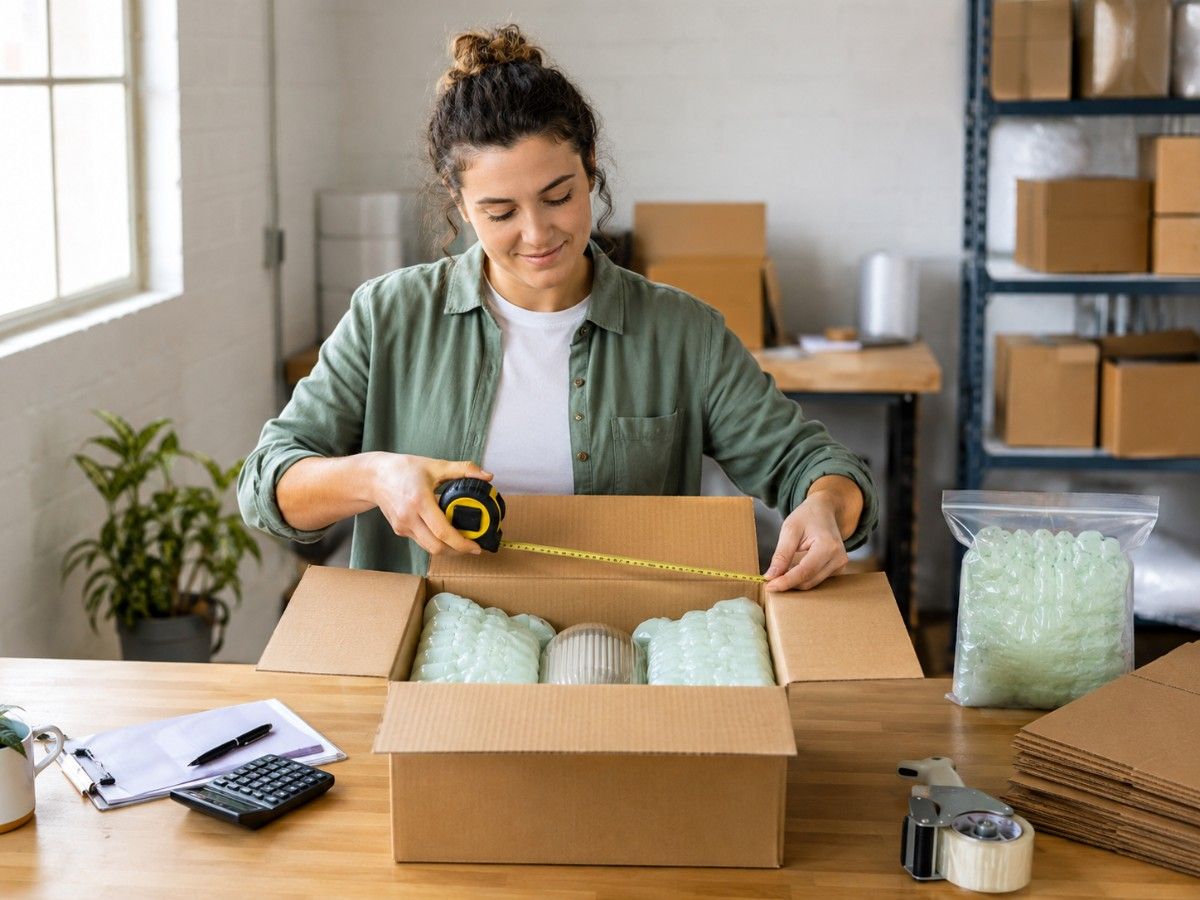
The easiest way to estimate expanding foam per box is to start with volume. Measure the inside dimensions of the box, then estimate the product’s outside dimensions. The difference between those two volumes gives you the available void space.
However, void space does not always equal foam needed. Foam packaging is not only a filler material. It is a cushioning system that should absorb impact, prevent movement, and protect the item from direct contact with the box walls.
Basic Foam Estimation Formula
|
Step |
Calculation |
Why It Matters |
|
1. Measure box volume |
Internal length × internal width × internal height |
Shows the total usable space inside the box |
|
2. Estimate product volume |
Product length × product width × product height |
Shows how much space the item occupies |
|
3. Find void space |
Box volume - product volume |
Shows the empty space around the item |
|
4. Decide cushion coverage |
Bottom + sides + corners + top |
Shows where foam is actually needed |
|
5. Adjust for expansion |
Cushion volume ÷ foam expansion ratio |
Helps estimate how much unexpanded foam to use |
For irregular products, use the closest rectangular dimensions. This gives you a practical estimate, even when the item has curves, handles, gaps, or uneven surfaces. If the item is very fragile or expensive, increase the foam coverage rather than relying on a minimal cushion.
Example: Expanding Foam Calculation for One Box
Let’s say your shipping box has internal dimensions of 16 inches long, 12 inches wide, and 10 inches high. The product inside the box is approximately 10 inches long, 8 inches wide, and 6 inches high. This example helps show why foam quantity depends on both the box and the product.
Example Box and Product Volume
|
Measurement |
Formula |
Result |
|
Box volume |
16 × 12 × 10 |
1,920 cubic inches |
|
Product volume |
10 × 8 × 6 |
480 cubic inches |
|
Available void space |
1,920 - 480 |
1,440 cubic inches |
|
Foam coverage needed |
Partial void fill |
Depends on protection level |
|
Final foam amount |
Cushion volume ÷ expansion ratio |
Depends on foam product |
In this example, the total empty space is 1,440 cubic inches. That does not mean you should fill all 1,440 cubic inches with expanding foam. Instead, you should apply enough foam to create a bottom cushion, support the sides, protect the corners, and secure the top.
A light and durable item may need only moderate foam support. A fragile glass item or heavy mechanical part may need a thicker cushion and more complete blocking. If you use fast-reacting two-component materials in other applications,fast-rise foam kits show why expansion speed, cure behavior, and yield should always be checked before use.
Should Expanding Foam Fill the Entire Box?
No, expanding packaging foam should not automatically fill the entire box. The purpose of foam is to cushion and immobilize the item, not simply pack every open space. Overfilling can waste material, create pressure inside the carton, and make the package harder to open.
The better approach is controlled cushioning. The product should not rattle, shift, or touch the box wall during normal handling. The foam should hold the item in place while still allowing enough cushion thickness to absorb shock.
Use foam in these areas first:
- Bottom cushion under the product
- Side gaps where movement can occur
- Corners that need impact protection
- Top cushion before sealing the box
- Open spaces around irregular product shapes
- Load-bearing points under heavy items
Factors That Affect How Much Packaging Foam You Need

Several variables change how much expanding foam is required per box. The most important factors are box fit, product weight, product fragility, foam expansion ratio, and desired cushion thickness. A box that is too large will almost always require more foam than a box that fits the product correctly.
Foam density also matters. A light product may only need enough support to prevent movement. A heavy product may need denser foam or thicker bottom cushioning to prevent compression during drops and transit vibration.
Foam Quantity Guide by Packaging Situation
|
Packaging Situation |
Foam Usage Level |
What to Do |
|
Small durable item in a tight box |
Low |
Use foam only at key contact points |
|
Fragile item in a standard box |
Medium to high |
Cushion bottom, sides, corners, and top |
|
Heavy item in a shipping carton |
High |
Add thicker support under the item |
|
Irregular-shaped product |
Medium to high |
Let foam conform around uneven areas |
|
High-value product |
High |
Use more complete foam-in-place protection |
|
Oversized box with small product |
Very high |
Use a smaller box if possible |
A well-sized box reduces foam use and improves packaging efficiency. A box that is too large increases void space, material cost, and dimensional weight. If your operation also uses project-based foam materials, choosing the right insulation kit range shows why product size and coverage planning should match the job.
Product Weight and Fragility Matter
Product weight affects foam performance because heavy items compress cushioning material more aggressively. If the foam layer is too thin, the product may bottom out and hit the box wall during a drop. This is why heavy tools, metal parts, machinery components, and dense equipment need stronger support beneath the item.
Fragility changes the amount of cushion needed around the item. Glass, ceramics, electronics, medical devices, and precision instruments usually need more complete protection. These products should be blocked, braced, and suspended so impact energy is absorbed by the foam instead of the product.
Consider extra foam when the item has:
- Breakable corners
- Delicate surfaces
- Internal electronics
- Sharp or uneven edges
- High replacement cost
- Low tolerance for vibration
- Sensitive finishes or coatings
Box Size and Void Space Control Foam Cost
Box size is one of the biggest factors in foam usage. A larger box creates more empty space, which usually requires more cushioning material. Better carton sizing can reduce foam consumption, shipping cost, and packing time.
A box should leave enough space for protective cushioning without creating unnecessary voids. If the product is too close to the wall, there may not be enough cushion thickness for shock absorption. If the product sits in a box that is far too large, the packer may need excessive foam to prevent movement.
A good packaging fit usually includes:
- Enough clearance for bottom cushioning
- Enough side space for blocking and bracing
- Enough top space for a final foam layer
- No large empty corners unless needed
- No direct contact between fragile products and box walls
Foam Expansion Ratio and Yield
Foam expansion ratio tells you how much the foam grows after activation. A small amount of unexpanded foam can become a much larger cushion after it expands. This is why you should always check the manufacturer’s yield, bag size, or dispensing guidance before packing.
Different foam products expand at different rates. Some foam bags are designed for small packages, while larger bags or dispensing systems are better for heavier products and larger cartons. If your workflow uses controlled application tools, foam gun applicators can help show how dispensing control affects material placement and consistency.
Expansion ratio also affects overpacking risk. Too much expanding foam can push against the product or box as it grows. This may cause carton bulging, product pressure, or wasted material.
How Much Foam Do Fragile Items Need?
Fragile items usually need more expanding foam because they require shock absorption on multiple sides. The foam should protect the bottom, top, sides, and corners of the item. The item should stay fixed in place when the sealed box is gently shaken.
For fragile products, the most important goal is preventing direct impact. The product should not touch the corrugated wall during drops, bumps, or conveyor movement. More complete cushioning is usually better than spot-filling only one side of the box.
Use more foam for fragile items when:
- The product is glass, ceramic, or electronic
- The item has thin walls or delicate parts
- The box will travel through parcel carriers
- The shipment has a high replacement cost
- The product has sharp corners or pressure-sensitive surfaces
How Much Foam Do Heavy Items Need?
Heavy items need stronger support because weight increases compression. The bottom cushion is especially important because it carries most of the load during handling and transit. If the foam is too soft or too thin, the product can sink into the cushion and lose protection.
Heavy items also need side support to prevent sliding. A dense object can build momentum inside a box if it is not blocked and braced. That movement can damage the product, tear the carton, or crush weaker packaging materials.
For heavy products, focus on:
- Thicker bottom foam
- Strong side blocking
- Reinforced corners
- A sturdy corrugated box
- Proper box weight rating
- Less empty space around the item
Common Mistakes When Using Expanding Packaging Foam

The most common mistake is using too much foam. More foam does not always mean better protection. Overfilling can cause pressure, waste material, increase cost, and make the package harder for the customer to open.
Another mistake is using too little foam. If the product moves inside the box, the foam has not done its job. Movement during shipping can lead to cracked corners, scratched surfaces, broken parts, and expensive returns.
Avoid these mistakes:
- Using an oversized box
- Ignoring product weight
- Forgetting the foam expansion rate
- Filling space without creating support
- Letting fragile products touch the box wall
- Using weak cartons for heavy items
- Skipping a shake test or drop test
Safety and Handling Tips
Expanding foam products should be handled according to the manufacturer’s instructions. Many foam products involve chemical activation, curing, pressure, or adhesive behavior. Proper handling helps protect workers, products, and packing stations.
Warehouse teams should use suitable gloves, eye protection, and ventilation when required. Safety needs vary by foam type, packaging system, and application environment. For teams that already work with foam products, safety gear choices are part of responsible material handling.
Good handling practices include:
- Follow the product instructions
- Do not over-activate foam bags
- Leave room for expansion
- Keep foam away from product surfaces when needed
- Protect delicate finishes from direct contact
- Let foam cure before aggressive handling
- Train packers on consistent foam placement
Expanding Foam vs. Bubble Wrap, Paper, and Air Pillows
Expanding packaging foam is best when the item needs custom-fit protection. Bubble wrap, paper, and air pillows can work for lighter products, but they may not support heavy or irregular items as well. Foam-in-place packaging is often better when the product has uneven shapes, high value, or greater damage risk.
Bubble wrap is useful for surface protection and light cushioning. Paper void fill is useful for blocking light movement in small gaps. Air pillows are useful for lightweight void fill, but they are usually not ideal for heavy products that need strong bracing.
Choose expanding foam when:
- The product is fragile
- The item is heavy
- The shape is irregular
- The shipment is high value
- Standard inserts do not fit
- The item needs custom cushioning
- Damage prevention is more important than lowest material cost
Buyer Guide: Choosing the Right Foam Amount and Format
The right foam format depends on your packing volume, product type, and box size. Low-volume shippers may prefer foam bags or pouches because they are simple to use. Higher-volume operations may need dispensing systems for speed, consistency, and cost control.
The right amount also depends on the product category. A small ceramic item may need full surrounding support, while a durable metal part may only need blocking and bracing. If your business also works with sealing or bonding materials, adhesive sealant products are a separate category and should not be confused with cushioning foam.
Before choosing foam, review:
- Product dimensions
- Product weight
- Product fragility
- Box dimensions
- Required cushion thickness
- Foam expansion ratio
- Packing speed
- Customer unboxing experience
- Storage space for packaging materials
Testing the Packed Box
Testing is important because calculations are only estimates. After the foam expands and the box is sealed, the product should not move when the box is gently shaken. If the item shifts, you need more support or a better box fit.
A basic test can reveal common problems before shipments leave the warehouse. Check for box bulging, weak corners, rattling, or product movement. If the box feels over-pressurized or distorted, too much foam may have been used.
Useful tests include:
- Gentle shake test
- Corner pressure check
- Carton bulge inspection
- Trial shipment review
- Drop test for fragile items
- Customer return analysis
- Damage rate tracking
Need Help Choosing the Right Expanding Packaging Foam?

VB Insulation helps businesses choose practical foam solutions for packaging, protection, insulation, sealing, and application needs. If you are unsure how much expanding foam your box requires, the right choice depends on your product size, shipping risk, box dimensions, and foam coverage needs.
Whether you are packing fragile goods, reducing material waste, or improving shipment protection, VB Insulation can help you compare suitable packing foam options, application tools, accessories, and safety products so your packaging process is more reliable and cost-effective.
FAQ:
How do I calculate how much expanding packaging foam I need?
Calculate expanding packaging foam by measuring the box volume, subtracting the product volume, and estimating how much of the remaining void space needs cushioning. The goal is not to fill every inch of empty space. The goal is to create enough bottom, side, corner, and top support to prevent movement and absorb impact.
Use these steps:
- Measure the internal box length, width, and height.
- Measure the product’s length, width, and height.
- Subtract product volume from box volume.
- Decide which areas need cushioning.
- Adjust for the foam’s expansion ratio.
Should expanding foam fill the whole shipping box?
No, expanding foam should not automatically fill the whole shipping box. It should fill the areas needed to cushion, block, and brace the product. Filling the entire box can waste material and may create pressure against the carton or product.
A properly packed item should stay in place without rattling. The foam should protect the product from drops, vibration, and side impact. The best result is secure cushioning, not maximum foam use.
How much foam do I need for fragile items?
Fragile items usually need foam on the bottom, sides, corners, and top. The item should be suspended or secured so it does not directly hit the box wall. More complete foam coverage is usually safer for glass, ceramics, electronics, and precision parts.
Use extra care with thin, delicate, or high-value products. These items are more likely to break from shock or vibration. A thicker cushion can help reduce damage during parcel handling.
Does a heavy product need more expanding foam?
Yes, a heavy product usually needs more or stronger expanding foam. Heavy items compress foam more than lightweight items. The bottom cushion should be thick and supportive enough to prevent the product from bottoming out.
Side support is also important for heavy goods. If the item slides inside the box, it can damage itself or break the carton. Blocking and bracing should hold the item steady during handling.
Can I use expanding packaging foam in any box?
No, expanding packaging foam should be used in a strong shipping box with enough space for cushioning. A weak box can bulge, tear, or fail when the foam expands or when the package is handled. A box that is too small may not leave enough room for shock protection.
Choose a carton that matches the product weight and shipping method. Fragile and heavy items often need stronger corrugated boxes. The foam and box should work together as a protective packaging system.