
Closed Cell vs Open Cell Foam: Pros, Cons, and Key Differences
Choosing between closed-cell and open-cell foam is one of the most important decisions you’ll make when selecting spray foam insulation for a home or commercial project. Each type of spray foam insulation performs differently when it comes to R-value, moisture resistance, sound control, cost, and installation method.
Whether you’re a homeowner planning a DIY insulation upgrade, a contractor bidding a job, or a builder looking for long-term energy efficiency, understanding the real differences between closed-cell spray foam and open-cell spray foam can save you money and prevent costly mistakes.
Key Takeaways
-
Closed-cell foam is denser and provides superior moisture resistance, while open-cell foam is more breathable and air-permeable.
-
Closed-cell foam offers higher insulation values (R-values) but can be more expensive, while open-cell foam is generally more cost-effective.
-
Acoustic performance varies, with closed-cell foam being better at sound absorption and open-cell foam performing better for sound transmission.
-
The choice between closed-cell and open-cell foam depends on your specific needs, such as moisture control, energy efficiency, and budget.
-
Proper installation is crucial for both foam types to ensure optimal performance and long-term effectiveness.
Choosing between closed-cell and open-cell foam is important for insulation. With the right info, you can make a choice that fits your project's needs. Let's look at the pros and cons of these foam insulation options.
What Is the Difference Between Closed Cell and Open Cell Spray Foam?
Closed-cell and open-cell spray foam are two insulation options with different benefits. It's important to know the main differences to pick the right one for your needs.
What Is Closed-Cell Spray Foam?
Closed-cell spray foam is a dense, rigid material. It's known for great insulation and resisting moisture. Its cells are tightly packed, creating a strong air barrier. This makes it perfect for insulating homes and businesses.
It's also very durable and helps block sound. This makes it a versatile choice for many projects.
What Is Open Cell Spray Foam?
Open-cell spray foam has a porous structure with smaller cells. This lets air and moisture move through it, making it breathable. It's cheaper than closed-cell foam and great for places needing air flow, like attics and walls.
The main differences between closed-cell and open-cell foam are in insulation, moisture resistance, and air barriers. Knowing these differences helps you choose the best foam for your project.

Closed Cell vs Open Cell Foam: Comparison Table
|
Feature |
Closed Cell Foam |
Open Cell Foam |
|
Foam Structure |
Dense, rigid foam with sealed cells |
Soft, flexible foam with open cells |
|
R-Value per Inch |
High (≈ R-6 to R-7 per inch) |
Moderate (≈ R-3.5 to R-4 per inch) |
|
Moisture Resistance |
Very high – acts as a moisture and vapor barrier |
Low – vapor permeable |
|
Air Sealing |
Excellent air barrier |
Good air sealing, not a vapor barrier |
|
Sound Performance |
Moderate – blocks sound transmission |
Excellent – absorbs sound and reduces echo |
|
Breathability |
Non-breathable |
Breathable |
|
Typical Applications |
Basements, crawl spaces, exterior walls, commercial use |
Attics, interior walls, residential interiors |
|
Cost |
Higher upfront cost |
Lower upfront cost |
|
Best Use Case |
Maximum insulation, moisture control, durability |
Sound control, airflow, affordability |
Closed Cell vs Open Cell Foam: The Density Difference
Closed cells and open-cell foam have a big difference in density. This difference affects how well they work and what they're best used for. Let's look at how their densities affect their properties.
Closed-cell foam is denser than open-cell foam. It has a non-porous, dense structure. This makes it have a higher density, between 1.7 to 6 pounds per cubic foot (lb/ft³). This density makes it strong and good for supporting weight, like in walls, roofs, and floors.
Open-cell foam is less dense and more porous. It weighs between 0.5 to 2 lb/ft³. This makes it light and flexible, easy to install, and fit around curves. But it can't hold as much weight as closed-cell foam.
The density difference affects how well they insulate. Closed-cell foam is better at keeping heat in and out, making it great for building insulation. Open-cell foam lets air move better and manages moisture well, but it's not as good at keeping heat in.
Moisture Resistance: A Key Advantage of Closed Cell Foam
Moisture resistance is key in insulation. Closed-cell foam is ahead in this area, offering better protection against moisture than open-cell foam. This is because it's dense and doesn't let water vapor through.
Understanding Vapor Permeability
Vapor permeability shows how well water vapor can move through a material. Closed-cell foam has low vapor permeability. This means it acts as a strong air barrier, keeping moisture out. This is great for places with a lot of humidity or where water might get in.
Open-cell foam, on the other hand, lets moisture get through more easily. This can make the insulation work less well over time. It might not keep the moisture resistance and air barrier properties it should.
Because of its low vapor permeability, closed-cell foam is better for keeping moisture out in important places. This includes roofs, wall cavities, and areas that get a lot of water. It creates a strong air barrier to stop moisture problems, keeping the insulation working well for a long time.
Breathability and Air Flow: The Open Cell Foam Advantage
Open-cell foam is more breathable than closed-cell foam because its cell structure allows air and water vapor to pass through, while closed-cell foam blocks airflow entirely.
Key differences in breathability and air flow:
-
Open-cell foam has an open, porous structure that allows air movement
-
Closed-cell foam is dense and airtight, preventing air and moisture flow
-
Open-cell foam can help manage indoor comfort when paired with proper ventilation
-
Closed-cell foam creates a strong air seal, reducing drafts and heat loss
Because open-cell spray foam allows limited air movement, it is often used in attics and interior walls where breathability and sound control are desired. Closed-cell spray foam is preferred in basements, crawl spaces, and exterior walls where air sealing and moisture control are critical.
Acoustic Performance: Which Foam Type is Better?
Both closed-cell and open-cell foam are great for reducing noise. But they work better in different situations. This makes one type better for certain uses.
Sound Absorption and Transmission
Open-cell foam is top-notch at absorbing sound. Its structure lets sound waves go in and spread out. This makes it perfect for places like home theaters or music studios where quiet is key.
Closed-cell foam, however, is great at stopping sound from getting through. Its solid structure acts like a wall, keeping sounds inside. This is why it's often used in walls and floors to keep noise out.
The thickness and density of the foam also affect how well it works. Thicker and denser foam, whether open or closed cell, usually does a better job at reducing sound.
When picking between the acoustic performance of closed-cell and open-cell foam, think about what you need for noise reduction. Open-cell foam is good for soaking up background noise. Closed-cell foam is better at keeping sound from passing through and is great for noise reduction.
Thermal Insulation: Closed Cell vs Open Cell Foam Pros and Cons
Thermal insulation is a key factor when comparing closed cell vs open cell foam, as each type performs differently in terms of heat retention, energy efficiency, and long-term savings.
Closed-cell foam thermal insulation advantages:
-
High R-value (approximately R-6 to R-7 per inch), providing superior thermal resistance
-
Creates an effective air and moisture barrier that reduces heat loss
-
Helps maintain consistent indoor temperatures year-round
-
Can significantly lower heating and cooling costs over time
Open-cell foam thermal insulation advantages:
-
Moderate R-value (approximately R-3.5 to R-4 per inch)
-
Allows some air movement, which can help manage indoor comfort
-
More affordable and requires fewer materials to install
-
Easier to apply, making it suitable for many residential and DIY projects

Cost Comparison: Open Cell vs Closed Cell Foam
The cost of foam insulation can change a lot between open-cell and closed-cell foam. Both types have great insulation, but knowing what affects their price helps homeowners choose wisely.
Factors Influencing Foam Insulation Costs
Several key factors affect the cost of open-cell vs. closed-cell foam:
-
Material Costs: Closed-cell foam costs more because it uses pricier materials. This makes it more expensive per square foot than open-cell foam.
-
Installation Considerations: Installing closed-cell foam needs special tools and more work. This can increase the total cost.
-
R-Value Differences: Closed-cell foam insulates better per inch. This can lower energy bills over time, making it a good value.
-
Project-Specific Requirements: The size, complexity, and location of the project affect the foam insulation cost. This is true for both types, especially when you estimate your spray foam needs.
Think about these factors when comparing open-cell vs. closed-cell foam costs. This way, you can pick the best option for your needs and budget.
Applications: Where to Use Closed-Cell and Open-Cell Foam
Closed-cell and open-cell foam have special benefits for different uses in homes and businesses. Knowing their unique features helps you choose the right insulation for your space.
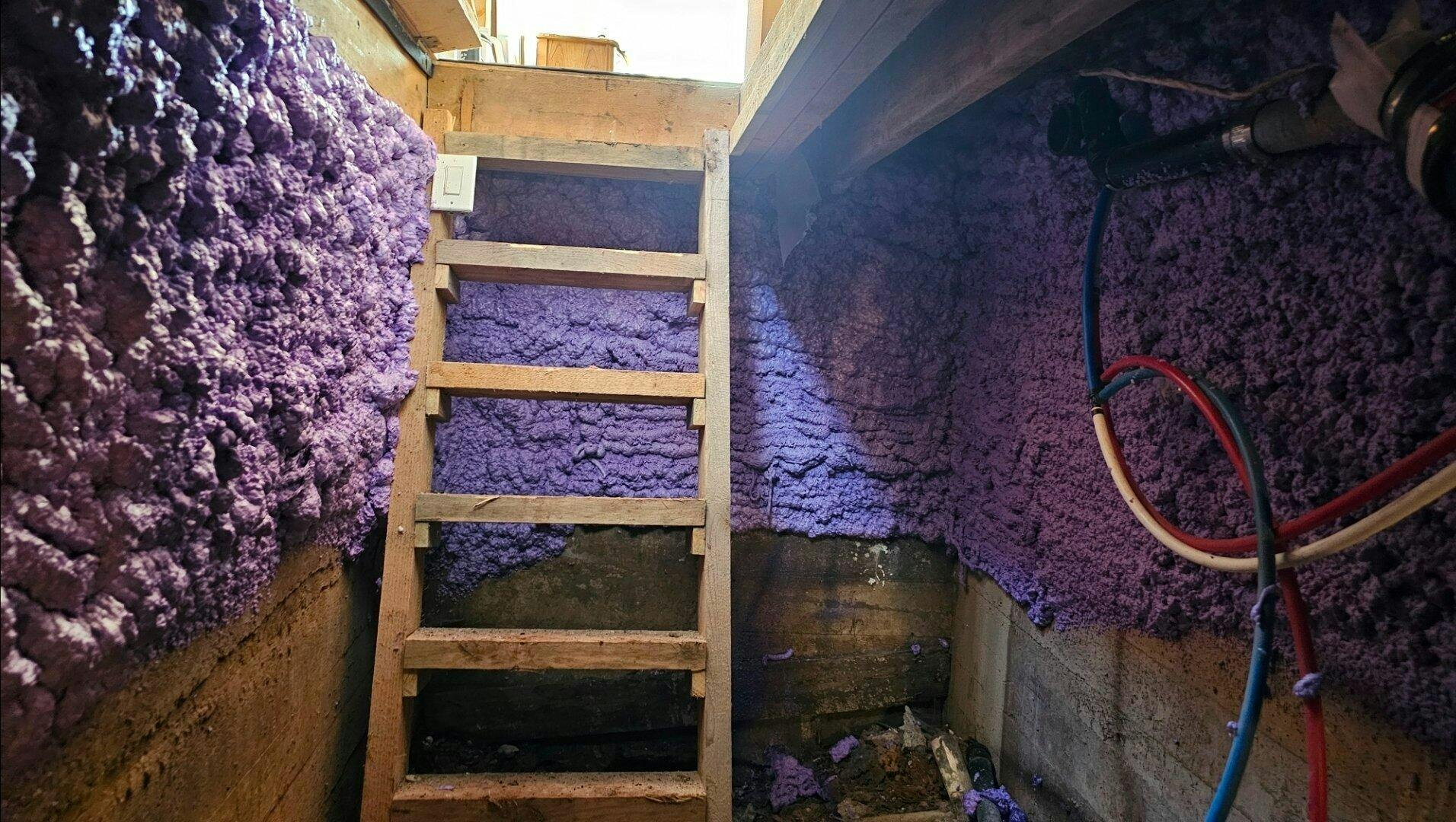
Closed-cell spray foam is great for areas that get wet, like basements and crawl spaces. It stops moisture from getting in, keeping your home safe. Open cell foam is best for attics because it lets air move freely, preventing moisture buildup.
In commercial settings, closed-cell foam is top-notch for metal buildings. It has a high R-value and fights water damage. For roofs, it's also a top pick because it fills in cracks and gaps, making the building warmer.
Spray foam insulation can be closed-cell or open-cell and works well for both homes and businesses. It fits into tight spots, making insulation easy and effective. This can lower energy bills and make spaces more comfortable.
Choosing between closed-cell and open-cell foam depends on your project's needs. Think about moisture control, how well it keeps heat in, and your budget. Knowing the strengths of each foam type helps you pick the best one for your insulation needs.
Closed Cell vs Open Cell Foam: Pros and Cons
Closed-cell foam and open-cell foam differ in insulation value, moisture resistance, airflow, and cost. The best choice depends on where the insulation is installed and what performance you need.
Closed-cell foam pros and cons:
-
Pros: High R-value per inch, excellent moisture resistance, strong air sealing, and added structural strength
-
Cons: Higher cost and limited breathability
Open-cell foam pros and cons:
-
Pros: Better sound absorption, improved airflow, lower cost, and easier installation
-
Cons: Lower R-value and reduced moisture resistance
Why VB Insulation Is the Right Supplier for Open-Cell and Closed-Cell Foam
Choosing the right spray foam insulation starts with choosing the right supplier. VB Insulation provides high-quality open-cell and closed-cell foam solutions designed for reliable performance, energy efficiency, and ease of application.
-
Supplies proven open-cell and closed-cell spray foam insulation for residential and commercial use
-
Supports homeowners, DIYers, contractors, and builders with dependable products
-
Offers cost-effective insulation solutions without compromising quality
-
Delivers nationwide with a focus on expert support and guidance
Whether you need open-cell foam for interior comfort and sound control or closed-cell foam for moisture resistance and maximum insulation, VB Insulation is a dependable resource for spray foam insulation solutions. For those looking to learn more or explore suitable options for their project, VB Insulation’s team is available to provide guidance and product information when needed.
Conclusion
When comparing closed-cell and open-cell foam, each has its benefits. Closed-cell V600 foam is great at keeping moisture out, making it perfect for areas that face a lot of water. It's a top pick for protection against the elements.
Open cell foam, however, is all about letting air flow and improving indoor air quality. It's ideal for places where you want better ventilation.
When it comes to sound, open-cell foam is the winner. It absorbs sound better, making spaces quieter and more peaceful. However, closed-cell foam is the better choice for keeping warmth in and reducing energy costs.
Choosing between closed-cell and open-cell foam depends on what you need for your project. Knowing the unique qualities of each foam helps homeowners, contractors, and DIY fans pick the right one. Whether it's keeping moisture out, letting air in, reducing noise, or saving on energy, there's a foam for every need.
FAQ
What is the difference between closed-cell and open-cell foam?
Closed-cell foam has tightly sealed cells that block air and moisture. Open-cell foam lets air and moisture flow more easily because its cells are open.
What are the advantages of closed-cell foam?
Closed-cell foam is great at keeping moisture out and insulating well. It's also very strong. These features make it perfect for roofing, walls, and foundations.
What are the benefits of open-cell foam?
Open-cell foam is great for airflow and breathability. It's also cheaper and absorbs sound better than closed-cell foam.
How do the costs of closed-cell and open-cell foam compare?
Closed-cell foam costs more than open-cell foam. But, it can save money on energy in the long run. This might make it worth the extra cost in some cases.
Closed-cell foam cost considerations:
-
Higher upfront cost due to greater material density
-
Higher R-value per inch, requiring less thickness
-
Greater potential for long-term energy savings
Open-cell foam cost considerations:
-
Lower upfront installation cost
-
Uses less material per application
-
More budget-friendly for large interior areas
Which foam type is better for sound insulation?
Open-cell foam is better at absorbing sound because of its porous structure. Closed-cell foam is better at blocking sound from passing through.
What are the typical applications for closed-cell and open-cell foam?
Closed-cell foam is great for keeping air and moisture out, like in roofing and walls. Open-cell foam is better for inside, like in walls and attics, where airflow is important.
Which foam type is better for energy efficiency?
Closed-cell foam is generally more energy-efficient because:
-
It has a higher R-value per inch
-
It creates a strong air and moisture barrier
-
It reduces heat loss and air leakage more effectively