Closed-cell spray foam insulation is one of the most effective insulation solutions for improving energy efficiency, indoor comfort, and moisture protection in residential and commercial buildings. Unlike many traditional insulation materials, it creates a high-performance barrier that helps reduce heat loss, control air leakage, and add durability to the building structure.
Because of its strong thermal resistance and long-lasting performance, closed-cell spray foam is often chosen for attics, walls, roofs, crawl spaces, and other areas where insulation plays a critical role. In this article, you will discover the 7 main benefits of closed-cell spray foam insulation and why it is considered a smart investment for long-term building performance.
Quick Comparison of Insulation Types
|
Insulation Type |
R-Value per Inch* |
Air Sealing Ability |
Moisture Resistance |
Structural Strength |
Typical Cost |
|
High |
Excellent |
Excellent |
High |
High |
|
|
Moderate |
Very Good |
Low to Moderate |
Low |
Moderate |
|
|
Fiberglass Batt |
Moderate |
Low |
Low |
None |
Low |
|
Cellulose |
Moderate |
Low to Moderate |
Moderate |
None |
Low to Moderate |

1. High Energy Efficiency
One of the biggest advantages of closed cell spray foam insulation is its energy-saving performance. Insulation effectiveness is measured by R-value, and the Department of Energy states that higher R-value means greater resistance to heat flow. Closed-cell polyurethane insulation is known for delivering a high R-value per inch, making it useful where space is limited but strong thermal resistance is needed.
Why it improves efficiency
-
Provides high thermal resistance per inch
-
Helps maintain indoor temperatures in both summer and winter
-
Reduces the workload on heating and cooling systems
-
Can lower overall energy waste when properly installed
2. Creates an Effective Air Barrier
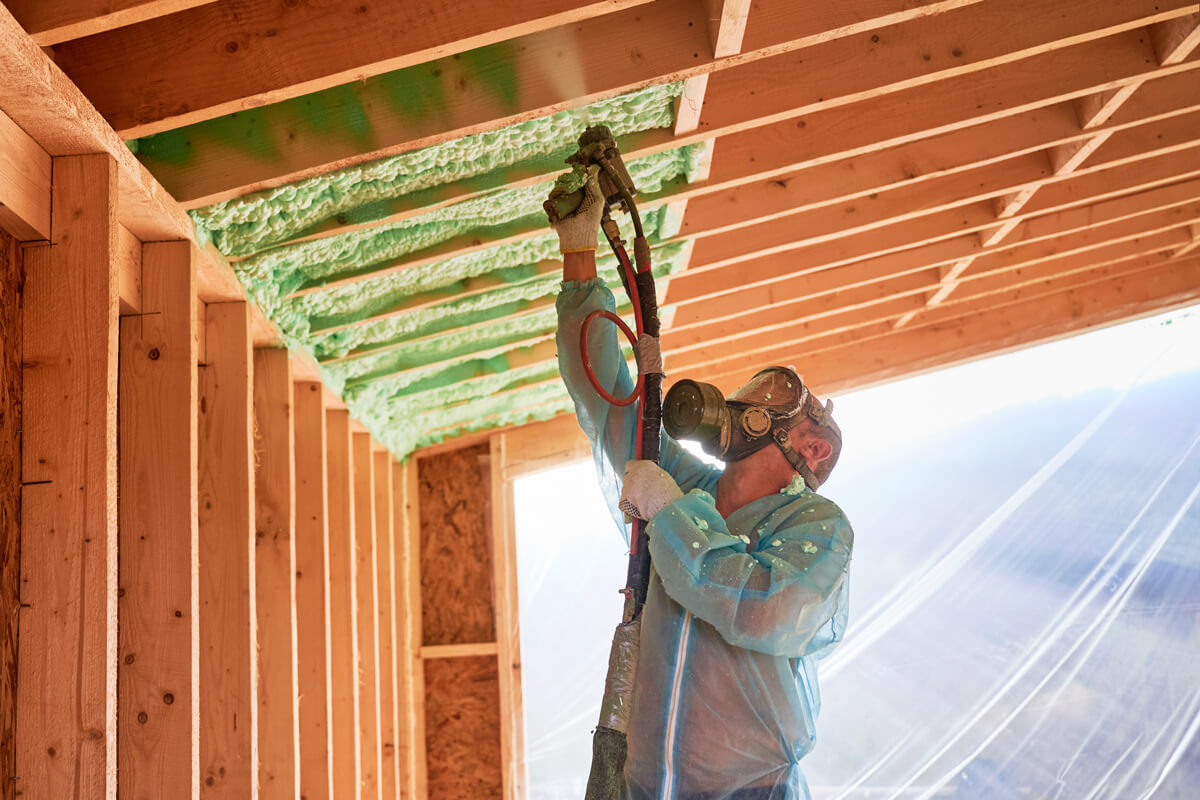
Heat loss does not happen only through poorly insulated surfaces. A major portion of energy loss in buildings comes from uncontrolled air leakage. Properly applied spray polyurethane foam can act as both insulation and an air-sealing layer, helping reduce drafts and unwanted heat transfer. In many cases, choosing the right foam type depends on how much air sealing and thermal protection a building needs.
Where this helps most
-
Around wall cavities
-
Roof and attic assemblies
-
Rim joists and crawl spaces
-
Gaps around penetrations, joints, and irregular surfaces
Because it expands into cracks and gaps, closed cell spray foam can seal areas where traditional insulation may leave voids.
3. Strong Moisture Resistance
Closed cell spray foam is valued for its resistance to moisture. Its cell structure is compact and dense, which helps limit water intrusion and makes it more resistant to moisture than open-cell foam. This added protection is one reason many property owners compare it with other water-resistant insulation options when moisture control is a concern.
Moisture-related advantages
-
Helps reduce the risk of dampness inside assemblies
-
Supports better performance in humid or mixed climates
-
Can contribute to improved durability of insulated areas
-
Useful in spaces where moisture control is a major concern
This does not mean it solves every moisture problem on its own. Proper design, flashing, drainage, and ventilation are still important.
4. Adds Structural Strength
Unlike soft insulation materials, closed cell spray foam is rigid after curing. This rigidity can help strengthen certain building assemblies by adding stiffness once the material bonds to the surrounding surfaces. This is one reason it is often chosen for projects that need both insulation and durability. The DOE also describes closed-cell foam as much denser than open-cell foam.
Why this matters
-
Adds firmness to wall and roof cavities
-
Helps insulation stay in place over time
-
Supports more durable building envelope performance
-
Useful in areas exposed to demanding conditions

5. Saves Space with More Insulation per Inch
In many buildings, cavity depth is limited. Closed cell spray foam is useful in these situations because it can deliver strong insulation performance without requiring as much thickness as some other insulation materials. Understanding the ideal foam application depth is especially important when trying to maximize thermal performance in tight spaces.
Best applications for limited-space insulation
-
Narrow wall cavities
-
Rooflines and cathedral ceilings
-
Basement walls
-
Renovation projects where framing depth cannot be changed
This makes it a practical choice when maximizing insulation in a tight space is important.
6. Helps Improve Indoor Comfort
Energy savings are important, but comfort is what most building occupants notice first. Closed cell spray foam helps stabilize indoor temperatures by reducing heat transfer and limiting outside air movement. In attic applications, many homeowners also weigh attic foam options to decide which material will create the most consistent indoor environment.
Comfort benefits
-
Fewer hot and cold spots
-
Less draft penetration
-
More even indoor temperature control
-
Better overall building envelope performance
Some spray foam systems may also help reduce certain airborne sounds, but sound control is generally not the primary reason to choose closed-cell foam.
7. Long-Term Performance and Durability
Closed cell spray foam is often selected for long service life when installed correctly. DOE materials note that closed-cell polyurethane insulation can experience thermal drift over time, with most of that change occurring in the first two years, after which the R-value generally remains stable unless the foam is damaged.
Why it lasts
-
Adheres tightly to surfaces
-
Resists sagging common in some loose materials
-
Maintains shape after curing
-
Continues performing well when protected from damage
Its durability can make it a cost-effective option over the long term, even though the upfront cost is usually higher than many traditional insulation products. DOE states that closed-cell foam is denser and more expensive than open-cell foam.
How Closed-Cell Spray Foam Supports Building Performance
|
Feature |
What It Does |
Benefit to Building Owners |
|
High R-Value per Inch |
Slows heat transfer effectively |
Improves indoor temperature control |
|
Expanding Application |
Fills cracks and gaps |
Reduces air leakage and drafts |
|
Dense Closed-Cell Structure |
Resists water absorption |
Helps protect against moisture issues |
|
Rigid Finished Form |
Bonds firmly to surfaces |
Adds strength and durability |
|
Long Service Life |
Maintains performance over time |
Reduces need for early replacement |

Conclusion
VB Insulation's closed cell spray foam does a lot for building owners. It's great for keeping a building warm, dry, and strong. It also makes sure it's quiet inside. This tech works well for homes and businesses. And it's kind to the environment, too. Plus, it's not too costly.
Choosing VB Insulation's spray foam means using less energy. It also improves the air you breathe, helping our planet by lowering harmful gases. The foam is excellent at staying warm, dry, and steady, making buildings more efficient overall.
If you want a better house, a stronger business, or a quieter place, VB Insulation's product is a top pick. It's the smart way to get ahead in insulation. Every building has different insulation needs depending on its design, location, and performance goals. If you are considering closed-cell spray foam for an upcoming project, visiting VB Insulation's contact page can help you better understand which option may be the best fit.
FAQ
What are the main benefits of closed cell spray foam insulation?
Closed-cell spray foam insulation is great for many reasons. It boosts your building's energy efficiency, which means less heat or cool air escapes, saving you money. It also keeps your building safe from moisture damage, strengthens the structure, reduces sound, and lasts a long time. Plus, it's good for the environment and your wallet.
How does closed cell spray foam insulation improve energy efficiency?
VB Insulation's spray foam has a high R-value, which means it stops heat flow well. This keeps your building cooler in summer and warmer in winter. It also seals your building without gaps, further cutting energy loss.
How does closed cell spray foam insulation provide moisture resistance?
The foam's closed-cell structure effectively blocks water. This stops moisture from wrecking your building, keeping the insulation strong over time and protecting its frame.
What are the long-term benefits of closed cell spray foam insulation?
This spray foam from VB Insulation lasts for years, saving you money. It's also eco-friendly, making it a great choice for anyone who wants to invest in their building's future.
How does closed cell spray foam insulation provide structural reinforcement?
VB Insulation's spray foam doesn't just insulate. It also helps make the building stronger. The foam solidifies, supporting your building against wear and tear.
What are the sound insulation benefits of closed cell spray foam?
VB Insulation's foam reduces noise, making your space quieter and more peaceful. This improves the quality of life indoors.
Is closed cell spray foam insulation an eco-friendly option?
Yes, VB Insulation's spray foam is very green. It saves energy, money, and the planet. Choosing it is a wise and sustainable decision.