Insulating your attic ceiling is one of the most effective ways to improve home comfort, reduce energy waste, and support better indoor air quality. Because the attic is one of the biggest areas for heat loss in winter and heat gain in summer, choosing the right insulation can make a noticeable difference in monthly utility costs and year-round temperature control.
For homeowners comparing attic upgrades, the best solution often depends on the condition of the existing insulation, the home’s air leakage issues, the target R-value, and the budget. In many cases, removing old insulation, air sealing the attic floor, and installing clean loose-fill fiberglass insulation provides a strong balance of performance, value, and long-term reliability.
Key Takeaways:
- Blown-in fiberglass provides strong attic ceiling coverage, long-term stability, and reliable energy-efficiency performance.
- Old attic insulation should be removed when contaminated, compressed, pest-damaged, moldy, or no longer effective.
- Air sealing before insulation reduces leaks around wiring, plumbing, recessed lights, and attic access points.
- Many attic upgrades target R-49, often requiring about 17+ inches of blown-in fiberglass.
Why Attic Ceiling Insulation Matters

Your attic ceiling plays a major role in your home’s thermal envelope. When insulation is missing, damaged, compressed, or poorly installed, conditioned air escapes more easily, forcing your HVAC system to run longer to maintain a stable indoor temperature.
According to the U.S. EPA’s ENERGY STAR program, homeowners can save an average of 15% on heating and cooling costs by air sealing their homes and adding insulation in attics, floors over crawl spaces, and basements, depending on the home’s condition, climate, and existing insulation levels.
Poor attic insulation can also lead to:
- Uneven room temperatures
- Higher heating and cooling bills
- Drafts and cold spots
- Moisture buildup
- Reduced HVAC efficiency
- Dust and airborne contaminants from old insulation
A well-insulated attic helps reduce these issues by slowing heat transfer and keeping conditioned air where it belongs.
Best Attic Ceiling Insulation Options Compared

Choosing the right attic insulation starts with understanding the most common options. Each material has different advantages, costs, and performance characteristics.
|
Insulation Type |
Best For |
Coverage Quality |
Typical Benefit |
Main Drawback |
|
Fiberglass Batt Insulation |
Simple attic layouts |
Medium |
Affordable and widely available |
Can leave gaps around wiring and pipes |
|
Blown-In Fiberglass Insulation |
Attic floors and ceiling cavities |
High |
Excellent coverage and long-term stability |
Requires professional blowing equipment |
|
Spray Foam Insulation |
Air leakage control |
Very high |
Adds insulation and air sealing benefits |
Higher upfront cost |
|
Cellulose Insulation |
Loose-fill attic coverage |
High |
Made from recycled material |
Can settle and collect dust over time |
For homeowners deciding between different materials, understanding the right insulation choice can help narrow down the best option based on performance, budget, and attic conditions.
Fiberglass Batt Insulation

Fiberglass batt insulation is one of the most familiar attic insulation materials. It comes in pre-cut rolls or panels and is designed to fit between attic joists.
Pros of Fiberglass Batts
- Lower material cost
- Easy to find
- Suitable for open, standard framing layouts
- Does not require blowing equipment
Cons of Fiberglass Batts
- Gaps can form around pipes, vents, and wiring
- Poor installation reduces performance
- Less effective for irregular attic spaces
- Can leave areas under-insulated
Fiberglass batts may work in simple attic layouts, but they often fall short when the attic has tight corners, uneven framing, or multiple penetrations.
Blown-In Fiberglass Insulation
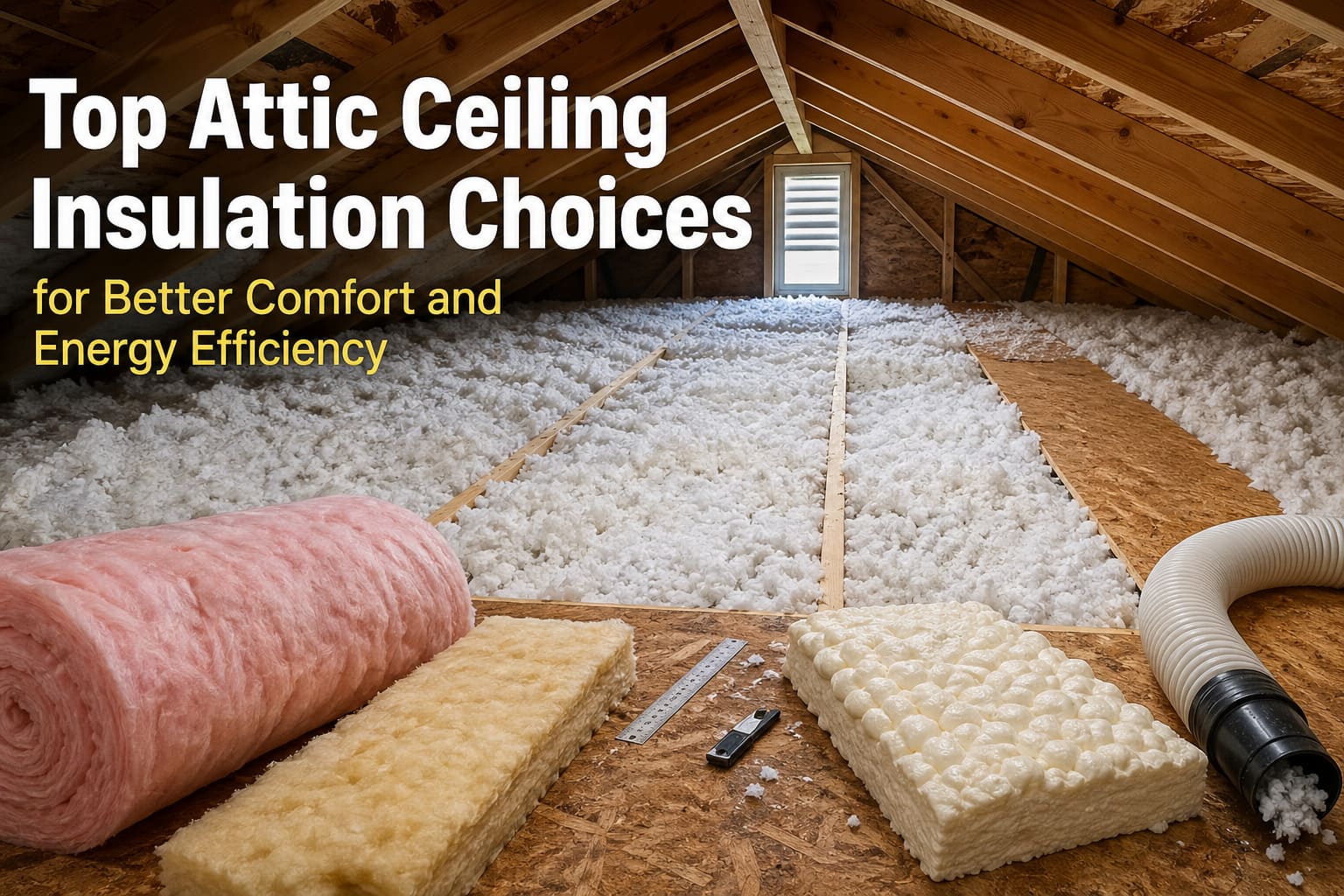
Blown-in fiberglass is one of the best insulation choices for attic ceilings because it creates a consistent blanket of insulation across the attic floor. Unlike batt insulation, loose-fill fiberglass fills gaps, corners, and hard-to-reach areas more effectively.
This makes it a strong option for homeowners upgrading older attic spaces or replacing contaminated insulation. When reviewing attic upgrade options, many homeowners compare common attic methods before deciding whether blown-in fiberglass is the right fit.
Why Blown-In Fiberglass Performs Well
Blown-in fiberglass offers several key advantages:
- Full coverage: Fills gaps and irregular spaces more evenly
- Strong thermal performance: Helps reduce heat transfer through the attic
- Fire resistance: Fiberglass is naturally non-combustible
- Long lifespan: It resists settling better than cellulose
- Cleaner installation: New loose-fill fiberglass can replace dusty or damaged old insulation
For many homes, blown-in fiberglass installed to approximately 17+ inches can help achieve an R-49 insulation level, which is commonly recommended for many attic applications depending on climate zone.
Spray Foam Insulation for Attics
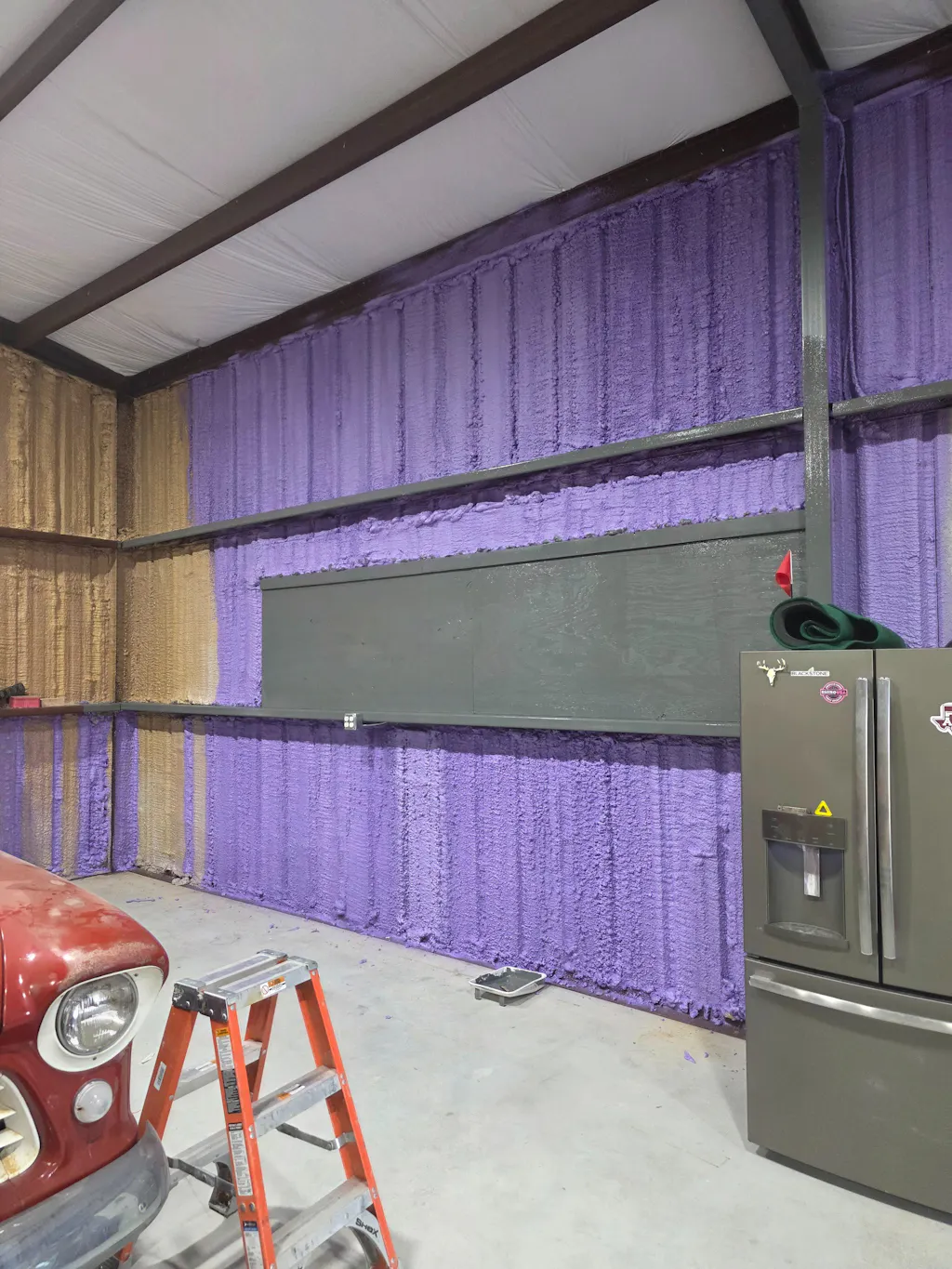
Spray foam insulation is another high-performance option, especially when air leakage is a major concern. It expands after application, sealing small cracks, gaps, and openings while also adding thermal resistance.
Spray foam can be especially useful in certain attic assemblies, though homeowners should understand the process, cost, and ventilation implications before choosing it. A properly installed spray foam attic can improve both insulation performance and air control when the home is suited for that system.
Open-Cell vs. Closed-Cell Spray Foam
There are two main types of spray foam used in attics:
|
Spray Foam Type |
Best Use |
Key Benefit |
Consideration |
|
Open-cell foam |
Interior attic applications |
Expands well and fills gaps |
Lower R-value per inch |
|
Closed-cell foam |
Areas needing higher density |
Higher R-value and moisture resistance |
More expensive |
Choosing between these materials depends on the attic structure, moisture conditions, budget, and energy goals. For attics where moisture control and density matter, comparing open and closed-cell foam can help homeowners understand which option fits the space better.
Cellulose Insulation
Cellulose insulation is a loose-fill material made primarily from recycled paper products. It is commonly blown into attic spaces and can provide good coverage when installed correctly.
Benefits of Cellulose
- Good coverage for attic floors
- Made from recycled content
- Can be installed over some existing insulation
- Often cost-effective
Drawbacks of Cellulose
- Can settle over time
- May absorb moisture
- Older cellulose can become dusty
- Can lose effectiveness if compressed or contaminated
Cellulose can be a practical choice in some homes, but older cellulose insulation often becomes dirty, compacted, or less effective, making removal and replacement worthwhile.
Why Removing Old Attic Insulation Is Often Necessary

Old insulation does not always need to be removed, but removal is recommended when it is damaged, contaminated, compacted, or no longer performing properly.
Common Reasons to Remove Old Insulation
- Pest contamination
- Mold or moisture damage
- Heavy dust buildup
- Smoke or odor absorption
- Compressed fiberglass
- Settled cellulose
- Uneven insulation depth
Old attic insulation can hold dust, allergens, rodent droppings, and debris. Removing it creates a cleaner surface for air sealing and allows new insulation to perform as intended.
The Importance of Air Sealing Before Adding Insulation
Air sealing is one of the most important steps in any attic insulation upgrade. Even high-quality insulation cannot perform properly if warm or cool air is leaking through gaps between the living space and attic.
Common air leakage points include:
- Recessed lights
- Plumbing penetrations
- Electrical wiring holes
- Bath fan openings
- Chimney or flue gaps
- Attic hatches
- Top plates and framing gaps
Air sealing helps protect the performance of new insulation by reducing uncontrolled airflow. For homeowners comparing insulation materials, understanding spray foam efficiency also highlights why air control is so important in the attic system.
Recommended Attic Insulation R-Value and Thickness
The right insulation depth depends on climate zone, material type, and local code requirements. In many attic ceiling projects, contractors aim for R-49 or higher, especially in colder or mixed climates.
|
Insulation Material |
Approximate R-Value Per Inch |
Approximate Depth for R-49 |
|
Blown-In Fiberglass |
R-2.5 to R-3.7 |
Around 14–20 inches |
|
Cellulose |
R-3.2 to R-3.8 |
Around 13–16 inches |
|
Open-Cell Spray Foam |
R-3.5 to R-4.0 |
Around 12–14 inches |
|
Closed-Cell Spray Foam |
R-6.0 to R-7.0 |
Around 7–8 inches |
Closed-cell foam requires less thickness than many other insulation types because of its higher R-value per inch. Homeowners considering foam applications should understand the proper foam thickness before choosing it for attic insulation.
Step-by-Step Attic Insulation Upgrade Process

A professional attic insulation upgrade usually follows a structured process to ensure long-term performance.
1. Attic Inspection
The attic is inspected for insulation depth, moisture issues, pest damage, ventilation concerns, and air leakage points.
2. Old Insulation Extraction
Damaged, dusty, or contaminated insulation is removed using specialized equipment. This helps create a cleaner attic environment before new insulation is installed.
3. Debris Cleanup
After extraction, remaining debris, dust, and loose contaminants are removed so the attic is ready for sealing and installation.
4. Air Sealing
All major gaps and penetrations between the attic and conditioned living space are sealed to reduce energy loss.
5. New Insulation Installation
Clean loose-fill fiberglass insulation is blown across the attic ceiling area to the proper depth, often around 17+ inches for an R-49 target.
6. Final Inspection
The contractor checks coverage, insulation depth, ventilation clearance, and overall installation quality.
Cost, Performance, and Long-Term Value
The cost of attic insulation depends on attic size, insulation type, removal needs, air sealing requirements, and local labor rates. While fiberglass batts may cost less upfront, blown-in fiberglass often provides better coverage and efficiency for attic ceiling applications.
|
Upgrade Option |
Upfront Cost |
Energy Savings Potential |
Best Use Case |
|
Fiberglass Batts |
Low |
Moderate |
Simple attic layouts |
|
Blown-In Fiberglass |
Medium |
High |
Most attic ceiling upgrades |
|
Spray Foam |
High |
Very high |
Air leakage and advanced performance needs |
|
Cellulose |
Medium |
Moderate to high |
Loose-fill coverage with recycled material |
For whole-home planning, comparing the best home insulation can help homeowners decide whether the attic should be upgraded alone or as part of a larger energy-efficiency project.
Best Overall Attic Ceiling Insulation Recommendation

For many homeowners, blown-in fiberglass insulation combined with professional air sealing offers the best balance of cost, coverage, durability, and energy performance.
This approach is especially effective when:
- Existing insulation is old or contaminated
- The attic has uneven or hard-to-reach areas
- Energy bills are increasing
- Indoor temperatures feel inconsistent
- The home needs improved comfort without the higher cost of spray foam
Spray foam may be the better option for certain attic assemblies or homes with major air leakage issues, but blown-in fiberglass remains one of the most practical and reliable choices for standard attic ceiling insulation upgrades.
FAQs About Attic Ceiling Insulation
What is the best insulation for an attic ceiling?
Blown-in fiberglass is one of the best attic ceiling insulation options because it provides full coverage, resists settling, and performs well over time. It is especially effective when installed after old insulation removal and proper air sealing.
Should old attic insulation be removed before adding new insulation?
Yes, old attic insulation should be removed if it is damaged, contaminated, compressed, moldy, or affected by pests. Removing old material creates a cleaner surface and helps the new insulation perform more effectively.
How much blown-in fiberglass insulation does an attic need?
Most attic ceiling projects require enough blown-in fiberglass to reach the recommended R-value for the climate zone. In many homes, this means installing around 17+ inches of loose-fill fiberglass to reach approximately R-49.
Is air sealing necessary before insulating an attic?
Yes, air sealing is necessary because insulation alone does not stop air leaks. Sealing gaps around wiring, plumbing, recessed lights, and attic access points helps prevent conditioned air from escaping into the attic.
Is spray foam better than blown-in fiberglass?
Spray foam can be better for air sealing and high-performance applications, but blown-in fiberglass is often more cost-effective for standard attic ceiling insulation. The better choice depends on budget, attic design, ventilation, and energy goals.
How long does attic insulation last?
Attic insulation can last 20 years or more when properly installed and kept dry. However, insulation may need replacement sooner if it becomes wet, compressed, pest-damaged, or contaminated.
Can attic insulation lower energy bills?
Yes, attic insulation can lower energy bills by reducing heat loss in winter and heat gain in summer. When combined with air sealing, it can significantly reduce HVAC workload and improve indoor comfort.