Choosing insulation is not just about filling wall cavities. It affects energy efficiency, indoor comfort, moisture control, and long-term maintenance costs. Homeowners often compare spray foam and fiberglass because both are common, but they solve very different problems in a home.
This guide explains how each material performs, where each one works best, and which option makes more sense based on your budget and goals. You will also see side-by-side comparisons, practical use cases, and clear answers to common buyer questions.
What Is the Difference Between Spray Foam and Fiberglass Insulation?
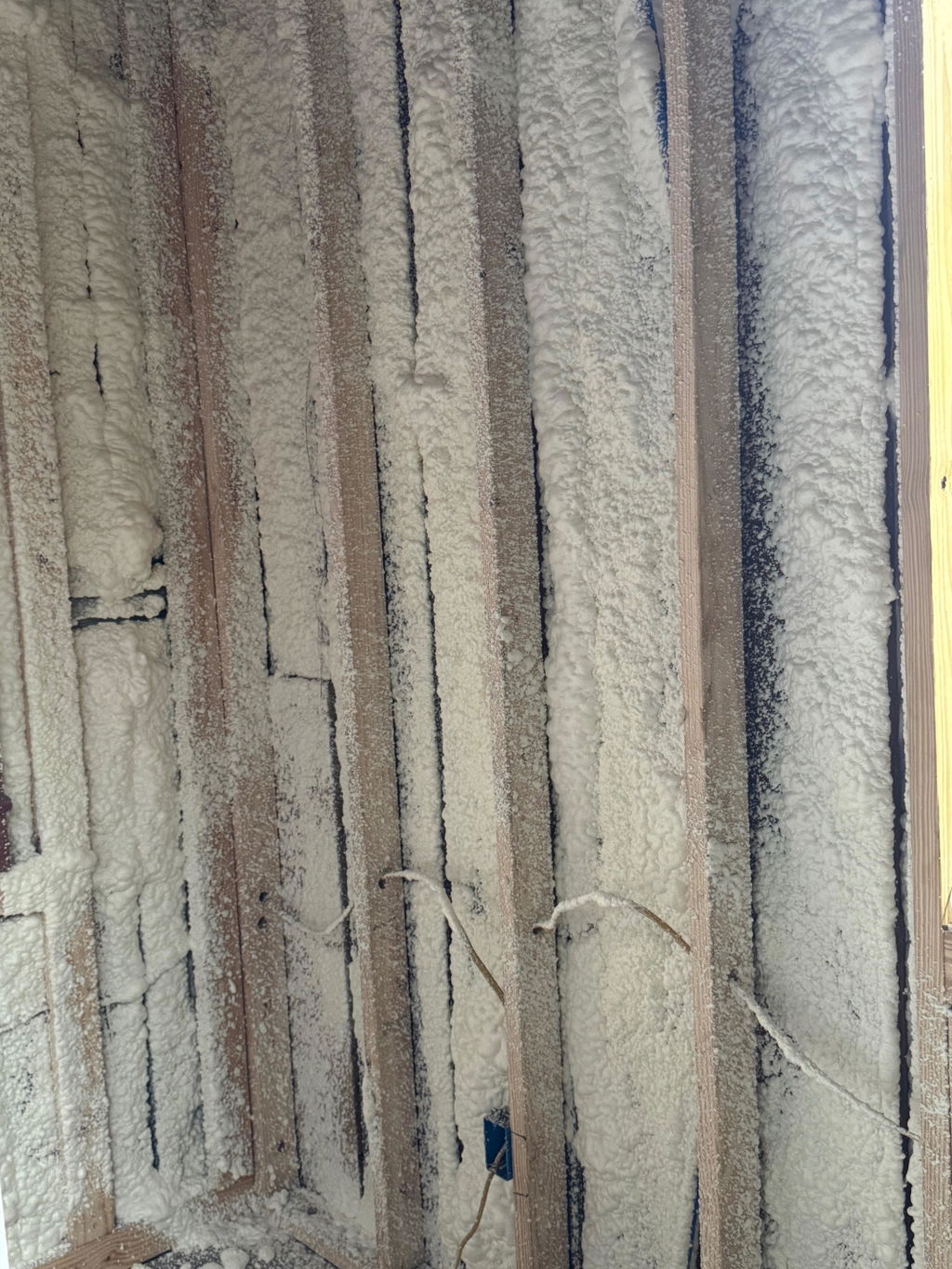
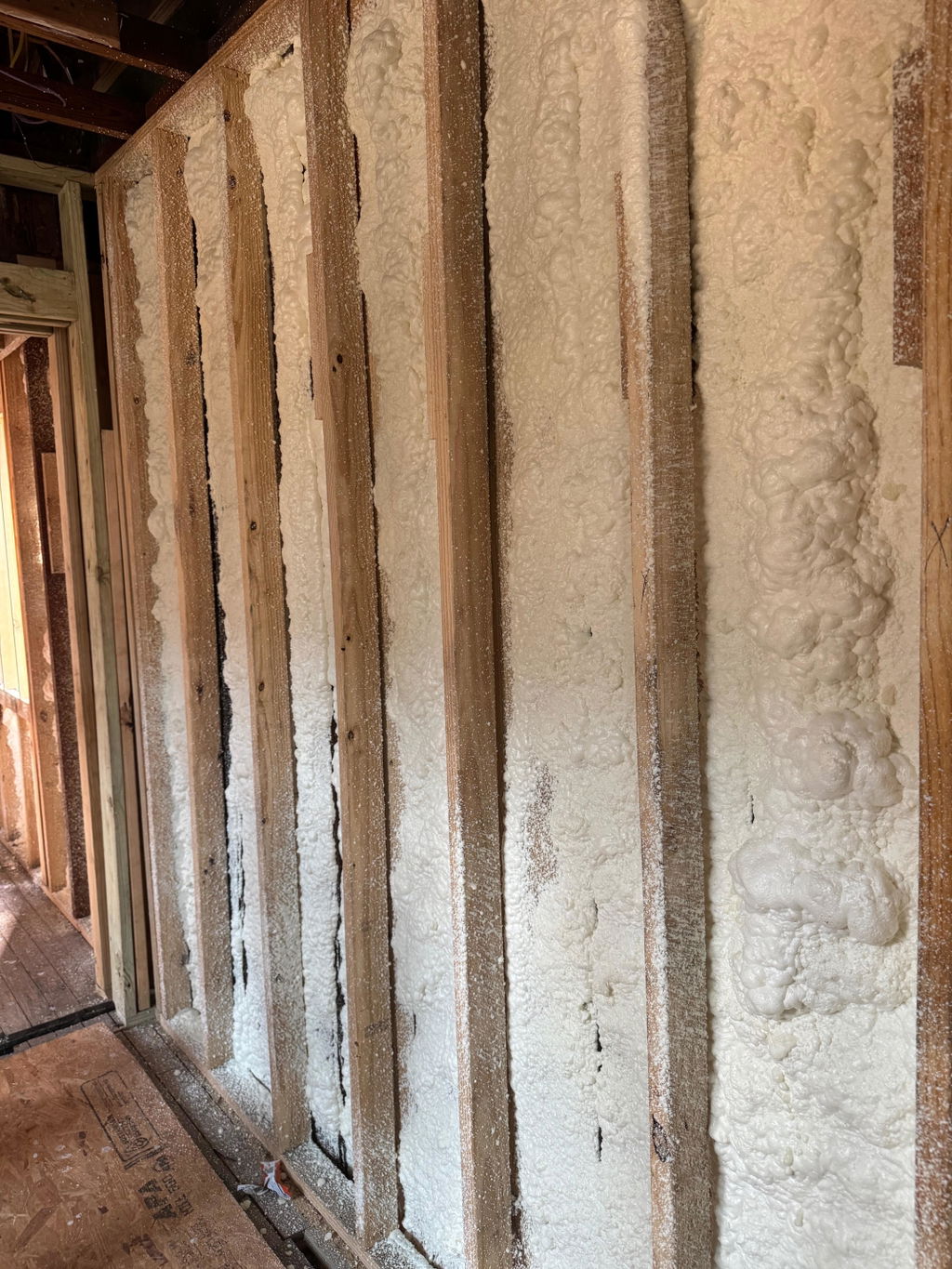
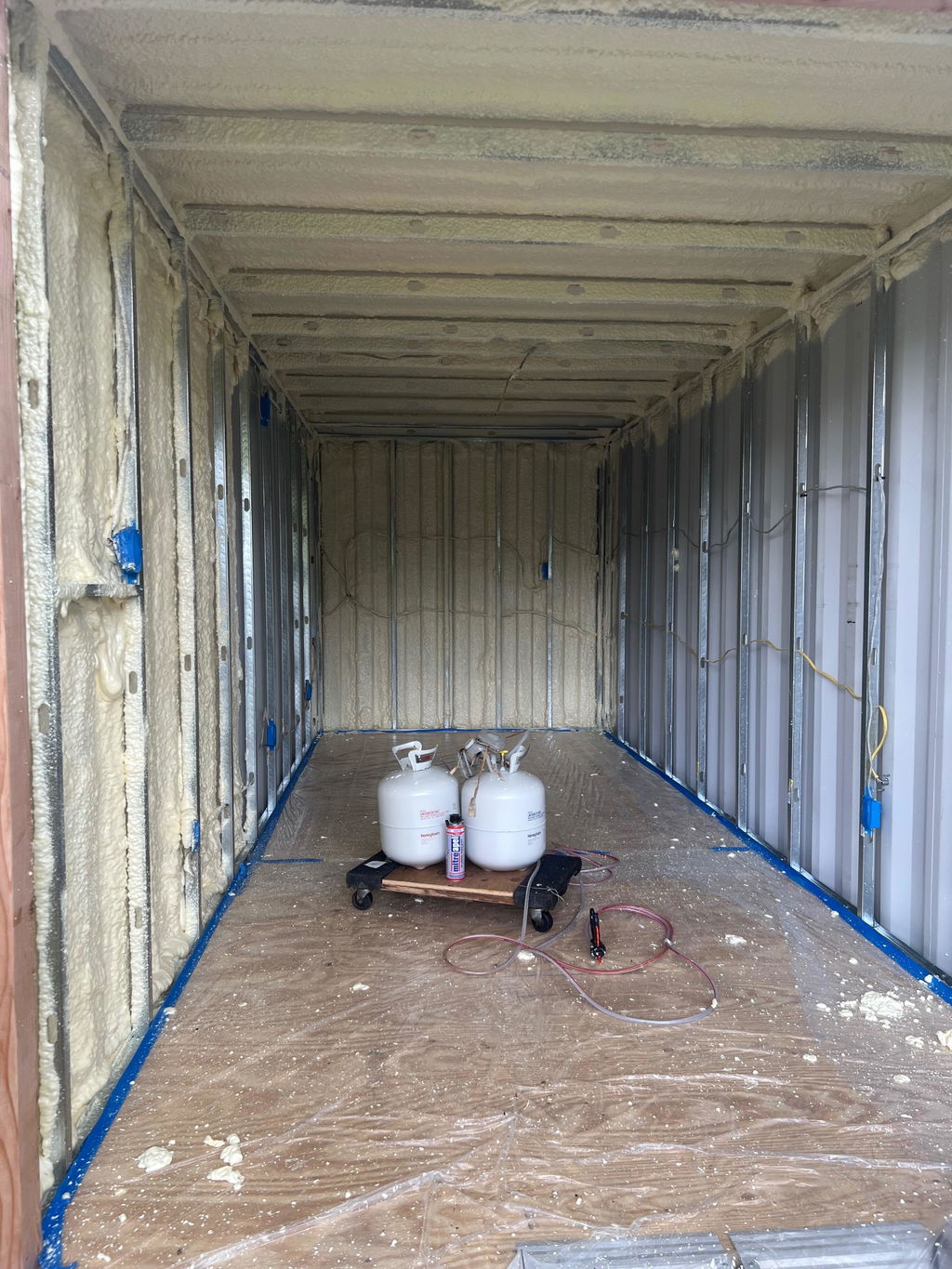
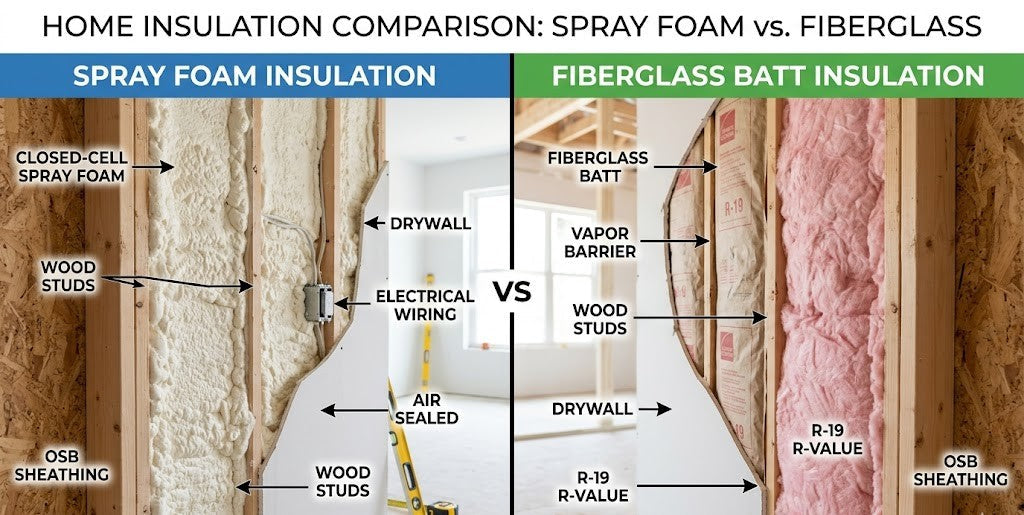
Spray foam insulation is a chemical-based product that is sprayed into walls, ceilings, crawl spaces, and rim joists. It expands after application and hardens into a solid insulating layer. Because it fills cracks and gaps, it also helps reduce air leakage throughout the home.
Fiberglass insulation is made from spun glass fibers and usually comes in batts, rolls, or loose-fill form. It slows heat transfer, but it does not create a true air seal. In many homes, that difference becomes important when comparing thermal performance, draft control, and moisture resistance.
Spray Foam vs Fiberglass: Quick Comparison Table

|
Feature |
Spray Foam Insulation |
Fiberglass Insulation |
|
Material Type |
Polyurethane foam |
Glass fibers |
|
Forms Available |
Open-cell and closed-cell |
Batts, rolls, loose-fill |
|
R-Value per Inch |
About R-3.5 to R-7 |
About R-2.2 to R-3.8 |
|
Air Sealing |
Excellent |
Poor without added sealing |
|
Moisture Resistance |
Strong, especially closed-cell |
Can trap moisture |
|
Installation |
Professional installation |
DIY or professional |
|
Upfront Cost |
Higher |
Lower |
|
Long-Term Efficiency |
Very high |
Moderate |
|
Lifespan |
Long-lasting |
Can sag or compress over time |
R-Value and Thermal Performance
R-value measures how well insulation resists heat flow. A higher R-value means better thermal performance per inch. This matters most in walls, attics, crawl spaces, and other areas where space is limited.
Spray foam has a higher R-value per inch than fiberglass. That means it can deliver stronger insulation performance with less material thickness. In homes where every inch matters, many homeowners compare foam with traditional options before choosing what fits their space best.
Spray Foam Insulation
- Higher R-value per inch
- Works well in tight wall cavities
- Helps reduce heat loss more efficiently
- Closed-cell foam offers the strongest performance
Fiberglass Insulation
- Lower R-value per inch
- Needs more thickness to reach the same level
- Works better in open spaces like attics
- Performance depends heavily on proper installation
Air Sealing and Draft Control

Air leaks make a home less comfortable. They also increase heating and cooling costs. Even small gaps around pipes, wires, framing, and joints can let conditioned air escape.
Spray foam helps insulate and seal at the same time. That is why many of the key spray foam benefits are tied to better draft control and reduced airflow.
Spray Foam Insulation
- Expands into cracks and small gaps
- Creates a stronger air seal
- Helps reduce drafts in older homes
- Improves indoor comfort room to room
- Supports better HVAC efficiency
Fiberglass Insulation
- Slows heat transfer but does not seal air leaks
- Needs separate air sealing for better results
- Can underperform in drafty homes
- Works best in spaces with fewer gaps
- May allow uneven indoor temperatures
Why Air Sealing Matters
- Reduces unwanted airflow
- Helps maintain steady indoor temperatures
- Can lower monthly energy bills
- Makes insulation perform closer to its rated value
- Helps improve comfort in winter and summer
Moisture Resistance and Mold Risk
Moisture control is another major difference between these materials. Closed-cell spray foam resists water and helps protect surfaces in damp areas like basements, crawl spaces, and rim joists. It does not absorb water the way some traditional materials can.
Fiberglass can lose performance when it gets wet. It may also hold moisture against surrounding materials, which increases the risk of mold, odor, and damage over time. In areas where humidity or leaks are concerns, material choice becomes just as important as R-value.
Installation Requirements

Fiberglass is easier to install and is often used in budget-conscious projects. Batts can be placed between studs and joists with standard tools. However, poor cutting or loose fitting can leave gaps, which reduces performance.
Spray foam requires professional installation. The chemicals must be mixed and applied correctly, and installers need to manage temperature, expansion, and curing conditions. This raises the upfront cost, but it also provides a more complete result when done properly.
Spray Foam vs Fiberglass Cost Comparison
|
Cost Factor |
Spray Foam |
Fiberglass |
|
Material Cost |
Higher |
Lower |
|
Labor Cost |
Higher |
Lower to moderate |
|
DIY Potential |
No |
Yes |
|
Energy Savings Potential |
High |
Moderate |
|
Payback Over Time |
Often stronger |
Usually slower |
Fiberglass usually wins on initial price. It is the more affordable choice for homeowners who need basic insulation and want to keep installation costs down. For short-term projects, that lower entry cost can make sense.
Spray foam costs more at the start, but it may lower utility bills and reduce future maintenance issues. When homeowners compare insulation cost and savings, the decision often comes down to whether they value lower upfront expense or stronger long-term efficiency.
Lifespan and Long-Term Durability
Spray foam generally keeps its shape and performance for many years. It does not settle the way loose-fill materials can, and it is less likely to shift out of place after installation. That consistency helps preserve energy performance over time.
Fiberglass can last a long time under ideal conditions, but it is more vulnerable to compression, sagging, moisture exposure, and disturbance. In attics or wall cavities, even small changes in placement can reduce its effectiveness.
Best Uses for Each Insulation Type
|
Situation |
Spray Foam Is Better |
Fiberglass Is Better |
|
Drafty older homes |
Yes |
No |
|
Tight cavities |
Yes |
No |
|
Moisture-prone spaces |
Yes |
No |
|
Budget-first projects |
No |
Yes |
|
DIY installation |
No |
Yes |
|
Basic code compliance |
Sometimes |
Yes |
Spray foam is often the better fit for homeowners who want maximum efficiency, stronger air sealing, and better moisture control. It is especially useful in basements, crawl spaces, rim joists, vaulted ceilings, and other hard-to-seal areas.
Fiberglass works well for standard wall cavities, open attic floors, and projects where the priority is affordability. It is also a practical choice when a homeowner simply needs a familiar insulation material with lower installation costs.
Spray Foam Pros and Cons

Understanding both strengths and limitations helps set realistic expectations. Homeowners looking at spray foam pros and cons usually find that the biggest trade-off is simple: better performance comes with a higher initial investment.
Pros
- Higher R-value per inch
- Excellent air sealing
- Strong moisture resistance
- Long-lasting performance
- Helps improve indoor comfort
Cons
- Higher upfront cost
- Requires professional installation
- Not ideal for every budget
- Installation quality matters a lot
Fiberglass Pros and Cons
Fiberglass remains popular because it is widely available and relatively affordable. It has been used in homes for decades, and it still works well in many common applications.
Pros
- Lower upfront cost
- Easy to find and install
- Suitable for many standard spaces
- Good option for budget-focused jobs
Cons
- Lower R-value per inch
- Does not air seal
- Performance drops when wet
- Can sag, shift, or compress over time
Which Insulation Is Better for Your Home?
Spray foam is better for homes with air leaks, uneven indoor temperatures, moisture concerns, or long-term energy-saving goals. It is often the stronger choice for homeowners who plan to stay in the house for years and want better overall building performance.
Fiberglass is better for homeowners who want a lower-cost option, need to insulate a standard space, or are focused on meeting basic insulation needs without a large upfront investment. It can still perform well when installed carefully and paired with separate air sealing where needed.
FAQs
Is spray foam better than fiberglass?
Yes, spray foam is generally better for energy efficiency and air sealing. It offers higher R-value per inch, reduces drafts, and performs better in spaces with gaps or irregular framing.
- Better for long-term efficiency
- Better for air leakage control
- Better for moisture-prone areas
Is fiberglass insulation cheaper than spray foam?
Yes, fiberglass insulation is cheaper upfront. It costs less for both materials and labor, especially when used in simple wall or attic installations.
- Lower initial budget
- Easier to install
- Common in standard residential projects
Which insulation lasts longer?
Spray foam usually lasts longer in real-world conditions. It does not compress or shift as easily, and it keeps its performance more consistently over time.
- Spray foam stays in place
- Fiberglass can sag or settle
- Moisture can reduce fiberglass lifespan
Is spray foam worth the extra cost?
Yes, spray foam can be worth the extra cost when energy savings, comfort, and air sealing matter most. The long-term value is often stronger in homes with high utility bills or noticeable drafts.
- Higher upfront investment
- Better long-term performance
- Often lower heating and cooling loss
Can fiberglass insulation get moldy?
Yes, fiberglass can contribute to mold problems when it becomes wet or traps moisture against other materials. While the fibers themselves may not feed mold, damp surrounding surfaces can still develop mold growth.
- Moisture reduces performance
- Wet insulation often needs replacement
- Damp areas need careful material selection