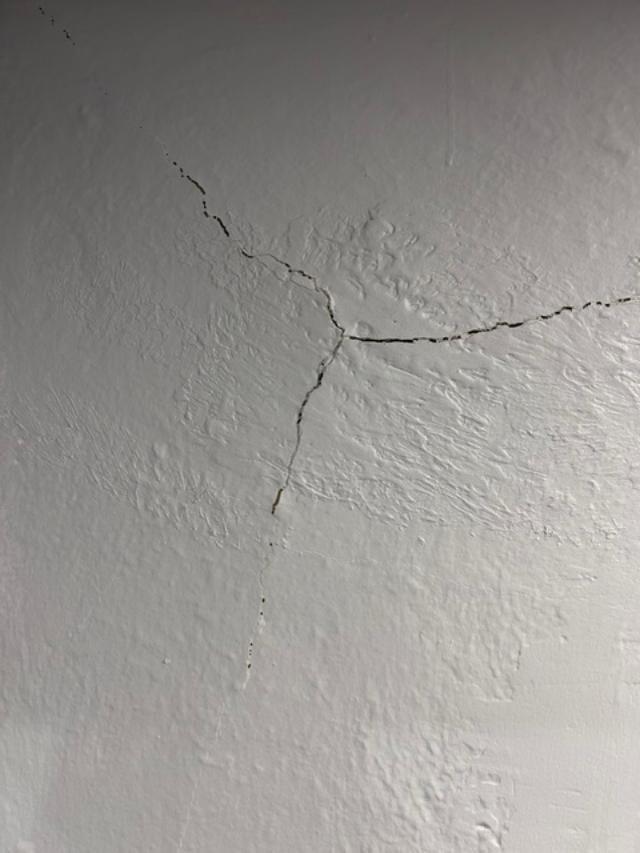
Moisture control is one of the most important parts of modern construction. The biggest risk is often not a visible leak, but water vapor moving through walls, ceilings, and floors. When that vapor reaches a cold surface and turns into condensation, it can lead to mold growth, wood rot, and structural damage.
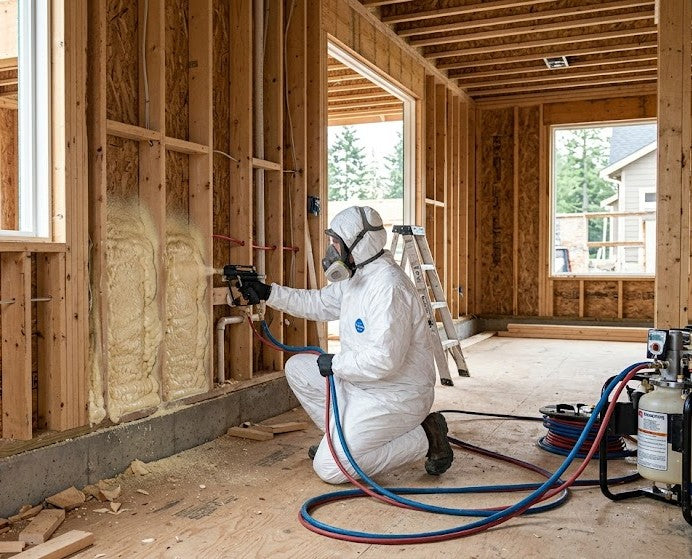
For years, the standard method was to install insulation first and then add a separate plastic vapor barrier. Closed-cell spray polyurethane foam offers a simpler and more effective solution. When installed at the right thickness, it can work as insulation, an air barrier, and a vapor retarder in one system. Homeowners comparing different foam insulation types often choose this approach because it reduces extra layers while improving overall performance.
Does Spray Foam Need a Vapor Barrier?
No, closed-cell spray foam usually does not need an additional vapor barrier. Once it is applied at the proper thickness, it can act as a built-in vapor retarder while also delivering strong insulation and air sealing.
This makes it a practical choice for homeowners who want better moisture protection without adding separate plastic sheeting.
How Closed-Cell Spray Foam Stops Water Vapor

Water vapor naturally moves from warm, humid areas to cooler, drier areas. In winter, that usually means moisture from inside the home tries to move outward through walls and ceilings. This process is often called vapor drive.
A material’s ability to resist vapor movement is measured by its perm rating. The lower the perm rating, the better it resists water vapor transmission. Closed-cell spray foam becomes highly effective because it forms a dense, continuous layer that limits both vapor movement and air leakage.
That combination matters because moisture problems often come from two sources at once:
- Vapor diffusion through building materials
- Air leaks carrying humid air into hidden spaces
Closed-cell spray foam addresses both in a single application.
How Thick Spray Foam Must Be to Act as a Vapor Barrier
Closed-cell spray foam generally needs to be about 1.5 to 2 inches thick to perform as a Class II vapor retarder. At that depth, its perm rating typically drops to 1.0 perm or less, which meets code requirements in many climate zones.
Unlike plastic vapor barriers, spray foam does not depend on staples, taped seams, or overlapping sheets. It adheres directly to the surface, which helps create a more continuous layer with fewer weak points. Many contractors and DIY users looking at closed-cell foam kits choose them for this reason, especially in projects where both insulation and vapor control matter.
Vapor Retarder Classes and Closed-Cell Spray Foam
|
Class |
Perm Rating |
Common Materials |
Closed-Cell Spray Foam Example |
|
Class I |
0.1 perm or less |
Polyethylene sheeting, aluminum foil |
Around 3 inches or more |
|
Class II |
More than 0.1 and up to 1.0 perm |
Kraft-faced fiberglass, vapor-retarder paint |
Around 1.5 to 2 inches |
|
Class III |
More than 1.0 and up to 10 perms |
Latex paint, enamel paint |
Around 1 inch |
This table shows why thickness matters. Too little foam may still insulate well, but it may not provide the vapor control needed for demanding areas such as basements, crawl spaces, or exterior walls in cold climates.
Spray Foam and Energy Efficiency
Closed-cell spray foam does more than stop vapor. It also improves the overall energy performance of a home.
Important numbers make the benefit easier to understand:
-
Closed-cell spray foam typically delivers about R-5.6 to R-8.0 per inch
-
Air sealing can reduce home energy loss by up to 40%
-
Proper moisture control helps maintain insulation performance over time
Because the foam seals cracks and gaps, it reduces heat loss caused by both air movement and poor insulation coverage. A tighter building envelope also lowers the workload on heating and cooling systems.
Homeowners often notice the benefits in several ways:
-
More stable indoor temperatures
-
Lower heating and cooling bills
-
Fewer drafts
-
Better indoor humidity control
How Spray Foam Helps Protect Structural Durability

When water vapor enters a wall or roof cavity and condenses, it can soak framing, sheathing, and traditional insulation. Over time, that can create serious building problems.
Common risks include:
-
Wood rot
-
Mold and mildew
-
Corrosion of nails, screws, and metal connectors
-
Reduced insulation performance
-
Expensive repair work
Closed-cell spray foam helps prevent these issues by creating a continuous, bonded layer that reduces the chance of hidden condensation. Its rigid structure can also add strength to certain wall assemblies, which gives it an advantage over many traditional insulation products.
How Spray Foam Supports Healthier Indoor Air
Moisture and mold are closely connected. When condensation is controlled, the conditions that allow mold to grow are reduced. That is one reason many homeowners choose spray foam when they want a cleaner and drier indoor environment.
Closed-cell spray foam can help by:
-
Reducing condensation inside walls and ceilings
-
Limiting mold-friendly moisture buildup
-
Blocking outdoor dust, pollen, and pollutants from entering through gaps
-
Supporting more consistent indoor humidity levels
It does not kill mold directly, but it helps remove the moisture conditions that mold needs to spread.
Where a Spray Foam Vapor Barrier Matters Most

Closed-cell spray foam can be useful throughout a home, but it becomes especially valuable in areas where moisture control is more difficult.
Exterior Walls
In cold and mixed climates, exterior walls are vulnerable to winter condensation. Spray foam helps stop indoor moisture from moving into wall cavities where it can condense on cold sheathing.
Crawl Spaces and Basements
These areas often deal with ground moisture, damp air, and temperature swings. Closed-cell spray foam helps create a drier and more controlled space, which is why it is often used below grade. In spaces where moisture exposure is a constant concern, the added waterproofing performance makes it even more valuable.
Roof Decks and Attics
Condensation on roof sheathing can lead to mold, stains, and long-term damage. Spray foam helps reduce the risk of what some builders call attic rain. For homeowners deciding between attic applications, comparing attic foam options can help clarify when open-cell or closed-cell foam makes more sense.
Rim Joists
Rim joists are one of the most common leakage points in a home. Spray foam works well here because it seals irregular gaps while also controlling moisture movement.
Masonry, Brick, and Concrete
These materials can allow moisture movement through the structure. Closed-cell spray foam helps create a more resistant interior layer.
Closed-Cell vs. Open-Cell Spray Foam for Vapor Control
Closed-cell spray foam is usually the better choice when vapor resistance matters. Open-cell spray foam can provide air sealing, but it remains more permeable to moisture.
|
Feature |
Closed-Cell Spray Foam |
Open-Cell Spray Foam |
|
Vapor resistance |
High |
Lower |
|
Air sealing |
Excellent |
Excellent |
|
R-value per inch |
Higher |
Lower |
|
Water resistance |
Stronger |
Weaker |
|
Suitable for damp areas |
Yes |
Usually no |
|
Acts as vapor retarder |
Yes, at proper thickness |
Usually no |
For basements, crawl spaces, roof decks, and other moisture-sensitive areas, closed-cell foam is usually the stronger option. Homeowners who need a softer, more vapor-open material for other parts of the home often compare it with open-cell insulation before making a final decision.
Can DIY Spray Foam Kits Create a Vapor Barrier?
Yes, DIY closed-cell spray foam kits can provide vapor barrier performance if they are applied correctly. The most important requirement is reaching the correct thickness evenly across the entire surface.
For better results:
-
Apply only to clean, dry surfaces
-
Follow the manufacturer’s temperature instructions
-
Build up the foam evenly
-
Avoid gaps, thin spots, and missed sections
-
Make sure the final depth reaches at least 1.5 to 2 inches where vapor control is needed
DIY kits can eliminate the need for separate plastic sheeting, but the result depends heavily on installation quality.
Vapor Barrier vs. Moisture Barrier

These terms are often confused, but they are not the same thing.
-
A vapor barrier slows the movement of water vapor
-
A moisture barrier blocks liquid water
Closed-cell spray foam can help with both when used properly. That makes it especially valuable in damp or below-grade areas where both vapor and moisture control are important.
Is Closed-Cell Spray Foam Worth It?
Yes, for many homeowners, closed-cell spray foam is worth the investment because it combines three important functions in one material:
-
Insulation
-
Air sealing
-
Vapor control
Instead of building a wall system with multiple separate layers, homeowners can often achieve all three with one product. That can mean:
-
Better long-term moisture protection
-
Higher energy efficiency
-
Cleaner wall and ceiling assemblies
-
Greater indoor comfort
-
Lower risk of mold-related damage
For buyers weighing performance, durability, and application needs, a broader look at insulation product choices often makes the value of closed-cell foam easier to understand.
Final Verdict
No, closed-cell spray foam typically does not need an extra vapor barrier. When installed at the correct thickness, it provides strong vapor resistance, excellent air sealing, and high thermal performance in one application.
For homeowners looking for better energy efficiency, improved moisture control, and long-term durability, closed-cell spray foam is one of the most effective all-in-one insulation options available.
Frequently Asked Questions
Does spray foam need an additional vapor barrier?
No, closed-cell spray foam usually does not need an additional vapor barrier. When installed at the proper thickness, it already functions as a vapor retarder.
How thick should spray foam be to act as a vapor barrier?
Closed-cell spray foam generally needs to be about 1.5 to 2 inches thick. At that depth, it typically reaches 1.0 perm or less.
Can DIY spray foam insulation kits provide a vapor barrier?
Yes, DIY closed-cell kits can provide vapor barrier performance if they are applied evenly and reach the required thickness on clean, dry surfaces.
What is the difference between a vapor barrier and a moisture barrier?
A vapor barrier limits water vapor movement, while a moisture barrier blocks liquid water. Closed-cell spray foam can help control both when properly installed.
Is closed-cell spray foam good for basements and crawl spaces?
Yes, closed-cell spray foam is one of the best choices for damp spaces like basements and crawl spaces because it offers low permeability, strong adhesion, and effective air sealing.
Is open-cell spray foam a vapor barrier?
No, open-cell spray foam is usually not considered a vapor barrier. It can seal air leaks, but it is much more permeable to moisture vapor than closed-cell foam.
Does spray foam stop mold?
Spray foam does not kill mold, but it helps prevent the moisture buildup that mold needs to grow. That makes it a strong option for long-term moisture control.