Home improvement projects often focus on comfort, durability, and long-term energy efficiency. One of the most common and important questions homeowners ask before upgrading insulation is: how long does spray foam insulation last? Understanding its lifespan helps determine whether it is a worthwhile investment compared to traditional materials like fiberglass or cellulose.
Spray foam insulation stands out because of its ability to deliver consistent performance for decades. Unlike conventional insulation that may sag, shift, or lose effectiveness over time, spray foam maintains its structure and insulating power. When properly installed and maintained, it can last throughout the lifetime of a home, making it one of the most durable insulation solutions available.
Key Takeaways
-
Spray foam insulation can last the lifetime of a home
-
It significantly outperforms traditional insulation materials
-
Provides a continuous air seal that improves comfort
-
Requires professional installation for maximum lifespan

Understanding Spray Foam Insulation
Spray foam insulation is a top pick for many homeowners and builders because of its long-term performance and sealing capability, especially when comparing different materials to find the most efficient option for modern homes through insights on choosing the best home insulation options.
What is Spray Foam Insulation?
Spray polyurethane foam (SPF) is a chemical product created by mixing two components that react and expand when applied, and understanding how this material works becomes clearer when reviewing the fundamentals behind spray foam basics in practical applications.
Key characteristics include:
-
Expands rapidly upon application
-
Forms a rigid or semi-rigid structure
-
Creates an airtight and moisture-resistant seal
-
Improves indoor temperature control
Spray foam insulation offers an R-value between R-3.5 and R-6.5 per inch, making it more efficient than many traditional insulation options. It is commonly used in:
-
Attics
-
Exterior and interior walls
-
Crawl spaces
-
Basements
Types of Spray Foam Insulation
There are two main types of spray foam insulation, each designed for specific applications and performance needs, and many homeowners evaluating interior solutions often consider flexible options like open cell foam solutions for better adaptability.
|
Type |
Characteristics |
R-Value Range |
Best Use Cases |
|
Open-Cell Foam |
Lightweight, flexible, expands significantly |
R-3.5 to R-4.5 |
Interior walls, soundproofing |
|
Dense, rigid, highly durable |
R-6 to R-6.5 |
Roofing, basements, exterior walls |

How Many Years Does Spray Foam Insulation Last?
Spray foam insulation can be a great choice for saving money over the years, and when installed correctly by experienced providers such as VB insulation, it is widely considered a lifetime insulation solution for residential buildings.
Longevity of Spray Foam Insulation
Spray foam insulation can last as long as the building itself under proper conditions. Unlike traditional insulation, it does not:
-
Settle or compress
-
Lose its insulating properties
-
Require frequent replacement
On average:
-
Open-cell spray foam lasts 40 to 60 years
-
Closed-cell spray foam lasts 80 to 100 years
This durability makes spray foam a one-time investment for many homeowners, especially when evaluating long-term savings and performance through data on spray foam efficiency performance.
Comparison with Traditional Insulation
To better understand its value, it helps to compare spray foam with other insulation materials:
|
Insulation Type |
Average Lifespan |
Performance Over Time |
|
Fiberglass |
15–30 years |
Can sag and lose efficiency |
|
Cellulose |
20–30 years |
May settle and absorb moisture |
|
Spray Foam (Open-Cell) |
40–60 years |
Maintains structure |
|
Spray Foam (Closed-Cell) |
80–100 years |
Highly durable and stable |
This comparison highlights why spray foam insulation is often considered a superior long-term solution.
Factors Affecting Spray Foam Insulation Lifespan
However, some factors can reduce the lifespan if not handled properly, and protection against moisture-related issues becomes more effective when incorporating strategies related to waterproof foam insulation during installation. Common issues include:
-
Not applying the right thickness of the foam.
-
Failure to remove old insulation before adding spray foam
-
Not cleaning substrates and allowing them to dry fully.
-
Spraying foam over old insulation
-
Leaving holes and gaps in the insulated space
-
Installing on a surface that is too hot or cold
To make spray foam last, it's key to have it put in by pros and avoid common mistakes. VB Insulation is top-notch because it's durable and demands little upkeep when installed right.

Benefits of Spray Foam Insulation
Beyond longevity, spray foam insulation offers a range of benefits that contribute to comfort, efficiency, and structural durability.
Energy Efficiency
Spray foam insulation provides superior thermal resistance, helping to:
-
Reduce heat loss in winter
-
Keep interiors cool in summer
-
Lower energy consumption
Because it creates an airtight seal, it minimizes the workload on heating and cooling systems, resulting in lower utility bills over time.
Moisture Resistance
Moisture can damage insulation and lead to mold growth. Spray foam helps prevent these issues by:
-
Blocking water infiltration
-
Reducing condensation
-
Protecting building materials
This makes it ideal for basements and moisture-prone areas, particularly when applying proper techniques used in basement insulation methods.
Air Sealing Performance
One of the standout features of spray foam insulation is its ability to seal even the smallest gaps.
Benefits include:
-
Eliminates drafts
-
Improves indoor air quality
-
Prevents allergens and pollutants from entering
This air-sealing capability enhances overall home comfort and efficiency.
Structural Support
Closed-cell spray foam adds strength to walls and roofs due to its rigid structure.
It can:
-
Reinforce building components
-
Increase durability
-
Improve resistance to external forces
This added support contributes to the long-term stability of the structure.
Installation and Maintenance
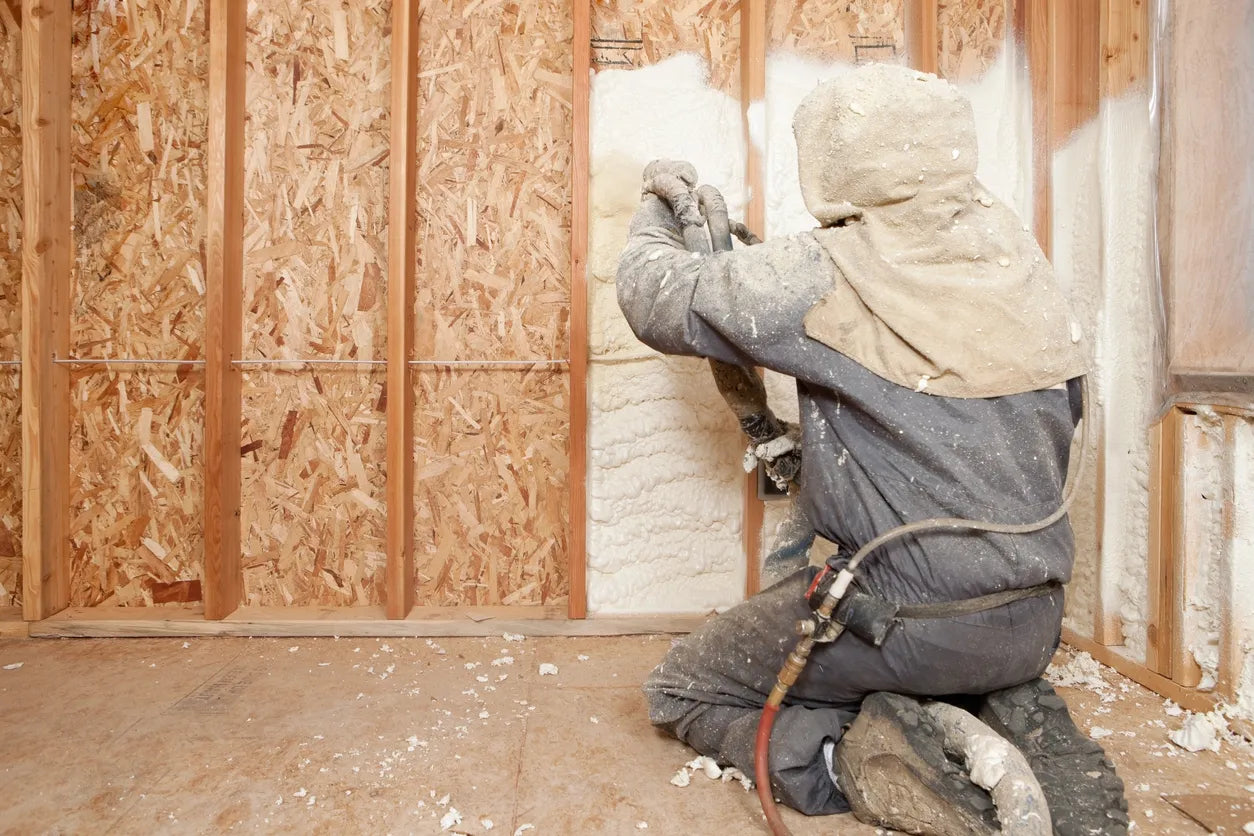
Getting spray foam insulation installed the right way is key for it to last long and work well. VB Insulation thinks it should only be done by trained professionals. They need to know how to do it and have the right tools. Bad installation can make the foam less effective, cause leaks, and wear out faster.
Professional Installation
The team at VB Insulation is skilled at installing spray foam correctly. They use special methods and tools to ensure a smooth installation. They also check the project's needs, such as the space size and the area's weather, which helps the insulation last a long time.
Maintenance Tips for Longevity
Although spray foam requires minimal maintenance, periodic checks help maintain its performance.
Recommended practices:
-
Inspect insulation annually
-
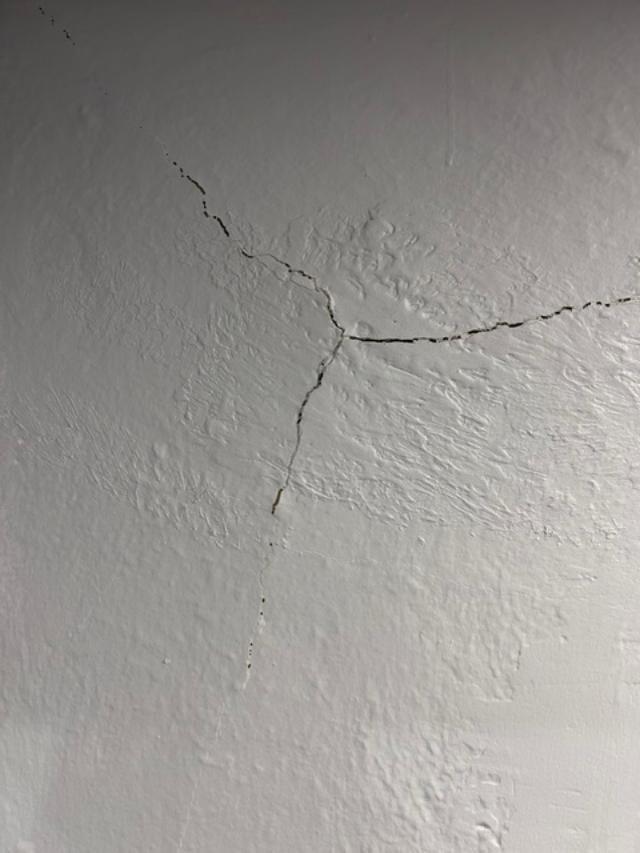
Look for cracks or damage
-
Repair any gaps promptly
-
Ensure proper ventilation in insulated areas
With proper care:
-
Open-cell foam lasts 40–60 years
-
Closed-cell foam lasts 80–100 years
Is Spray Foam Insulation a Smart Long-Term Investment?
Spray foam insulation is a highly durable and efficient solution for improving your home’s overall energy performance. When installed correctly, it can remain effective for the entire lifespan of the building, making it a reliable long-term investment for homeowners.
Its ability to lower energy costs, resist moisture, eliminate air leaks, and add structural strength makes it one of the most dependable insulation options available today. Over time, these benefits translate into improved comfort, reduced maintenance, and consistent savings.
For homeowners considering upgrading their insulation or planning a new installation, getting expert guidance can make a significant difference, and you can easily connect with VB insulation expert team to discuss the best solution tailored to your home.
FAQ
How long does spray foam insulation last?
Spray foam insulation can last the lifetime of the home, reaching up to 30 years or more with good upkeep. It's a very tough and lasting type of insulation.
What are the different types of spray foam insulation?
There are two main kinds of spray foam insulation - open-cell and closed-cell. Open cells are less dense and more flexible. Closed cells, on the other hand, are denser and have better insulation.
What factors affect the lifespan of spray foam insulation?
Several things can affect how long spray foam insulation lasts. These include the way it is installed and maintained. Environmental factors also play a big role. For it to last long, it is key to have it applied by skilled professionals.
How does spray foam insulation improve energy efficiency?
Spray foam insulation seals your home tightly, preventing air leaks. This keeps the indoor temperature steady, saving you energy and making your home more comfortable.
What are the benefits of spray foam insulation?
It has many upsides, like top-notch energy efficiency and being resistant to moisture. It seals your home well, supports the structure, and lasts a long time.
How should spray foam insulation be installed and maintained?
Only skilled and certified pros should install spray foam insulation. They have the right knowledge and tools. Always do regular maintenance checks. This helps keep your insulation working well over time.