
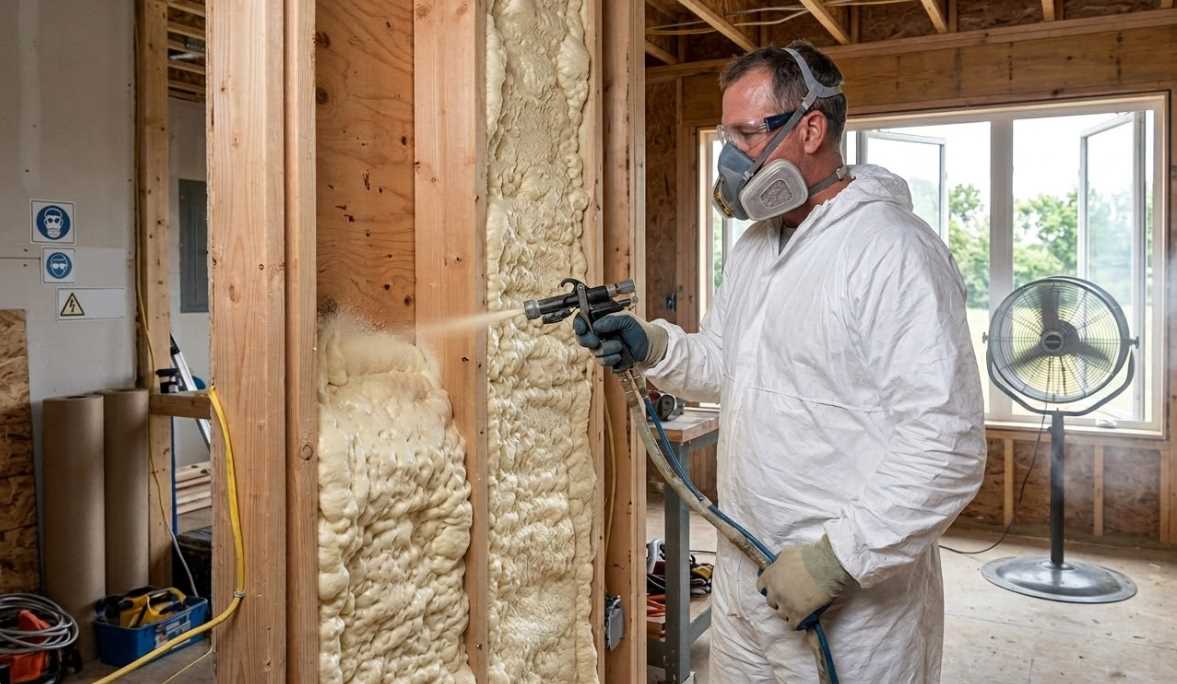
Spray foam insulation is one of the most effective ways to improve a home’s energy efficiency, comfort, and indoor air quality. Unlike traditional insulation materials, spray foam expands after application, filling cracks, gaps, and hard-to-reach spaces to create an airtight seal. This helps reduce heat loss, control moisture, and maintain stable indoor temperatures throughout the year.
Because of its high insulating performance and durability, spray foam insulation is widely used in modern home improvement projects. It can help lower energy bills, improve thermal performance, and create a more comfortable living environment.
With the right preparation and materials, DIY spray foam insulation can be a cost-effective way to upgrade your home’s insulation and overall energy efficiency.
Key Takeaways
-
Spray foam insulation improves energy efficiency by sealing air leaks.
-
Expands to fill gaps and cracks for better thermal performance.
-
Helps reduce heating and cooling costs over time.
-
Controls moisture and improves indoor air quality.
-
Available in different types for different home insulation needs.
What Is Spray Foam Insulation
Spray foam insulation is created by mixing two chemical components that react and expand into foam. Once applied, the foam expands rapidly and hardens to form a continuous insulation layer. This expanding foam fills cracks, gaps, and cavities, creating an effective barrier that improves a building’s thermal performance and reduces air leakage.
Spray foam insulation is commonly used in areas such as attics, walls, crawl spaces, basements, and roof cavities. Its primary functions include providing thermal insulation, sealing air leaks, and helping control moisture within the building structure.
Benefits of Spray Foam Insulation
Spray foam insulation offers several advantages compared to traditional insulation materials, especially when selecting the best spray foam insulation options for DIY home projects.
Key Benefits
-
High thermal performance – provides strong resistance to heat transfer
-
Air sealing capability – fills small gaps and cracks
-
Moisture control – reduces risk of mold and moisture buildup
-
Durability – maintains performance for many years
-
Energy savings – lowers heating and cooling costs over time
Types of Spray Foam Insulation
There are two primary types of spray foam used in insulation projects, and understanding the differences between open-cell and closed-cell spray foam insulation can help you choose the right option.
|
Feature |
Open-Cell Spray Foam |
Closed-Cell Spray Foam |
|
Density |
Low |
High |
|
R-Value |
Lower |
Higher |
|
Expansion |
Expands more |
Expands less |
|
Moisture resistance |
Moderate |
Strong |
|
Cost |
Lower |
Higher |
Preparing for the Insulation Project
Before starting your DIY spray foam insulation project, it helps to understand the process and tools required, especially when working on DIY spray foam insulation for existing walls or finished spaces. This will ensure your project goes well. We'll show you the important steps to prepare for your home insulation project.
Tools and Equipment
|
Category |
Items Needed |
|
Safety gear |
Gloves, goggles, respirator, protective clothing |
|
Application tools |
Spray foam kit, applicator gun |
|
Preparation tools |
Tape measure, plastic sheets, masking tape |
|
Cleanup tools |
Putty knife, cleaning solution |

Step-by-Step Guide to DIY Spray Foam Installation
Embarking on a DIY spray foam insulation project can be rewarding. Just make sure to follow the right steps for success. At VB Insulation, we'll lead you carefully through each part.
Preparing the Surface
First, prepare the surface for spray foam. Clean it well to remove dirt or dust. This helps the foam stick better. The area must be dry and free of moisture.
Mixing the Spray Foam Components
Spray foam insulation needs mixing resin and an activator. Always follow the instructions for mixing them. This is key to getting the best out of your spray foam.
Applying the Spray Foam Insulation
Now, it's time to apply the foam. Use the right techniques to ensure it covers everything evenly, especially when working with fast-rise closed-cell spray foam insulation kits designed for efficient coverage.
Safety Precautions and Best Practices
Working with spray foam insulation means safety should come first. Protect yourself and your home. VB Insulation has put together a helpful guide for your DIY project's safety.
Personal Protective Equipment
Having the right gear is crucial. Make sure you're equipped with:
-
Chemically resistant gloves to protect your hands from the spray foam components
-
Safety goggles to shield your eyes from any overspray or splashes
-
A well-fitted respirator or mask to filter out any airborne particles or fumes
-
Coveralls or protective clothing to cover your skin and prevent direct contact with the spray foam.
Ventilation and Air Quality
Good ventilation keeps the air clean and safe when using spray foam insulation. Put these steps in action:
-
Seal off the work area with plastic sheeting to contain any overspray or fumes.
-
Utilize high-powered fans or ventilation systems to circulate fresh air and remove any contaminants continuously.
-
Monitor the air quality throughout the installation process and take breaks as needed to maintain a safe working environment.
-
Carefully follow the manufacturer's instructions regarding air sealing techniques and moisture control to prevent any potential issues with the building envelope.
By following these rules, your DIY spray foam job will be safe and successful. It will also make your home more energy efficient and better overall.

Troubleshooting Common Issues
A DIY spray foam insulation project can work wonders from VB Insulation. Yet, you may encounter some hiccups. This guide helps you tackle common problems. It aims to make your project smoother.
Dealing with Overspray
Overspray often happens when you're using spray foam. It can go beyond where you initially aim it. Use good coverings for your floors and walls. Also, keep in mind how far the foam can expand.
If overspray occurs, act fast. Clean it with the products the spray foam company suggests.
Addressing Uneven Application
Getting a smooth, level application of spray foam is key. This ensures your home or building stays warm and sealed. If you spot areas that need more or less foam, don't worry. You can spray those spots again to level it out.
Follow the manufacturer's tips for a uniform application and follow their advice on spraying to get even coverage.
Cost Considerations
DIY spray foam insulation costs depend on several factors.The total project cost can vary depending on the size of the area being insulated, the type of spray foam selected, and the thickness required to meet insulation standards. Additional expenses may include safety equipment, surface preparation materials, and application tools. While the upfront material cost can be higher than some traditional insulation options, DIY installation helps eliminate labor fees and can make the project more affordable.
Main cost factors:
-
Size of insulation area
-
Type of spray foam used
-
Thickness of insulation layer
-
Required tools and safety equipment
DIY installation reduces labor costs compared to professional installation.
Conclusion
DIY spray foam insulation from VB Insulation is a great choice. It helps homeowners make their homes more energy efficient, comfortable, and perform better. By using the step-by-step guide and the needed safety precautions, you'll find it easy to do your insulation project. You can then enjoy a more energy-efficient and comfy home for years.
This guide is perfect if you want to boost your home's thermal performance, seal the air, or control moisture. It gives you the information and confidence to start a successful DIY home improvement project. By choosing eco-friendly insulation and sustainable building materials, you help make your home more energy efficient. Plus, you do your part for a greener world.
Ready to start? Begin your DIY home insulation project with VB Insulation's detailed guide. It allows you to enjoy the many benefits of making your home more energy efficient. Transform where you live into a cozy, cost-effective, and sustainable spot. Trust in DIY and begin your home improvement project, knowing you're well-prepared.
FAQ
What are the benefits of spray foam insulation?
Spray foam insulation is top-notch at sealing air, keeping out moisture, and insulating. It upgrades a home's energy efficiency, snips heating and cooling bills, and enhances comfort.
What types of spray foam insulation are available for DIY projects?
For DIY, open-cell and closed-cell types are available. They both have unique upsides. Choosing the right one depends on your needs and project.
What tools and equipment are required for a DIY spray foam insulation project?
For the DIY, you'll need a kit with spray foam, an applicator, and safety gear. Also, grab tools like a drill, putty knife, and tape measure. Don't forget your safety gear—goggles, gloves, and a mask.
How do I calculate the required R-value and insulation materials for my project?
Finding the right R-value and insulation takes into account the weather, building type, and local codes. Use an online calculator and chat with an expert. They'll guide you on the needed spray foam.
What are the key steps for properly applying spray foam insulation?
To start:
-
Prep the surface by sealing any cracks.
-
Mix the spray foam according to the instructions.
-
Spray it on using the right tools and methods.
What safety precautions should I take when working with spray foam insulation?
Staying safe is crucial with spray foam. Always wear your protective gear, ensure good airflow, and follow the manufacturer's advice on safe use.
How can I troubleshoot common issues with DIY spray foam insulation?
If you face overspray or want it to be more even, techniques like masking and adjusting the spray can help. Watch how you apply it closely.
How can I maximize the cost-effectiveness of my DIY spray foam insulation project?
For a cost-effective DIY, plan your insulation and R-values carefully. Take advantage of any rebates. Consider how it'll cut your energy bills in the long run.