How Much Does It Cost to Spray Foam a 2,000 Square Foot House?
Spray foam insulation is a popular choice for homeowners who want better energy efficiency and long-lasting performance. It creates an airtight seal that helps reduce heat loss, lower energy bills, and improve indoor comfort throughout the year. Because of these benefits, many homeowners consider it for larger homes, including those around 2,000 square feet.
The cost of spray foam insulation for a 2,000 sq ft house varies based on factors such as foam type, thickness, and labor. Understanding the price per square foot and what influences the total cost can help you plan your budget more accurately and make a well-informed decision.
What Is Spray Foam Insulation and How Does It Work?
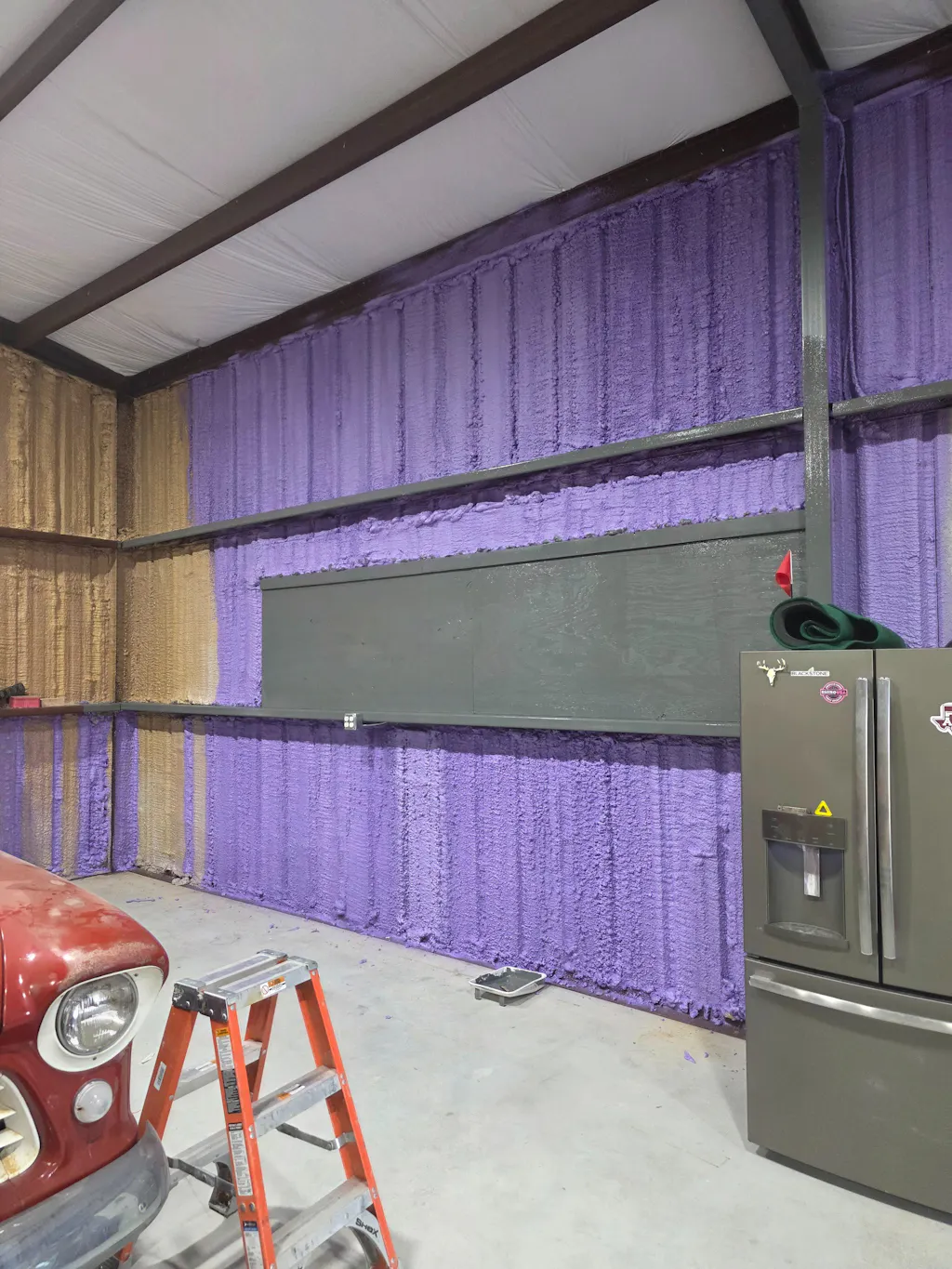
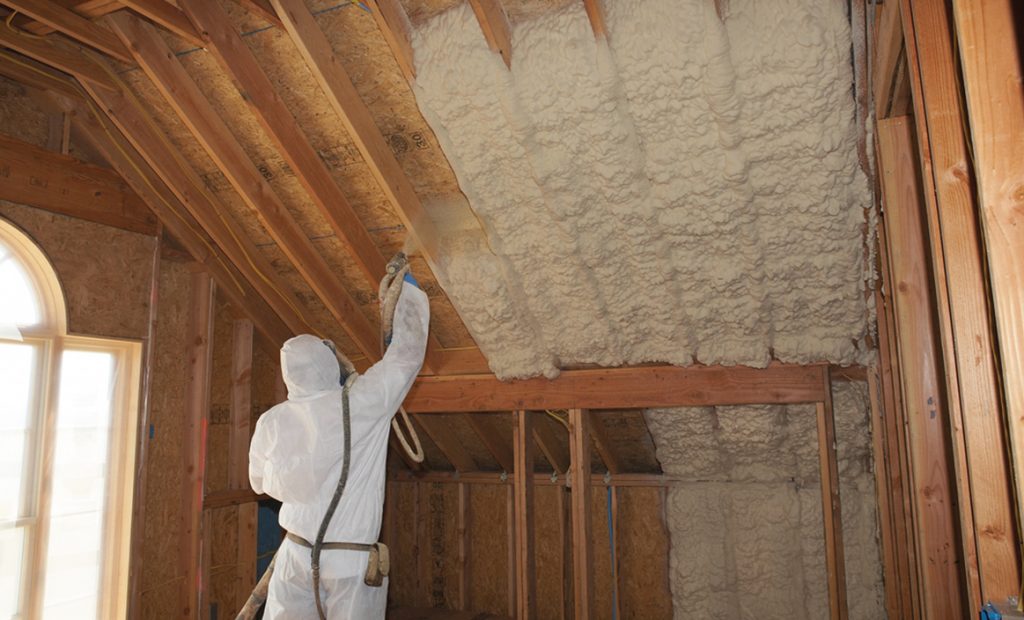
Spray foam insulation is a liquid chemical mixture that expands and hardens after application. It forms a tight seal that blocks air leaks and improves thermal performance throughout the home. This makes it more efficient than traditional insulation materials.
There are two main types of spray foam insulation. Open-cell foam is softer and flexible, making it ideal for soundproofing. Closed-cell foam is denser and offers higher insulation performance, and many homeowners compare options using this foam cost comparison before deciding.

Is Spray Foam Insulation Worth the Cost?
Spray foam insulation is more expensive than fiberglass, but it offers better long-term performance. Its ability to seal air leaks reduces heating and cooling costs significantly. Over time, these energy savings can offset the higher upfront investment.
Key Benefits of Spray Foam Insulation
-
Superior air sealing that reduces energy loss
-
High energy efficiency for lower utility bills
-
Strong moisture resistance and mold prevention
-
Noise reduction for improved comfort
-
Long lifespan with minimal maintenance

Spray Foam Insulation Cost Per Square Foot
The cost of spray foam insulation varies based on the type of foam and thickness. Open-cell foam is more affordable, while closed-cell foam costs more but provides better insulation.
Average Cost Breakdown
|
Type of Spray Foam |
Cost per Sq Ft |
Estimated Cost (2,000 sq ft) |
|
Open-Cell Foam |
$1 – $3 |
$2,000 – $6,000 |
|
Closed-Cell Foam |
$1.50 – $4 |
$3,000 – $8,000 |
For more precise pricing details, homeowners often review typical spray foam pricing to better estimate their project costs.
Key Cost Factors for Spray Foam Insulation
Several factors influence the total cost of insulating a 2,000 sq ft house. Understanding these helps in budgeting and planning.
Important Cost Factors
-
Type of foam: Open-cell is cheaper, closed-cell is more durable
-
Thickness required: Higher R-value increases cost
-
Labor costs: Vary by location and contractor expertise
-
Accessibility: Hard-to-reach areas increase labor time
-
Existing insulation removal: Adds extra cost
Labor plays a major role in pricing, and understanding typical installation labor rates can help you plan your budget more effectively.

Open-Cell vs Closed-Cell Foam: Cost and Performance
Choosing between open-cell and closed-cell foam depends on budget and performance needs. Both offer benefits, but their cost and insulation power differ.
Comparison Table
|
Factor |
Open-Cell Foam |
Closed-Cell Foam |
|
Cost per board foot |
$0.35 – $0.55 |
$0.90 – $1.50 |
|
R-value per inch |
3.6 – 3.8 |
6.0 – 7.0 |
|
Moisture resistance |
Low |
High |
|
Sound insulation |
Excellent |
Good |
Open-cell foam is budget-friendly and ideal for interior walls. Closed-cell foam provides better insulation and moisture protection, making it suitable for basements and exterior walls.
Spray Foam vs Fiberglass Insulation
Spray foam and fiberglass insulation serve similar purposes but differ in cost and performance. Spray foam offers better sealing and energy efficiency, while fiberglass is more budget-friendly.
A detailed comparison of insulation cost differences helps homeowners understand which option fits their needs.
Key Differences
-
Spray foam provides better air sealing and higher R-value
-
Fiberglass is cheaper and easier for DIY installation
-
Spray foam lasts longer and does not sag over time
-
Fiberglass may lose effectiveness due to settling
Quick Comparison Table
|
Feature |
Spray Foam (Open-Cell) |
Spray Foam (Closed-Cell) |
Fiberglass |
|
Initial Cost |
Higher |
Highest |
Lowest |
|
Installation |
Professional |
Professional |
DIY-friendly |
|
R-Value per Inch |
3.5 – 3.8 |
6 – 7 |
2.9 – 3.8 |
|
Lifespan |
80–100 years |
80–100 years |
15–20 years |
Labor Costs and Installation Considerations
Labor costs play a major role in the total price. Professional installation ensures proper application and long-term performance. However, labor rates vary depending on location and project complexity.
What Affects Labor Costs
-
Size of the home
-
Difficulty of access
-
Contractor experience
-
Local market rates
Improper installation can lead to gaps and reduced efficiency. That is why hiring experienced professionals is recommended for large projects.
DIY Spray Foam vs Professional Installation
Homeowners can choose between DIY kits or professional installation. Each option has different costs and considerations.
DIY kits are suitable for small areas and partial insulation. Many homeowners use spray foam kits for targeted applications where full professional installation is not required.
DIY Spray Foam Costs
-
$1 – $2 per square foot
-
Small kits: $300 – $600
-
Whole-house kits: $1,500 – $2,000
DIY installation can save money, but it requires skill and proper safety measures. Mistakes can reduce insulation performance and cause moisture issues.
Professional Installation Benefits
-
Proper coverage and sealing
-
Compliance with building codes
-
Faster and more reliable results
Spray Foam Insulation Cost by Area
Costs vary depending on the area being insulated. Different parts of the home require different levels of work and materials.
Cost by Area Table
|
Area |
Cost per Sq Ft |
Estimated Cost (1,000 sq ft) |
|
Attic |
$1.50 – $3.50 |
$1,500 – $3,500 |
|
Walls |
$2 – $4 |
$2,000 – $4,000 |
|
Basement |
$2.50 – $5 |
$2,500 – $5,000 |
For a broader estimate, reviewing overall home insulation pricing can provide additional context.
Long-Term Savings and ROI of Spray Foam Insulation
Spray foam insulation offers long-term financial benefits. While the upfront cost is higher, the savings over time make it a valuable investment.
Key Long-Term Benefits
-
Energy savings: Reduce bills by 15% to 50% annually
-
Increased home value: Boost resale value by 5% to 10%
-
Lower maintenance costs: Prevent moisture and mold issues
These benefits help offset the initial installation cost over time.

Tips to Reduce Spray Foam Insulation Costs
Reducing insulation costs is possible with smart planning. Homeowners can take advantage of discounts and strategic timing.
Cost-Saving Strategies
-
Schedule installation during off-peak seasons
-
Bundle insulation with other home improvements
-
Look for rebates and tax incentives
-
Compare quotes from multiple contractors
Applying proven cost reduction methods can help lower overall expenses.
Key Takeaways
-
Spray foam insulation costs between $2,000 and $8,000 for a 2,000 sq ft home
-
Open-cell foam is cheaper, while closed-cell offers better performance
-
Labor, thickness, and accessibility impact total cost
-
Spray foam provides long-term energy savings and durability
-
Professional installation is recommended for best results
Final Thoughts on Spray Foam Insulation Costs for a 2,000 Sq Ft House
Spray foam insulation is a high-performance option for homeowners looking to improve energy efficiency and long-term comfort. For a 2,000 square foot house, costs typically range from moderate to high depending on foam type, labor, and project complexity. While the upfront investment is higher than traditional insulation, the long-term benefits often make it worthwhile.
Choosing between open-cell and closed-cell foam depends on your budget, insulation goals, and the specific needs of your home. Open-cell offers a more cost-effective solution, while closed-cell provides higher insulation value and better moisture protection. Taking the time to evaluate these options helps ensure better results.
If you are planning your insulation project and want accurate pricing or product guidance, you can connect with VB's insulation expert team to get tailored recommendations based on your home and requirements.
FAQs on Spray Foam Insulation Costs
How much does spray foam cost per square foot?
Spray foam insulation costs between $1 and $4 per square foot depending on the type and thickness.
-
Open-cell: $1 – $3 per sq ft
-
Closed-cell: $1.50 – $4 per sq ft
How do you calculate spray foam insulation cost?
Multiply the total square footage by the cost per square foot to estimate the total price.
-
Step 1: Measure area (e.g., 2,000 sq ft)
-
Step 2: Choose foam type
-
Step 3: Multiply by price range
Is spray foam insulation worth the cost?
Yes, spray foam insulation is worth the cost because it reduces energy bills and improves home comfort.
-
Saves 15–50% on energy costs
-
Provides better air sealing
-
Lasts longer than traditional insulation
What are the disadvantages of spray foam insulation?
Spray foam insulation has some downsides, mainly higher upfront cost and installation complexity.
-
More expensive than fiberglass
-
Requires professional installation
-
Chemical fumes during application
Is DIY spray foam insulation cheaper?
Yes, DIY spray foam is cheaper upfront, but it carries risks if not applied correctly.
-
Lower labor cost
-
Requires safety gear and skill
-
Mistakes can reduce efficiency