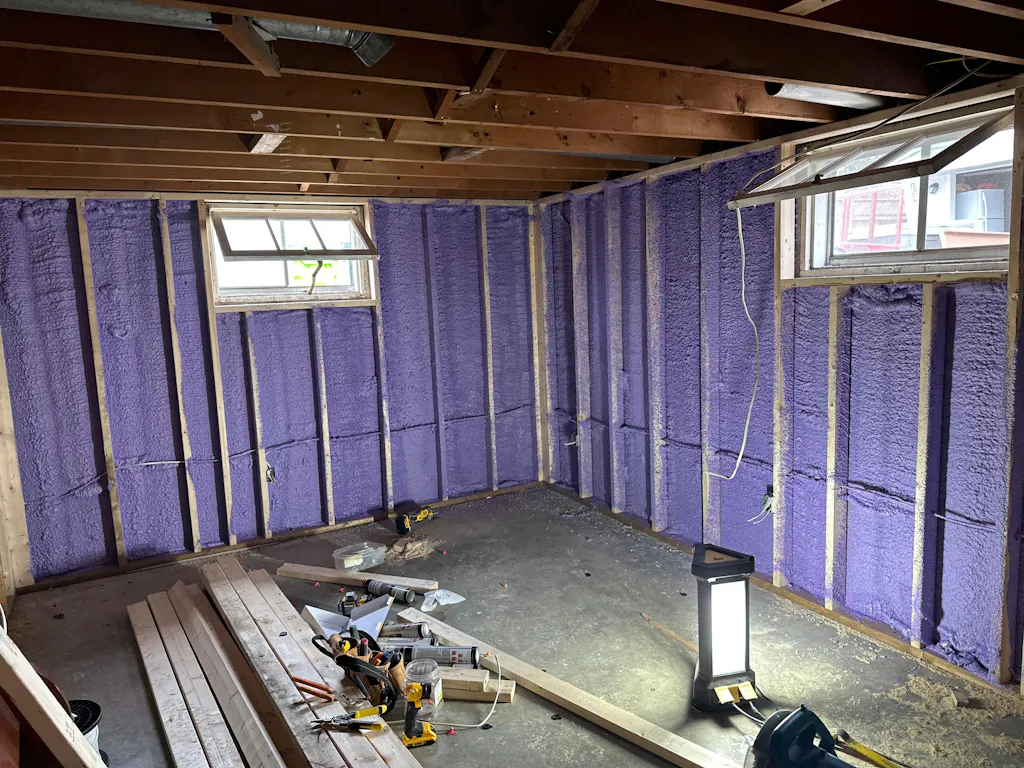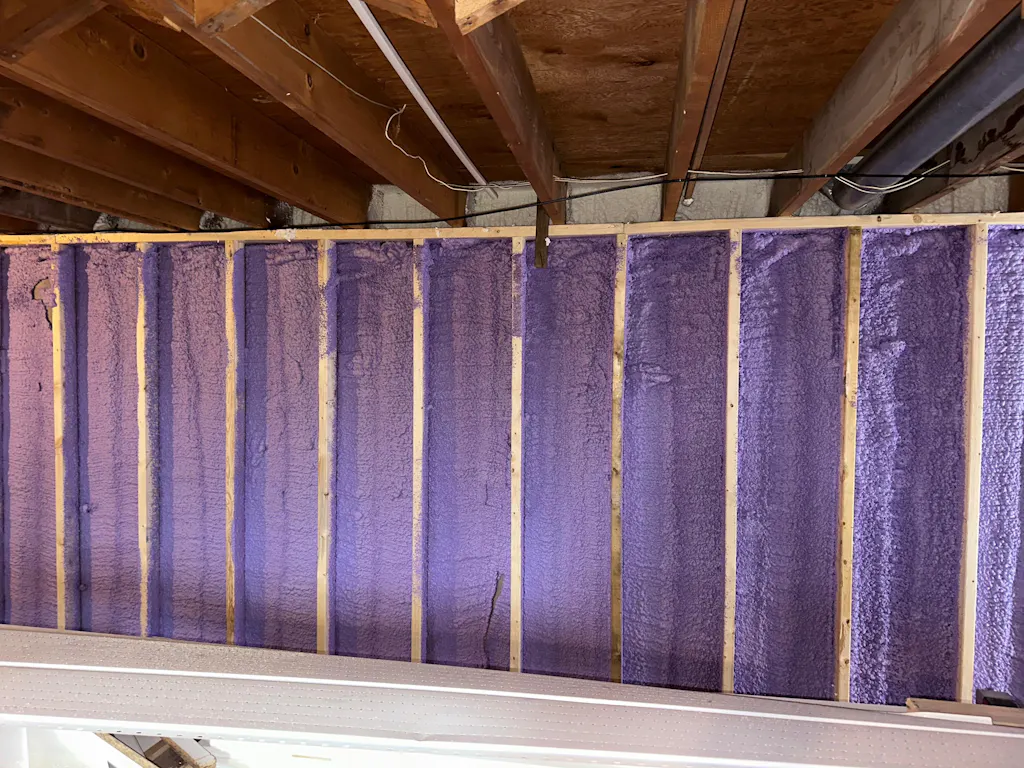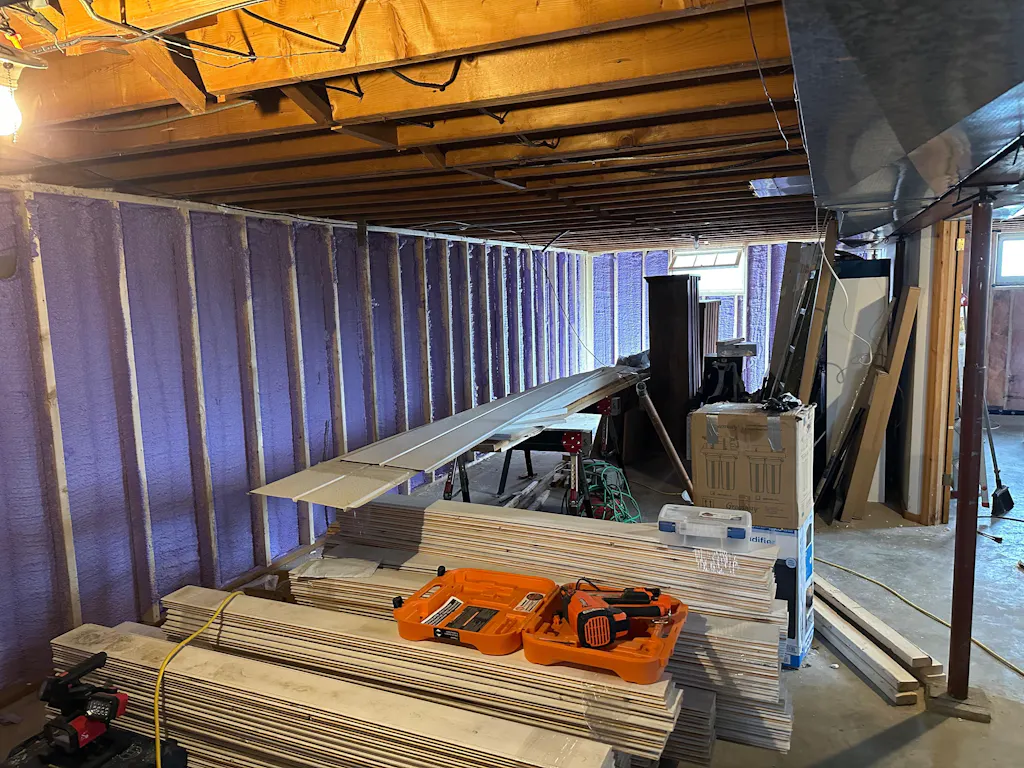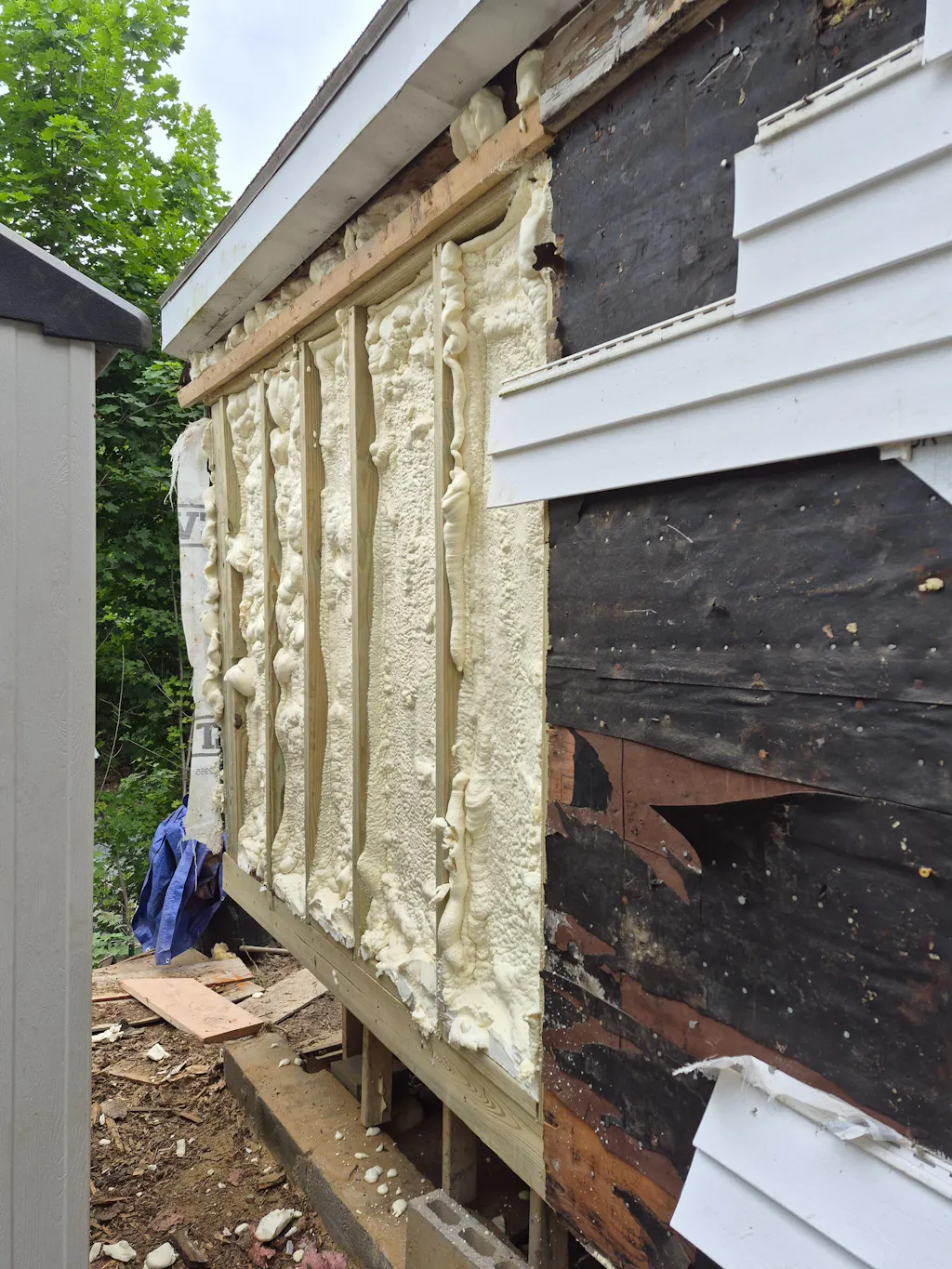
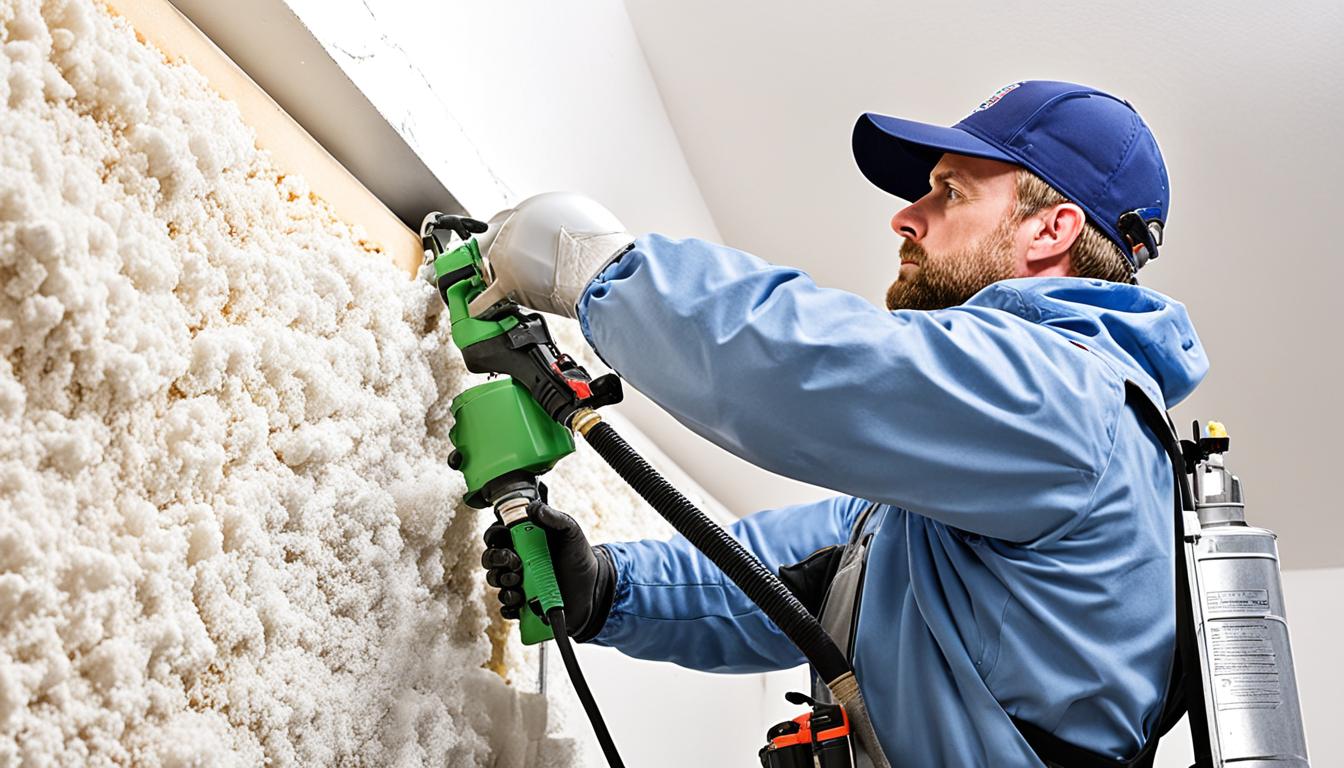
Closed-cell spray foam insulation is a modern solution for creating an energy-efficient and durable home. It expands to fill gaps, forming a tight air seal that reduces heat loss and improves indoor comfort. This makes it an effective option for maintaining stable temperatures throughout the year.
In addition to thermal performance, it helps control moisture and strengthens structural surfaces. Homeowners benefit from lower energy bills, fewer drafts, and better indoor air quality. Whether upgrading an existing space or insulating a new build, this insulation method offers long-term value and reliable performance.
Key Takeaways:
-
Experience energy efficiency with closed cell spray foam insulation
-
Enhance the durability of your home with VB Insulation's high-quality closed cell foam
-
Enjoy improved indoor comfort and reduced energy bills
-
Protect your space from moisture and extreme weather conditions
-
Invest in a cost-effective insulation solution for long-term savings

Why Homeowners Prefer Closed-Cell Spray Foam
Closed-cell spray foam insulation is widely used because of its performance and durability. It expands after application and fills small gaps, cracks, and cavities, creating a tight barrier that traditional insulation often cannot achieve.
Its dense structure and chemical composition contribute to strong thermal resistance and moisture control. Understanding the foam material structure helps explain why it performs better than many alternatives.
Core Benefits
-
High thermal resistance (R-value) for better insulation
-
Air sealing properties that reduce drafts
-
Moisture resistance to prevent water damage
-
Improved indoor air quality by blocking pollutants

Closed Cell vs Traditional Insulation
Closed-cell spray foam stands out when compared to common insulation materials. It offers better sealing, durability, and moisture protection.
|
Feature |
Closed-Cell Spray Foam |
Fiberglass / Traditional |
|
Air Sealing |
Excellent |
Poor |
|
Moisture Resistance |
High |
Low |
|
R-Value |
High |
Moderate |
|
Durability |
Long-lasting |
Less durable |
|
Energy Efficiency |
Superior |
Average |
How It Improves Energy Efficiency and Comfort
One of the main advantages of spray foam insulation is energy savings. Sealing air leaks, it reduces the workload on heating and cooling systems. This leads to lower electricity consumption and more stable indoor temperatures.
It also eliminates cold spots and uneven airflow inside the home. Rooms feel more consistent, making daily living more comfortable. Compared to other insulation types, the foam performance comparison highlights its superior sealing and durability. This makes it a preferred choice for consistent comfort in different climates.
Protection Against Moisture and Weather Damage
Closed-cell spray foam acts as a moisture barrier. It prevents water vapor from entering walls and ceilings. This reduces the risk of mold growth and structural damage over time.
Its durability also allows it to withstand harsh weather conditions. Many homeowners rely on advanced solutions like the high-density foam system for better protection in extreme environments.
Step-by-Step Guide to Installing Spray Foam Insulation
Installing closed-cell spray foam can be simple when you follow the right process. Most insulation kits are designed for DIY use, making them suitable for both beginners and experienced users. Proper preparation and careful application ensure the best results and long-term performance.
1. Prepare the Surface Properly
Before applying the foam, make sure the area is ready. A clean surface helps the insulation bond effectively and last longer.
-
Remove dust, dirt, and loose debris
-
Ensure the surface is completely dry
-
Clear any obstacles or obstructions
-
Apply a primer if needed for better adhesion
2. Mix and Apply the Foam Evenly
Correct mixing is essential for proper expansion and insulation performance. Always follow the product instructions closely.
-
Mix the components as directed in the kit
-
Use the spray system for controlled application
-
Apply foam in steady, even layers
-
Fill all gaps, cracks, and cavities thoroughly
3. Finish and Seal for Best Results
After application, allow the foam to fully expand and cure. This step ensures durability and maximum insulation efficiency.
-
Let the foam cure as instructed
-
Trim excess foam for a smooth finish
-
Seal any remaining gaps or air leaks
Following these steps helps create an airtight barrier, improving energy efficiency and indoor comfort.

Cost Comparison and Value Breakdown
Evaluating insulation cost helps homeowners make informed decisions. While closed-cell spray foam has a higher upfront cost, its long-term value is significantly greater.
|
Factor |
Closed-Cell Spray Foam |
Other Insulation Options |
|
Initial Cost |
Higher |
Lower |
|
Energy Savings |
Significant |
Moderate |
|
Maintenance |
Minimal |
Requires upkeep |
|
Lifespan |
Long-term |
Shorter lifespan |
|
ROI |
High over time |
Limited |
Cost vs Long-Term Value
Closed-cell spray foam insulation requires a higher upfront investment. However, it delivers strong long-term savings through improved energy efficiency and reduced maintenance.
Understanding the spray foam pricing factors helps homeowners evaluate its true value. It also protects against moisture damage, reducing repair costs over time
Financial Benefits
-
Lower monthly energy bills
-
Reduced strain on HVAC systems
-
Long-lasting insulation performance
-
Increased property value and resale appeal
Where It Works Best in Your Home
Closed-cell spray foam can be applied in different areas for maximum efficiency. Its versatility makes it suitable for both new construction and renovation projects.
For accurate planning, reviewing the cost per square foot helps estimate project expenses based on coverage area.
Common Application Areas
-
Walls and ceilings
-
Attics and roofing systems
-
Basements and crawl spaces
Making the Right Insulation Choice
Closed-cell spray foam insulation is a reliable solution for improving home efficiency and comfort. It reduces heat loss, seals air leaks, and protects against moisture damage, making it ideal for long-term performance. These advantages help create a more stable indoor environment while lowering energy consumption.
Although the initial cost is higher than traditional insulation, the long-term benefits are substantial. Homeowners can expect lower utility bills, fewer repairs, and increased durability over time. For those considering an upgrade, discussing your needs with the VB insulation expert team can help ensure the right solution for your space.
FAQs
What is closed-cell spray foam insulation?
Closed-cell spray foam insulation is a liquid material that expands into a dense foam, creating an airtight and moisture-resistant seal. It is commonly used to improve energy efficiency and indoor comfort.
-
Expands to fill gaps and cracks
-
Provides high thermal resistance (R-value)
-
Acts as an air and moisture barrier
Is closed-cell spray foam better than traditional insulation?
Yes, it performs better than many traditional insulation types in terms of sealing and durability. It offers higher efficiency and longer lifespan.
-
Better air sealing than fiberglass
-
مقاists moisture and mold growth
-
Adds structural strength to surfaces
Can I install spray foam insulation myself?
Yes, many kits are designed for DIY installation with clear instructions. Proper preparation and safety measures are important.
-
Clean and dry the surface before applying
-
Follow mixing and spraying instructions carefully
-
Use protective gear during application
Does spray foam insulation save money over time?
Yes, it reduces energy usage, which lowers utility bills in the long run. The savings increase over time.
-
Cuts heating and cooling costs
-
Reduces HVAC system workload
-
Minimizes maintenance expenses
Where can closed-cell spray foam be used?
It can be used in multiple areas of a home for effective insulation and sealing. It works well in both new and existing structures.
-
Walls and ceilings
-
Roofs and attics
-
Basements and crawl spaces